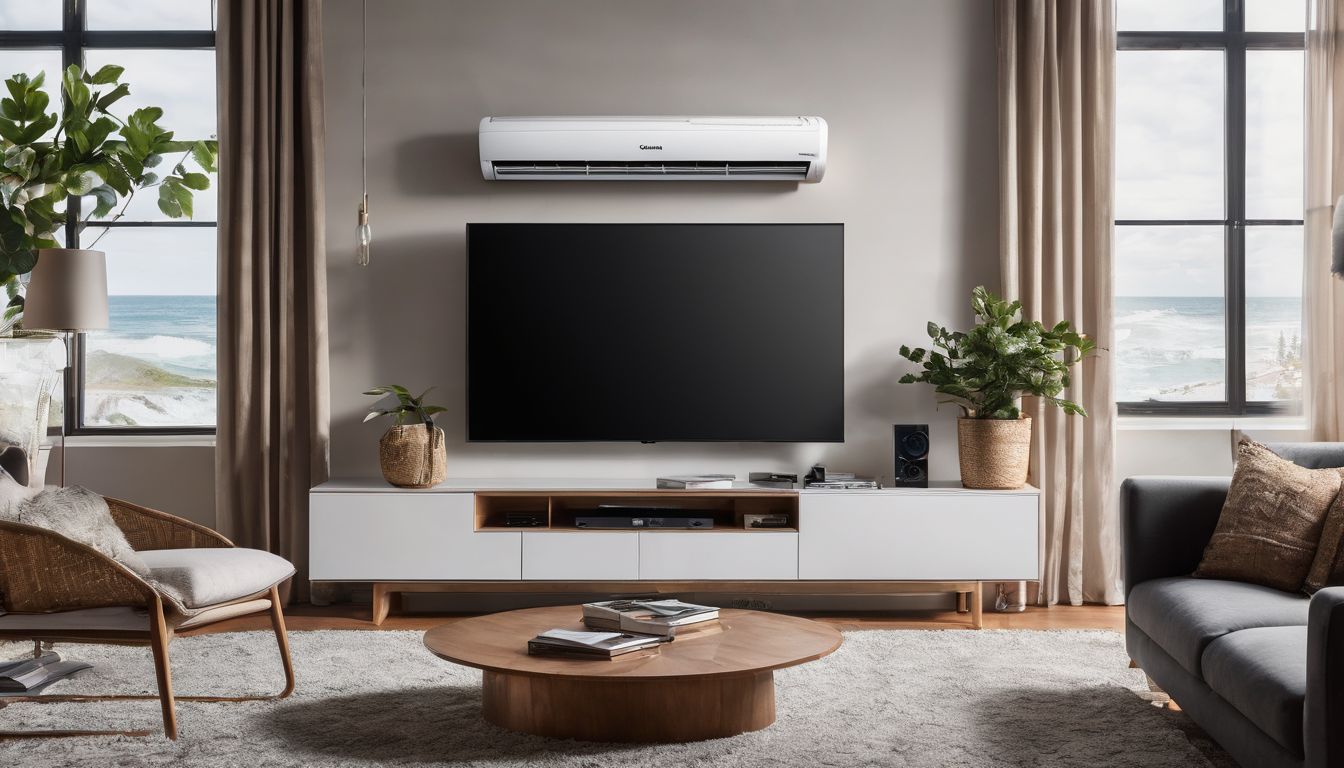
As the summer heat intensifies, finding the right air conditioning solution becomes a top priority for many households. Did you know that modern air conditioning has been keeping us cool since its invention in the early 20th century? This article lays out an easy-to-follow guide to help you navigate through various AC options and find your perfect cooling companion.
Discover a cooler indoor world with our expert tips – keep reading!
Understanding Cooling Systems
Cooling systems play a key role in ensuring our homes and workplaces remain comfortable during hot weather. They work tirelessly to transfer heat from indoor air to the outside, leaving our environments comfortably cool.
A variety of cooling systems are available on the market, each designed for specific situations and preferences. From central air conditioning that cools an entire house to portable units ideal for single rooms, there’s a solution for every space.
The choice of a cooling system affects not only comfort but also energy consumption and costs. Many modern systems come with advanced features like programmable thermostats and high Seasonal Energy Efficiency Ratios (SEER), which can lead to considerable savings over time.
Homeowners should understand how different systems operate to make informed decisions about installation, maintenance, and upgrades that best suit their needs for efficient climate control.
Common Types of Cooling Systems
Exploring the variety of cooling systems available is crucial for finding the perfect match to keep your space comfortable. Delve into the diverse options, from robust central units to sleek ductless models, each designed to cater to specific needs and living spaces.
Central Air Conditioning
Central air conditioning stands out as a popular choice for homeowners seeking whole-house cooling. This system uses supply and return ducts to circulate cool air throughout the home, ensuring each room stays at a comfortable temperature.
The heart of this operation is often a large compressor unit placed outside, which plays a crucial role in the cooling process.
Choosing central air conditioners can be an excellent decision if you desire consistent and even temperature control across your entire living space. Split-system and package are the two main types of central air conditioning systems available, both designed to integrate seamlessly with existing heating systems if necessary.
These powerful units not only promise efficient cooling but also contribute significantly to enhancing indoor air quality by filtering out dust and other particles before the cool breeze reaches your living areas.
Ductless Systems
Ductless systems, also known as mini-split systems, are gaining popularity due to their versatility and ease of installation. They consist of an outdoor compressor unit that connects to one or more indoor units via small pipes.
These indoor units can be mounted on walls and are designed to cool specific zones within a home or building. This setup eliminates the need for extensive ductwork, making it ideal for older buildings where installing ducts would be impractical or too expensive.
Homeowners prefer these systems because they allow for individual room control, leading to more efficient energy use and reduced utility bills. With ductless air conditioners, you can target areas that need cooling without wasting energy on unoccupied spaces.
Plus, their compact size means they don’t take up much space indoors, allowing for a discreet fit into your room’s decor. Ductless HVAC systems provide both heating and cooling solutions with minimal disruption during installation—a clear advantage over traditional central air conditioning options.
Evaporator Systems
Evaporator systems offer a unique alternative to traditional air conditioning units by harnessing the natural process of water evaporation. These systems, often known as swamp coolers or evaporative coolers, provide cooling by passing hot outside air through water-saturated pads.
As the air moves through these pads, the water evaporates and absorbs heat from the air, lowering its temperature.
In homes located in dry climates, evaporator systems are particularly effective not just at cooling but also at adding much-needed humidity to the indoor environment. They operate on simpler mechanics compared to standard HVAC units and typically consume less energy, making them a more energy-efficient option for specific regions.
The central component of these systems is their evaporator coil — this key piece allows the refrigerant to absorb heat effectively during its transition from liquid to gas within an AC system’s circuitry.
Portable Units
Portable air conditioners offer a flexible cooling solution for spaces where traditional HVAC systems might not be an option. They operate by drawing in warm room air, chilling it with an internal motor, and then sending the cool air back into the environment.
This makes them extremely handy for renters or those living in buildings that restrict installations of permanent fixtures.
Users can choose between single-hose and dual-hose models depending on their needs. Single hose units are more common and cost-effective but tend to be less efficient than their dual counterparts which use two hoses—one to pull fresh air in from outside and another to expel the hot air out.
Despite being less powerful compared to other ACs like central or split-system air conditioners, portable units are valued for their convenience and ease of movement from one room to another, ensuring cool air wherever it’s needed without complex installation processes.
Deep Dive into Air Conditioner Components
To truly grasp how air conditioning systems maintain a cool and comfortable environment, we must explore the intricacies of their components. Delving into this aspect reveals the complex interplay between various parts that efficiently manage temperature and air quality.
The Refrigerant
The refrigerant is crucial in your air conditioning unit, acting as the system’s lifeblood. It possesses a unique ability to swiftly change from liquid to gas and back again, enabling it to absorb heat from your home and release it outdoors.
This transition keeps your indoor spaces comfortably cool by cycling through the AC system’s components. Modern cooling systems often use hydrofluorocarbons (HFCs) as refrigerants; these compounds are effective but can contribute significantly to global warming if they escape into the atmosphere.
Proper handling of the refrigerant ensures both efficient operation and minimises environmental risks. Leaks not only impair performance but also pose serious concerns for planetary health due to their potential as greenhouse gases.
Ensuring that qualified professionals manage any leaks or maintenance related to HVAC systems is essential for sustaining efficiency while reducing ecological impact. Regular checks on split-system central air conditioners can prevent losses of this vital substance, maintaining comfort in homes and offices without compromising our planet’s well-being.
The Compressor
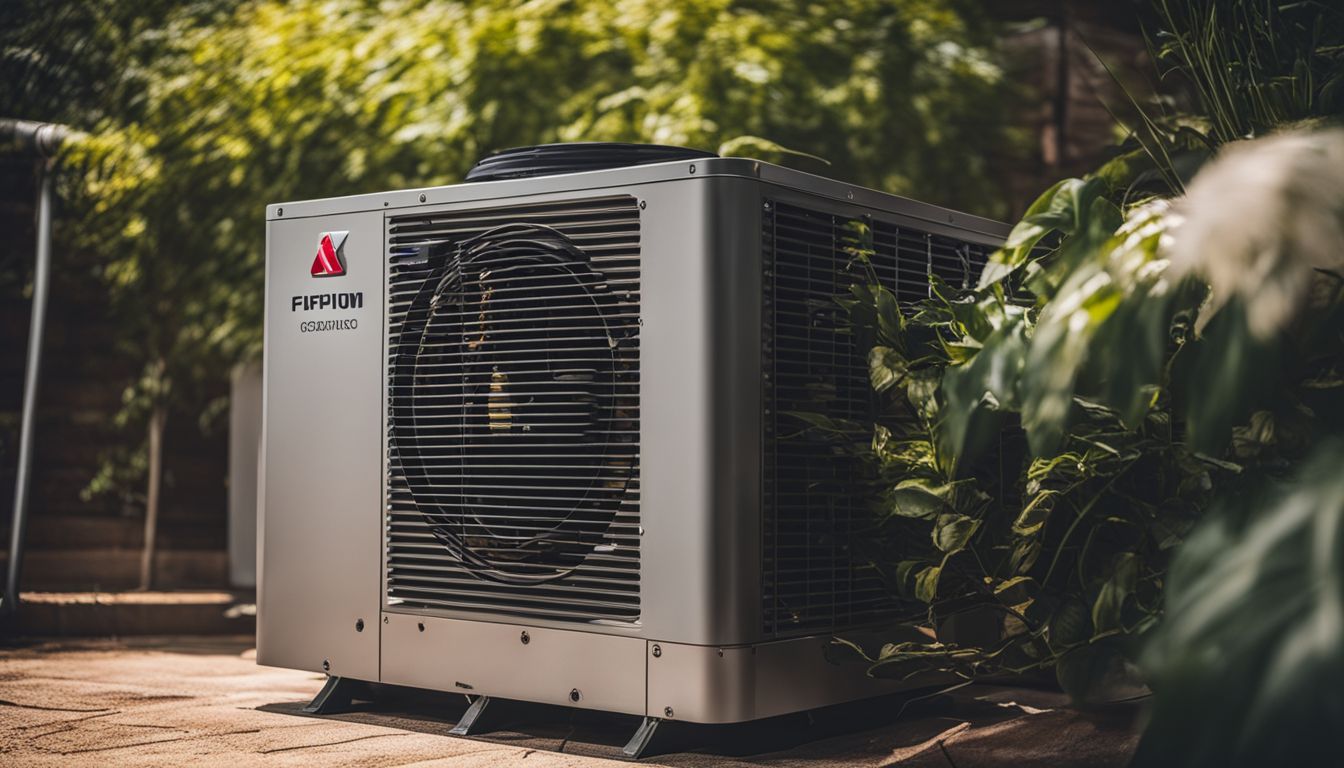
At the heart of your air conditioner is the compressor, a vital component that pumps life into the cooling cycle. It takes refrigerant vapour from the evaporator and squeezes it tightly together, increasing its pressure and temperature dramatically to transform it into a hot gas.
This process sets the stage for effective heat release outdoors.
Employing advanced technology like two-stage modulation, some compressors adjust their output to match cooling demands more precisely – this makes them crucial in energy-efficient HVAC systems looking to achieve high SEER ratings.
With robust performance at its core, a compressor ensures you can enjoy consistent comfort even as outdoor temperatures soar.
The Condenser Coil
The condenser coil plays a crucial role in your air conditioner’s ability to cool your home. Located in the outdoor unit, this coil has the job of releasing heat from the refrigerant gas, turning it back into a liquid.
This transfer of heat is what keeps your indoor spaces cool and comfortable on hot days.
Keeping the condenser coil clean ensures that your AC system operates at peak efficiency. Dirt and debris can insulate the coil, hindering its capacity to dissipate heat effectively.
Regular maintenance prevents these obstructions, helping you avoid higher energy bills and prolonging the life of your air conditioning unit. For sustainable cooling performance, give attention to this often-overlooked component.
The Evaporator Coil
The evaporator coil is pivotal for your air conditioner to deliver cold air into your home. This component sits inside the air handler and captures heat from indoor air, playing a central role in home comfort.
Manufactured typically from copper, steel or aluminium because these metals conduct heat well, the coil’s design allows the refrigerant to flow through it and absorb heat efficiently.
Proper maintenance of the evaporator coil is crucial; without regular cleaning, coils can accumulate dirt and dust, leading to reduced efficiency or even breakdowns. Homeowners should particularly watch out for leaks which can be trickier to fix than other issues with cooling systems.
A clean and leak-free evaporator ensures that your AC system runs smoothly, fending off common problems that could otherwise disrupt its performance. Regular checks by HVAC professionals help prolong the lifespan of this integral part of your cooling system while ensuring energy-efficient operation year-round.
The Expansion Valve
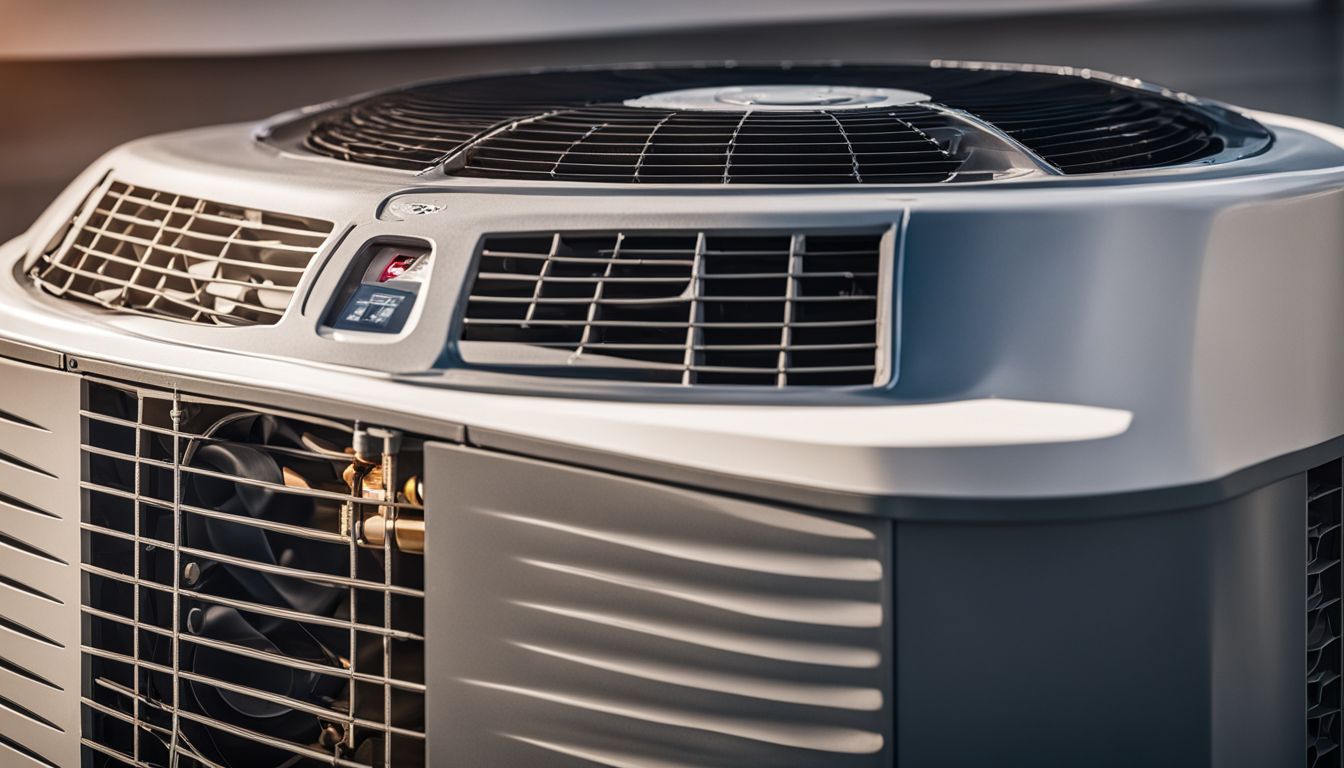
The expansion valve plays a vital role in the seamless operation of your home’s air conditioner. It acts like a traffic cop, directing the flow of refrigerant and ensuring it moves at the right rate.
Precision is key here; this component adjusts how much refrigerant enters the evaporator coil, contributing to efficient cooling performance.
Your AC system relies on this small but mighty part to manage pressure differences within its circuit. The expansion valve steps into action by transforming high-pressure liquid refrigerant into a cooler, low-pressure gas as it hits the evaporator coil—this change is what chills your indoor air effectively.
Thanks to its ability to regulate with such accuracy, it also helps you save on energy costs by preventing waste and excess consumption of power in your HVAC system.
The Air Filter
Keeping the air inside your home clean and breathable, air filters play a pivotal role in your cooling system. They trap dust, pollen, and other small particles that could otherwise circulate throughout your living spaces.
It’s essential to choose high-quality Trane filters tailored to fit your specific unit for optimal health and cleanliness.
Regularly replacing or cleaning your AC’s filter ensures efficient operation and prevents strain on the system. A blocked or dirty filter can cause significant performance issues, potentially leading to higher energy bills and a shorter lifespan for the machine.
Effective filtration also contributes positively to indoor air quality by reducing pollutants in the air you breathe daily.
How Air Conditioners Work in Simple Terms
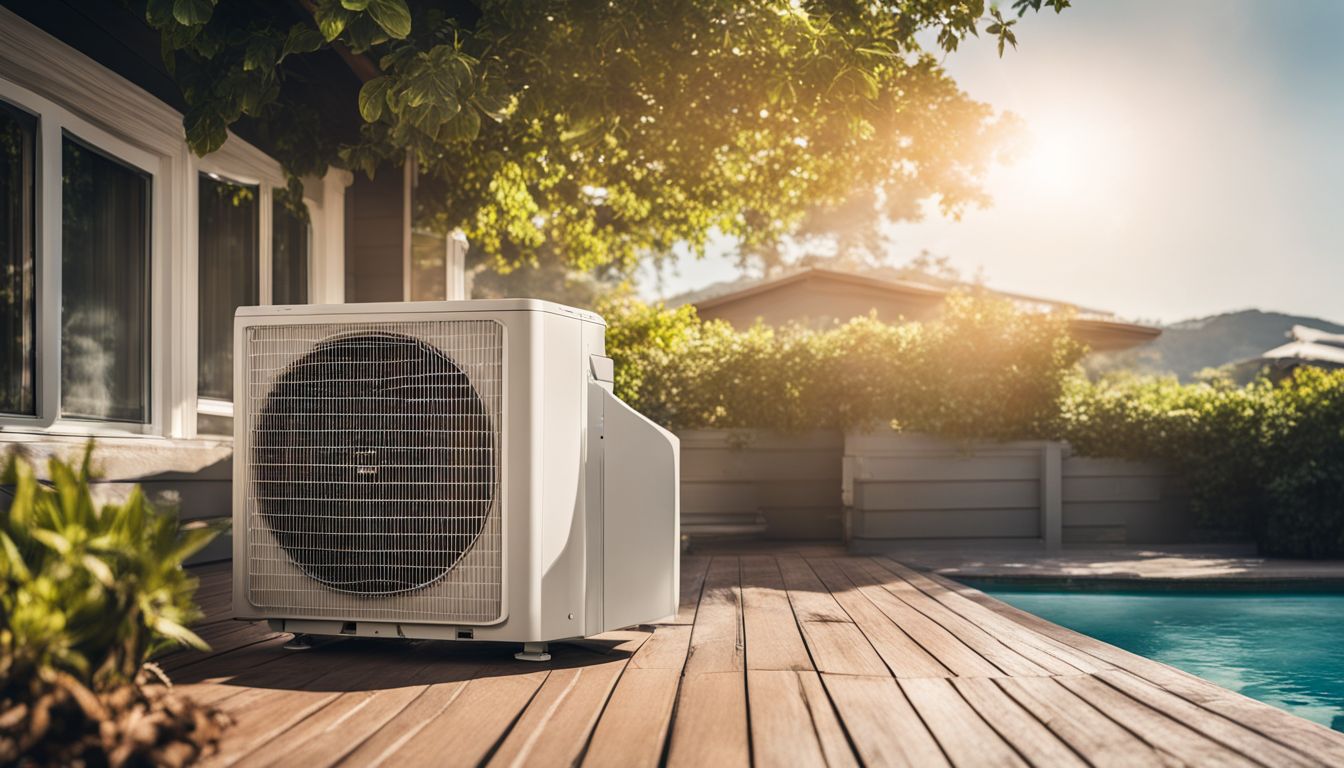
Air conditioners keep your home cool by pulling hot air from inside the room and swapping it with cooler air. The magic happens through a special fluid called refrigerant, which absorbs heat as it moves through the AC system’s serpentine coils.
This fluid makes several trips: first drawing warmth from indoor air over the evaporator coil, then ejecting that heat outside through the condenser coil.
Inside, fans play a crucial role by blowing warm household air over the chilled evaporator coils. Here, heat leaves the air and gets trapped in the refrigerant. As this now-cool air circulates back into your living spaces, you feel less of that sticky summer discomfort.
Outside at the condenser coils, another fan blasts away heat released by refrigerant into the open air, keeping everything inside balanced and refreshing.
Split-system units split these processes between two main parts: one indoors for cooling and an outdoor counterpart for releasing unwanted warmth. Meanwhile, portable units house all components in one place – they draw the room’s warm atmosphere in, and cool it down internally before sending it back out to lower temperatures without any complex installation processes or ductwork hassles involved!
Factors to Consider When Choosing an AC System
Selecting the right AC system involves a careful assessment of your specific needs, from cooling capacity to energy efficiency and maintenance commitments; ensure you make an informed choice by delving deeper into these critical considerations.
Capacity
Choosing the right capacity for your air conditioning system is critical to its efficiency and effectiveness. An appropriately sized unit will cool a room without wasting energy, keeping running costs lower and reducing environmental impact.
Think about the space you need to cool; large rooms or areas with high ceilings may require an AC with more British Thermal Units (BTUs). This ensures that the cooling power meets the demands of larger volumes of air.
It’s essential not to go overboard though—the highest BTU rating might seem like a good idea, but it can lead to higher electricity bills if used in a smaller space than necessary.
A unit that’s too powerful for the area will cycle on and off too frequently, which can wear out components faster and fail at providing consistent temperatures. Matching your room size with the correct BTU level is key for creating a comfortable environment whilst being energy efficient.
Look into split system air conditioners or high-SEER units that offer better control over different zones in your home, enabling greater customisation according to each area’s needs.
Energy Efficiency
Energy efficiency in air conditioning systems is paramount for both environmental and economic reasons. Look for units with a high SEER rating to ensure seasonal energy savings. These systems require less power to cool your home, reducing both your carbon footprint and electricity bills.
The ENERGY STAR® label signals that an appliance meets or exceeds guidelines set by the U.S. Energy Information Administration for energy consumption.
To maximise energy efficiency, consider factors such as insulation quality and the presence of ceiling fans which can enhance the effectiveness of your AC system. A well-insulated room retains cool air better, meaning your unit works less to maintain temperature.
Ceiling fans help circulate air, allowing you to set the thermostat on a higher setting while still feeling cool, further conserving energy. Always select an AC unit sized appropriately for the space it’s intended to serve; too large or too small can lead to excess energy use and compromised comfort levels.
Air Quality
Choosing the right air conditioning system affects more than just temperature; it plays a crucial role in maintaining indoor air quality. Regular maintenance, including duct cleaning and replacing air filters, ensures that your cooling system effectively removes contaminants like dust, pollen, and other allergens from your home environment.
This not only creates a more comfortable living space but also safeguards your health.
Selecting HVAC systems with advanced filtration features can further enhance indoor air purity. High-quality units often come equipped with humidification and dehumidification capabilities to tackle humidity levels that contribute to mould growth.
These systems control moisture effectively, preventing mildewy scents and making sure the circulated air is clean and fresh for you to breathe.
Electrical Installations
Before installing a new air conditioning system, it’s crucial to consider the electrical installations that will be needed. Your home’s existing electrical infrastructure must have the capacity to handle the energy demands of your chosen AC unit.
Most modern air conditioners require a dedicated circuit and often need a 220-240 volt outlet, especially for larger, central systems. Professional HVAC technicians can assess your electrical service panel to ensure that it has sufficient amperage available for safe and efficient operation.
Homes with older wiring may require an upgrade before fitting high-capacity cooling systems like split system air conditioners or heat pumps. Such upgrades are important not just for performance but also for safety, as overloading old circuits could pose a fire risk.
Installation costs will vary depending on whether additional work is necessary to bring your electrical installations up to par with your cooling requirements. Always consult certified electricians who understand the specific needs of heating and cooling systems when planning installation or upgrades—this ensures you meet all necessary building codes and safety standards.
Maintenance Requirements
Keeping your air conditioner in top condition requires regular check-ups and cleaning. This routine upkeep prevents performance decline and ensures your unit doesn’t consume more energy than necessary.
Filters may need a clean or change every few months, depending on the model and usage levels. Unclean filters can restrict airflow and reduce system efficiency, leading to higher electricity bills.
Ensure that you also pay attention to the ductwork and airflow of your HVAC system. Blocked or leaky ducts can significantly diminish efficiency, making it harder for your a/c system to maintain comfort levels in your home.
Technicians should inspect the refrigerant level too; improper amounts can impair an air conditioner’s capability to cool effectively. Enlisting professional help for annual services will keep all components – from compressors to evaporators – functioning correctly, securing optimal operation and extending the lifespan of your cooling equipment.
Special Features of Air Conditioning Units

Discover unique advancements within air conditioning units, such as integrated dehumidifiers and heating functions that elevate comfort and versatility in any space, inviting you to delve deeper into how these features can enhance your home’s climate control.
Units with Dehumidifiers
Units with built-in dehumidifiers strike a perfect balance between cooling and humidity control. These specialised AC systems pull double duty by reducing the moisture in your home’s air while keeping the temperature down.
They work wonders in damp climates where heavy air can make rooms feel warmer than they are. With these units, not only do you enjoy a cooler environment, but you also prevent excess humidity from fostering mould growth or damaging your home.
The efficiency of an AC system ramps up significantly when it includes a dehumidifier function. Instead of merely chilling the space, these models extract water from the air to achieve optimal comfort levels more quickly.
The removed moisture also means your AC doesn’t have to work as hard, potentially leading to savings on energy bills and a higher SEER rating for your unit. If you live in an area prone to muggy conditions, consider investing in an AC with a built-in dehumidifier for improved indoor climate control and comfort.
Units with Heaters
Air conditioners that come with heaters provide a versatile solution for year-round climate control in your home. These units work hard, using electricity to move heat into or out of the room depending on whether you need warming or cooling.
During colder months, they essentially reverse their function, similar to how central heating and cooling systems operate by feeding heated air through ductwork.
Equipped with this dual functionality, these AC models are perfect for regions where temperatures fluctuate significantly between seasons. They eliminate the need for separate appliances like radiators or portable heaters, offering an all-in-one system that both cools and heats efficiently.
The presence of a heater in your air conditioning unit could also reduce reliance on traditional energy sources such as hot water boilers and geothermal heat pumps, potentially tailoring energy use to suit individual needs better.
Understanding Air Conditioner Modes and Functions
Discover the versatile capabilities of your AC unit as we delve into the various modes and functions that can optimise your indoor climate; stay tuned to unlock the full potential of your cooling system.
Cool Mode
Air conditioners offer a variety of settings to ensure your home stays comfortable, but the cool mode often becomes a go-to choice. This setting activates the unit’s compressor and fan to blow chilled air into the room, making it ideal for those sweltering days when you need quick relief from the heat.
The process is designed to be energy efficient, striking a balance between maintaining a cool atmosphere and keeping electricity usage in check.
Selecting the cool mode on your AC unit taps into its full cooling potential – rapidly reducing indoor temperatures while extracting excess humidity from the air. This functionality is particularly beneficial in hot climates, where high humidity levels can make warm temperatures feel even more oppressive.
Engage this mode for long durations without worrying about skyrocketing energy bills; it’s engineered to provide sustained comfort by reaching and holding your desired temperature using minimal resources.
Fan Mode
Activating the fan mode on your air conditioning unit is a clever way to refresh the room without cooling it down. It simply turns on the fans, which shuffle around the existing air, making for a more pleasant and less stuffy environment.
This function saves energy since it keeps the compressor off, reducing power consumption while still providing ventilation.
Opting for fan mode has its perks; you enhance air circulation in your space and promote better ventilation systems without straining your HVAC system. Plus, this mode contributes to energy savings by not using the intensive components that chill the air.
It’s an excellent option for days when you want a gentle breeze rather than a cold draught, especially if you’re keen on keeping your electricity bill low or minimising energy use as part of an alternative energy approach.
Dry Mode
Dry Mode on an air conditioner takes on the role of a hero when excess humidity is your villain. Unlike its cooling counterpart, this setting specifically targets moisture levels in the air, providing comfort without dramatically lowering the room’s temperature.
It works quietly and efficiently, making it a perfect choice for those damp days when you don’t need a chill but crave that dry crispness in your home.
Using Dry Mode also means savings on energy bills as it consumes less power compared to full-blown Cooling mode. This feature operates at a low speed and regulates the amount of humidity without overcooling — ideal for maintaining balance during muggy weather or in naturally humid climates.
Homeowners appreciate this function because it offers a simple solution to manage indoor moisture levels effectively while being mindful of energy consumption and costs associated with HVAC systems.
Heat Mode / Reverse Cycle Mode
Heat mode, also known as reverse cycle mode, is a standout feature of many air conditioners that provides comfort all year round. Unlike traditional heating systems, these units don’t just create heat; they use reverse cycle technology to transfer warmth from the outside air into your home.
This method is impressively energy efficient because it utilises existing heat in the environment rather than generating it from scratch.
These versatile air conditioning units are ideal for both summer and winter, offering a dual-function system that cools your home when temperatures rise and warms it during cold spells.
As energy prices fluctuate, having a reverse cycle air conditioner could mean significant savings on utility bills since they capitalise on electricity to regulate indoor climate regardless of the season.
With this innovative technology integrated into HVAC systems, households gain control over their comfort with one comprehensive solution.
Auto Mode
Auto Mode caters to the seamless operation of your air conditioning system. It makes smart decisions on your behalf, toggling between cooling and heating based on the room’s temperature compared to your set preferences.
This intelligent feature optimises comfort without constant manual adjustments, ensuring that energy isn’t wasted and keeping bills low.
Air conditioners equipped with Auto Mode adjust their cycle frequency and fan speed to maintain a steady indoor climate. The unit fires up its cooling or heating action as needed to reach the desired temperature swiftly, then scales back to sustain it efficiently.
Offering a balance between effectiveness and conservation, this mode is ideal for those seeking ease of use coupled with energy-saving advantages.
Eco Mode
Eco Mode proves a smart choice for environmentally conscious homeowners looking to reduce their carbon footprint. It tackles the wastefulness of energy by automatically turning off the cooling system once your room hits the target temperature.
This savvy function ensures you’re only using the air conditioner when necessary, striking a balance between comfort and conservation.
Opting for Eco Mode often leads to noticeable savings on electricity bills since it leans towards minimal energy usage without compromising your indoor climate too much. Keep in mind that while there’s a slight fluctuation in temperature allowed, it’s designed to keep your space cool and comfortable efficiently.
With every degree adjusted on Eco Mode, you’re stepping further into sustainable living and reaping financial benefits in return.
Turbo Mode
Turbo mode stands out as the game-changer in air conditioning technology, providing rapid relief on those extra hot days or bone-chilling nights. Imagine stepping into your home after a sweltering summer day or a freezing winter evening; with just one click on the remote, turbo mode kicks your AC unit’s power up to the highest level.
This function harnesses maximum energy to drive the compressor and fan speed, pushing your AC system to work at peak performance.
This high-octane setting is perfect for quickly bringing a room to a comfortable temperature, whether you’re looking for an immediate cooldown or a fast warm-up. It accelerates the usual process by using all available resources of the unit efficiently and without any complex setup – simple yet powerful.
The magic happens as you watch the room transform from unbearable to just right in significantly less time than other modes would require. Ideal for those moments when immediate comfort is paramount, turbo mode operates under one guiding principle: achieving your desired climate swiftly and effectively.
Conclusion
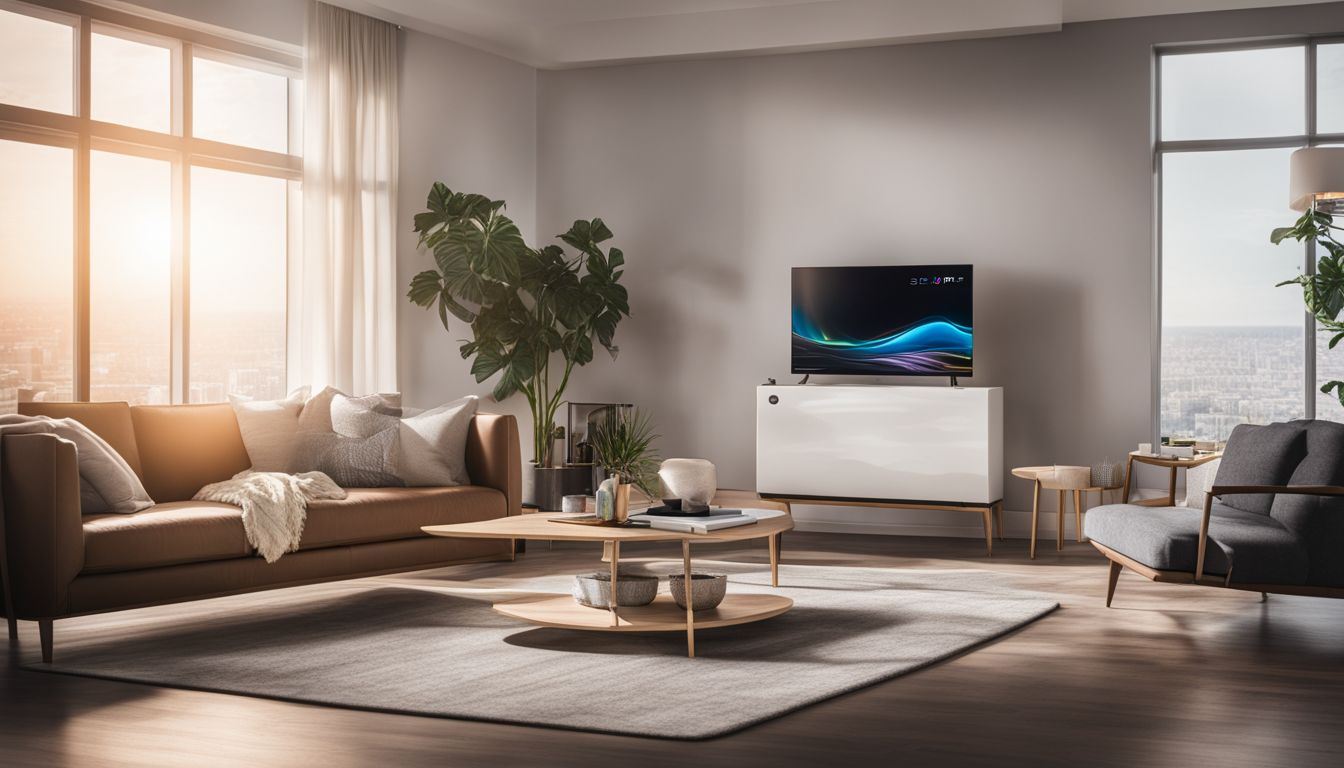
Choosing the right cooling system for your home means staying comfortable and keeping energy costs in check. Have you thought about which type will fit your space best? Perhaps a room air conditioner with a high SEER rating interests you, promising efficient operation throughout those hot months.
Or maybe an evaporative cooling system seems like the ideal match for drier climates, using less electricity while offering a cool breeze. If sustainability is key to your decision, consider exploring alternative energy sources that complement some advanced HVAC models.
Remember always to factor in maintenance when selecting an AC unit; it ensures long-term performance and savings. Let this guide be the first step towards a cooler, more pleasant living environment where summer heat becomes just another part of the day effortlessly managed by your new trusty air conditioner.
FAQs
1. What types of air conditioning units are available for my home?
You can pick from several air conditioning options, including window air conditioning units, portable air conditioners, split system air conditioners, and evaporative cooling systems to keep your rooms cool.
2. How does a split system air conditioner work?
A split system air conditioner has two parts: an outdoor unit that expels heat and an indoor unit that cools the room’s air. Together they work efficiently to lower temperatures in your home.
3. What is SEER and why is it important when choosing an AC?
SEER stands for Seasonal Energy Efficiency Ratio; it measures how effectively an AC unit uses electricity to cool a space. The higher the SEER rating, the more energy-efficient the AC is.
4. Can I use alternative energy sources with HVAC systems?
Yes, some HVAC (heating, ventilation, and air conditioning) systems run on renewable energy which can cut down on electricity costs and benefit the environment.
5. Do modern cooling systems offer features other than just cooling the air?
Absolutely! Today’s advanced models often come with extra benefits like humidifiers to balance moisture levels or even purify the room’s atmosphere.