Struggling with a soaring energy bill due to your air conditioner? You’re not alone; many households face the challenge of keeping cool efficiently. Our blog offers easy-to-follow tips that promise to boost your AC’s efficiency and cut costs.
“Stay chilled, spend less.”.
Importance of Efficient Air Conditioning
Efficient air conditioning does more than just cool down a room; it plays a vital role in enhancing indoor comfort, reducing energy consumption, and lowering monthly utility costs.
An optimised HVAC system operates without overburdening the compressor or using excessive electricity, which means less strain on your pocket and the power grid. By ensuring your unit is functioning at peak efficiency, you contribute to a greener environment by cutting down on carbon emissions associated with high energy usage.
Properly maintained air conditioners with regular servicing also prolong the lifespan of the unit. This avoids frequent replacements and keeps your home’s heating and cooling systems running effectively for longer periods.
Smart thermostat use can aid in managing temperature settings efficiently, ensuring that conditioned air is provided when needed most while avoiding unnecessary operation during off-peak hours or when no one is home.
Embracing such measures promotes an energy-efficient lifestyle that aligns with climate change mitigation efforts globally.
Effective Tips for Efficient Air Conditioning
To foster energy efficiency and cost savings, implementing strategic measures can significantly enhance the performance of your air conditioning system. Discover practical methods for optimising your AC’s operation, ensuring it cools effectively while consuming minimal power.
Regularly Change the Air Filter
Keeping your air conditioner’s filter fresh is a straightforward yet vital task. Dirty and clogged filters make your cooling system work harder, leading to increased energy consumption and higher bills.
For optimal performance and energy efficiency, swap out those filters every two to three months. This routine maintenance not only helps in reducing energy costs but also enhances the quality of air circulating in your home.
Clean filters are the lungs of your AC unit; they trap dirt, dust, and allergens keeping them out of the air you breathe. With this simple change, you’ll notice improved temperature regulation throughout your living spaces.
Remember that a well-maintained air conditioning system runs more smoothly, preventing unnecessary strain on its components and potentially extending its lifespan while saving money on repair costs and energy usage over time.
Utilise Smart Thermostat or AC Controllers
Upgrade your AC unit by installing a smart thermostat that can adapt to your daily routine. Set it up once and let it automatically adjust the temperature for different times of the day or night, potentially cutting down on energy use and reducing electricity bills.
These devices learn from your habits and preferences, ensuring you stay comfortable without wasting energy.
Control your air conditioning from afar using a smart thermostat with WiFi capabilities. Change settings using your smartphone or tablet, even when you’re not at home. This technology helps keep temperatures consistent and avoids overworking the system, which is key to maintaining efficiency in air conditioning units.
Ensure Proper Ventilation
Good air circulation is key to keeping your AC running efficiently. Make sure all vents are clear from obstructions like furniture or curtains to allow free flow of air. This isn’t just about comfort; it ensures that your system doesn’t work harder than necessary, which can lead to energy wastage and higher bills.
Keep exhaust fans in check and use them effectively, especially in areas like kitchens and bathrooms where humidity levels tend to be higher. Proper use of these fans helps prevent the buildup of moist air, which makes your air conditioner work extra hard to cool and dehumidify your space.
Remember that accessible components simplify maintenance tasks, so ensure that the units and controls for your HVAC systems are within easy reach for cleaning and repairs. This proactive approach prevents minor issues from escalating into major problems with ventilation or efficiency down the line.
Maintain Optimal Temperature Settings
Setting your air conditioner to the right temperature is a key step towards energy efficiency. The Department of Energy suggests keeping it at 78 degrees while you’re home. This setting helps reduce energy consumption without sacrificing comfort.
However, every degree below this can hike up your energy usage by 8 per cent, so consider this when adjusting for cooler temperatures.
Use a programmable thermostat to manage these settings automatically. Smart thermostats make it easy to control and maintain the ideal temperature, even when you’re away from home.
They adjust based on set schedules or conditions within your home, leading to significant savings on your energy bills over time without constant manual changes.
Choose the Right Size AC for Your Room
Selecting an air conditioner that’s not too big or small for your room is key to energy efficiency. Measure your room before you shop and use the energy rating label to gauge which AC unit matches your space requirements.
Take into account both the width and length of the area as different room shapes can influence cooling capacity needs.
Keep in mind other factors like insulation quality, local climate conditions, and ceiling height. These elements affect how hard your air conditioning system has to work to cool down the space efficiently.
Investing in an appropriately sized AC will not only save money on electricity bills but also reduce wear on the unit over time. With energy-saving considerations at the forefront, ensure you pick an air conditioner with a high Seasonal Energy Efficiency Ratio (SEER) appropriate for your specific cooling needs.
Turn off the AC When Not in Use
Making the effort to switch off your air conditioner when you’re not around can lead to significant energy savings. It’s a simple habit that cuts down on electricity use and contributes to lower utility bills.
Consider this: every hour your AC operates unnecessarily, it’s money out of your pocket and added strain on the environment.
Give your cooling system a break during cooler periods or when leaving for work or school. This pause allows it not only to rest but also prevents overworking, which in turn helps maintain its efficiency for when you need comfort most.
Moreover, cutting power to the unit avoids unnecessary energy consumption, aligning with energy-saving tips that benefit both your wallet and the planet.
Utilise Sleep Mode at Night
Maximise your air conditioner’s efficiency by switching to sleep mode at bedtime. This clever function aligns the cooling process with your body’s natural temperature drop during the night.
It smartly adjusts room temperatures, ensuring a comfortable sleep while cutting down on electricity use. Not only do you save energy, but you also extend the life of your AC unit by preventing it from overworking.
Sleep mode serves as an automated energy-saver that gradually raises the thermostat setting. By embracing this feature, you tap into a more cost-effective way to manage indoor climates without sacrificing comfort.
Your system works in harmony with your sleeping patterns, proving that efficient air conditioning is just a button away during those restful hours.
Trouble Signs: When Your Air Conditioner is Not Running Efficiently
Recognising the warning signs of an inefficient air conditioner can save you from costly repairs and ensure your system remains in top condition. If your AC fails to cool effectively or encounters operational hiccups, it’s time to investigate further for potential issues.
AC Not Blowing Cold Air
If your AC unit is not blowing cold air, a dirty air filter could be the culprit. Regularly replacing or cleaning your filter is essential to prevent debris buildup and maintain proper airflow.
Check for excess dust accumulation and clear it out to improve efficiency. Ensure your refrigerant level is correctly charged as well; an incorrect charge can seriously affect cooling performance.
Inspect ducts for leaks that may hinder cold air distribution throughout your home. Taking care of any leaks promptly will help restore the optimum function of your air conditioning system.
Always check electrical components like fuses or circuits too, because issues here can stop the cooling process entirely. Keep these parts in good working order to avoid service disruptions and ensure a steady stream of refreshing, cool air from your vents.
Freezing Up During Winter
Your air conditioner might start to freeze up during the colder months for a variety of reasons. Dirty filters can block airflow, causing humidity to settle on the coils and turn into ice.
Check your thermostat settings; incorrect adjustments could lead to freezing problems too. Keep an eye out for a clogged drain system, as this can also cause issues with freezing.
Routine HVAC maintenance is crucial in preventing your unit from freezing during winter. Make sure you have sufficient refrigerant levels and ensure proper airflow over the coils. Look after fans and other components, keeping them free from defects that could contribute to a frozen AC system.
Taking these steps helps maintain uninterrupted performance even when temperatures drop outside.
Strategies for Reducing Wear and Tear on Your AC Unit
Regular maintenance is key to minimising the strain on an air conditioning unit. This includes scheduling professional inspections and cleanups annually, and ensuring that all components function optimally.
During these checks, a licensed technician can spot minor issues before they turn into costly repairs, keeping your system running smoothly.
Another effective strategy involves being mindful of operating times. Using programmable thermostats lets you control when the AC runs and helps in avoiding operation during peak hours which reduces stress on the unit.
Additionally, making sure that nothing blocks air vents will maintain steady airflow and prevent overworking the system. Checking for leaks regularly and ensuring that the condensate drain isn’t obstructed will also contribute to prolonging your AC’s lifespan by preventing water damage and mould growth within your system.
Maintenance Tips to Enhance Air Conditioner Efficiency
To keep your air conditioning unit in top form, timely maintenance is crucial. These practical tips will aid in boosting the efficiency of your system, ensuring it performs at its best when you need it most.
Regular Check on Refrigerant Level
Checking your air conditioner’s refrigerant level regularly is crucial to ensure it’s running at peak efficiency. An AC unit low on refrigerant will struggle to cool your home, leading to a cycle of overwork and underperformance.
Have a professional technician inspect the system for any leaks and top up the coolant as needed. Keeping this aspect of your AC in check helps optimise its operation, saving you money on energy bills and extending the life of the unit.
Ensure that you schedule regular maintenance checks for your air conditioning system with a focus on refrigerant levels. A well-maintained system not only performs better but also uses less energy, contributing to both environmental conservation and lower utility costs.
Trusting this task to skilled technicians guarantees that your air conditioner continues functioning efficiently throughout hot weather spells, providing comfort without compromising on cost or performance.
Cleaning of AC unit
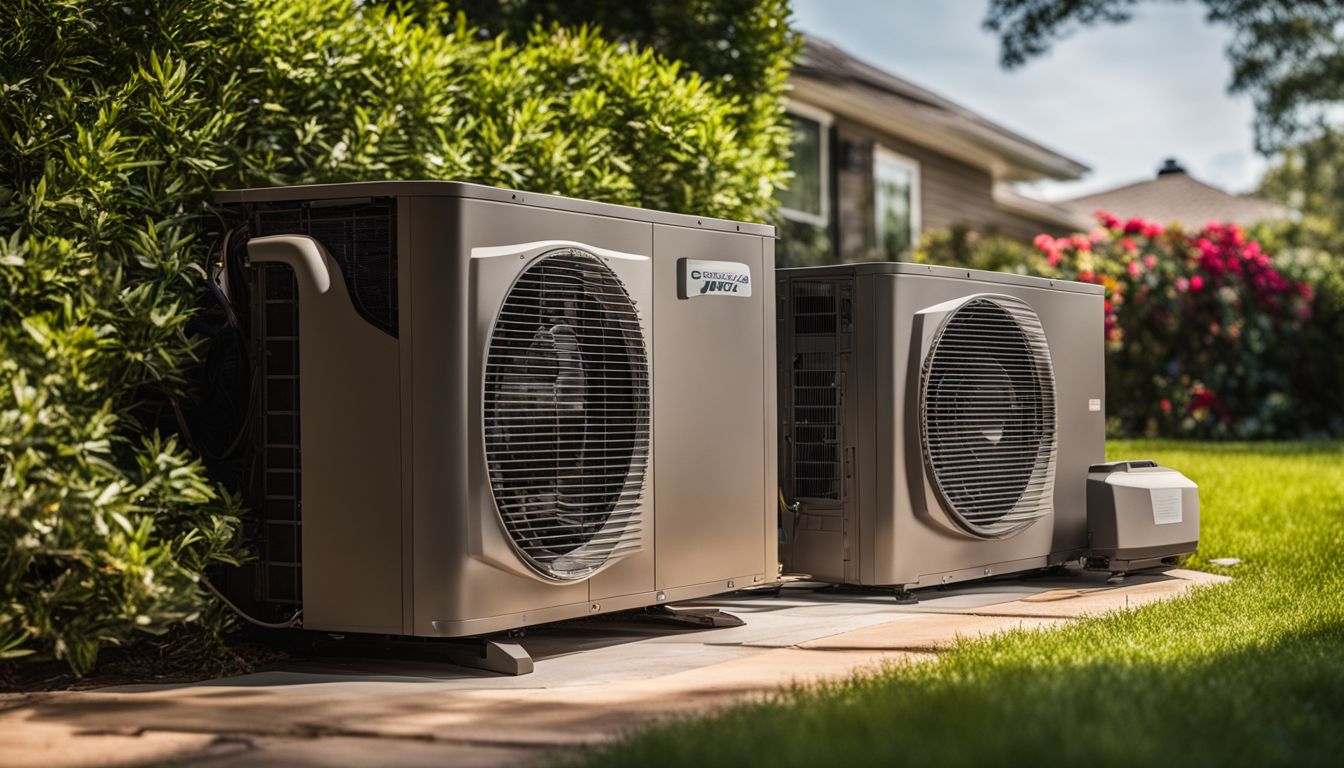
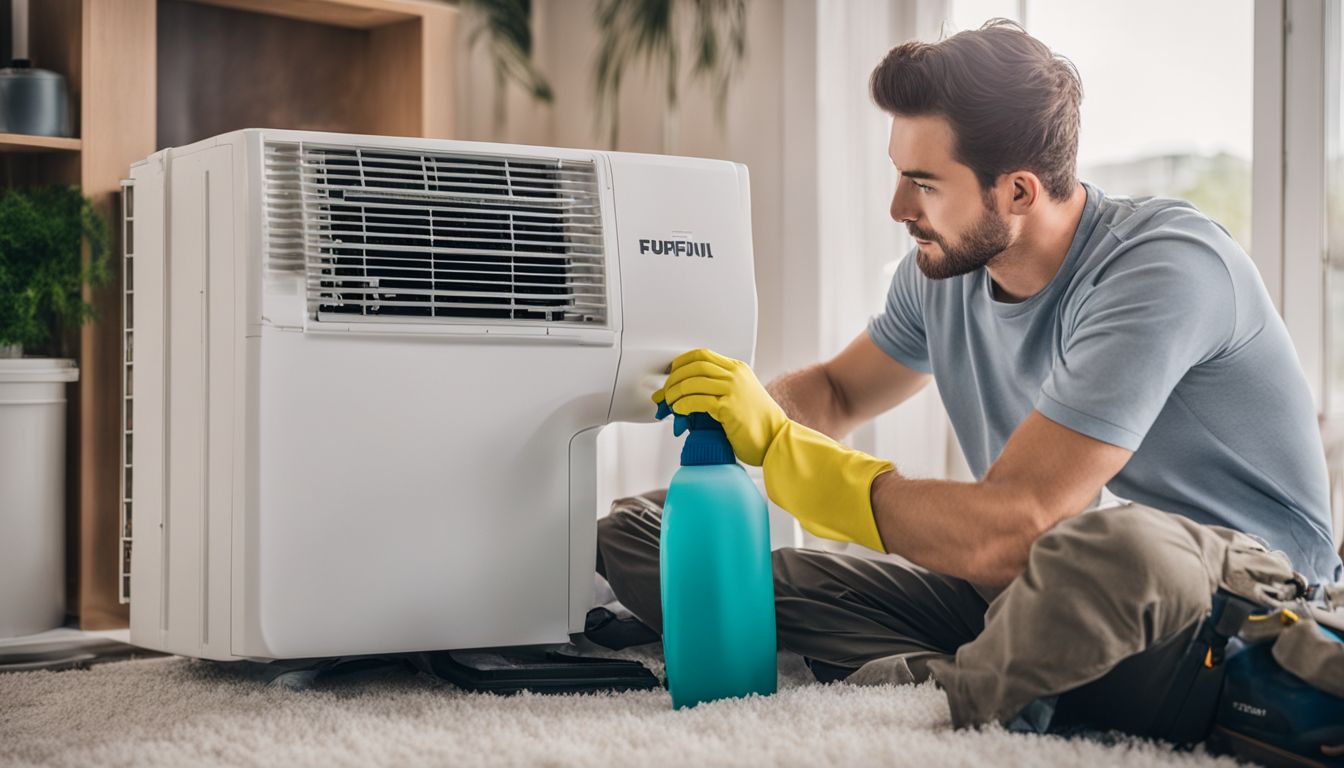
To maintain your air conditioner’s efficiency, it’s essential to keep the unit clean. Dirt and debris can clog your system, making it work harder and waste energy. Begin by turning off the power to the AC unit for safety.
Use a soft brush to gently remove dust from the fins, being careful not to bend them. Clear away leaves and debris from around the condenser and check for any obstructions that might block airflow.
Next, focus on the interior parts of your air conditioning system. Use a shop vac or a soft cloth to clean out any accumulated dirt inside the blower compartment and return air ducts.
Regular cleaning ensures better air quality in your home and helps prevent strain on your AC, leading to a longer life expectancy for your equipment. Remember that preventative maintenance is crucial; aim to schedule these cleaning tasks at least twice a year or as needed depending on usage and environmental factors like extreme weather conditions or high levels of dust in your area.
Replacement of AC Capacitor When Required
Identifying a faulty capacitor in your air conditioning system is crucial. Symptoms such as the AC unit humming but not starting, or turning on and off frequently, often indicate the need for a new capacitor.
Taking action to replace a damaged or worn-out capacitor ensures that your air conditioner doesn’t work harder than it should. This helps maintain efficiency and keep energy consumption under control.
Consulting with a professional is wise when replacing an AC’s capacitor; they can accurately diagnose issues and handle the replacement safely. They will make sure you get the correct type of capacitor for your specific air conditioning unit, ensuring optimal performance and avoiding further complications down the line.
Regular maintenance checks of your system include assessing this component because it’s essential for reliable operation through changing weather conditions.
Conclusion
Embrace these energy-saving strategies for a more efficient air conditioning system. Incorporating regular filter changes and smart thermostat usage can cut down on energy use and costs.
Remember, keeping your unit free from dirt and ensuring it’s the right size makes a big difference in performance. Tackling simple maintenance tasks extends the lifespan of your AC and keeps it running smoothly.
Take action today to enjoy cool comfort without wasting energy or money.
For further information on prolonging the life of your cooling system, kindly visit our detailed guide on strategies for reducing wear and tear on your AC unit.
FAQs
1. How can I make my air conditioner more energy-efficient?
To make your air conditioner more energy-efficient, regularly service the unit, pick an AC with a high SEER rating, and use weatherisation methods to seal any air leaks in your home.
2. What size of an AC unit should I get for my home?
Choose an AC unit size that’s right for your space; too large or too small will reduce efficiency. Consult with experts to find a perfectly sized central air conditioner or room air conditioner.
3. Can using ceiling fans help improve my air conditioning system’s efficiency?
Yes, using ceiling fans alongside your air conditioning system helps circulate cool air better and allows you to set the thermostat higher while still staying comfortable.
4. What type of maintenance does my central air conditioning need?
Maintenance for central air conditioning includes cleaning filters, checking refrigerant levels and inspecting ductwork periodically to ensure optimal performance.
5. Are there any specific products that can help seal windows and doors against leaks affecting my AC’s efficiency?
Using caulk or sealant around windows and doors fights against leaks that force your cooling systems—like reverse-cycle air conditioners—to work harder than necessary.
6. Does upgrading other appliances impact how efficiently my AIRCONDITIONED space feels?
Yes! Upgrading to ENERGY STAR-rated appliances like fridges and water heaters contributes positively by maintaining cooler temperatures without overworking the cooling system.