As summer heats, you might notice your air conditioner struggling to keep cool. An often overlooked fact is that simple maintenance can significantly enhance AC performance. Our blog offers easy-to-follow tips that ensure your cooling system runs smoothly and efficiently.
Keep reading to make the most of your air conditioning!
Effective Strategies to Enhance Air Conditioner Performance
Employing a few smart tactics can make a significant difference in keeping your air conditioning system running at peak performance. Discover how adopting simple yet effective strategies could drastically bolster the efficiency and longevity of your HVAC unit, ensuring comfortable temperatures and lower energy bills throughout the year.
Regularly Change and Clean Air Filters
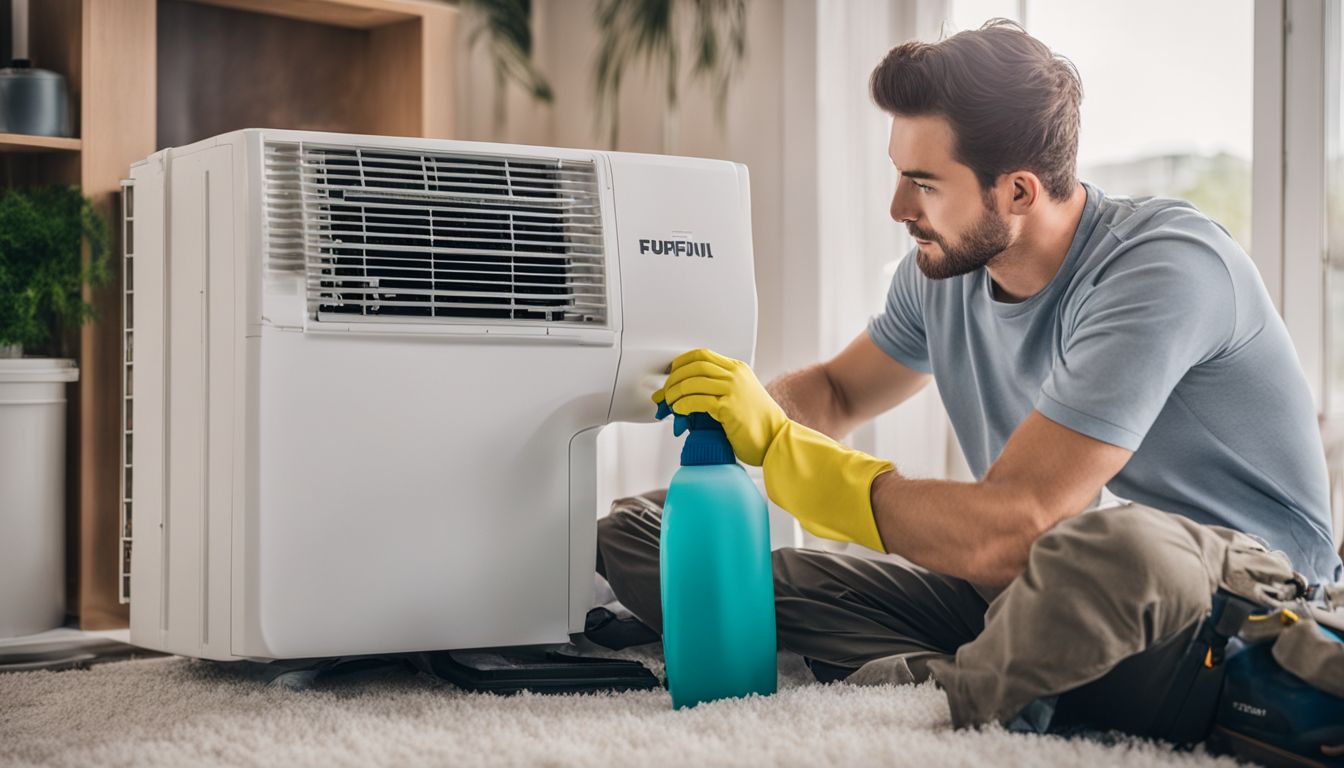
Ensuring your air conditioning system runs at peak efficiency involves a simple yet essential task: regular air filter maintenance. A clogged or dirty filter restricts airflow, forcing the system to work harder and less efficiently, leading to increased energy consumption and higher utility costs.
By changing HVAC air filters every quarter, not only do you promote better indoor air quality, but you also enable more precise temperature control throughout your home.
Keeping on top of this preventative maintenance step can prevent a host of issues down the line. Clean filters allow for optimal airflow which helps reduce the likelihood of frequent cycling and unusual sounds that signal overexertion in your unit.
Furthermore, during months of heavy usage, checking and cleaning these filters monthly maximises your AC’s ability to enhance air quality by effectively reducing humidity levels and improving filtration—key factors for maintaining a comfortable living environment without putting undue strain on the furnace or heat pump elements within the system.
Maintain Cleanliness Around the Condenser Unit
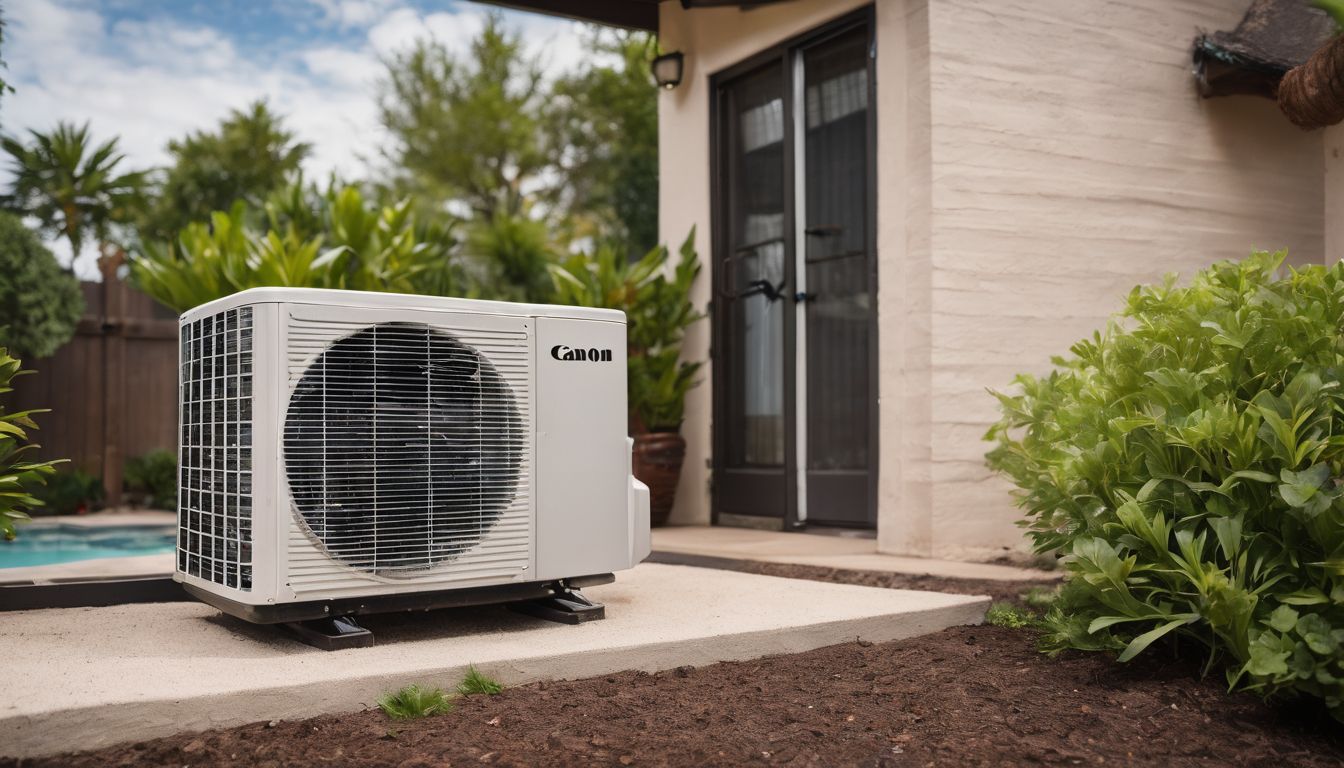
Keep the area around your outdoor condenser unit clean to prevent airflow restriction. Leaves, dirt and debris can clog up your system leading to inefficiency and potential damage.
Regularly inspect and clear away any rubbish that’s collected near the unit. Cleanliness not only protects the equipment but also maintains air conditioner efficiency.
Cleaning the fins on the condenser is a simple step that can have a significant impact on your HVAC system’s performance. Gently wash them with a hose or use a soft brush to remove accumulated dust without bending or damaging them.
Making sure these components are unobstructed allows for better heat transfer, which in turn keeps your cooling effective and energy usage in check.
Adequate Shading for the Outdoor Unit
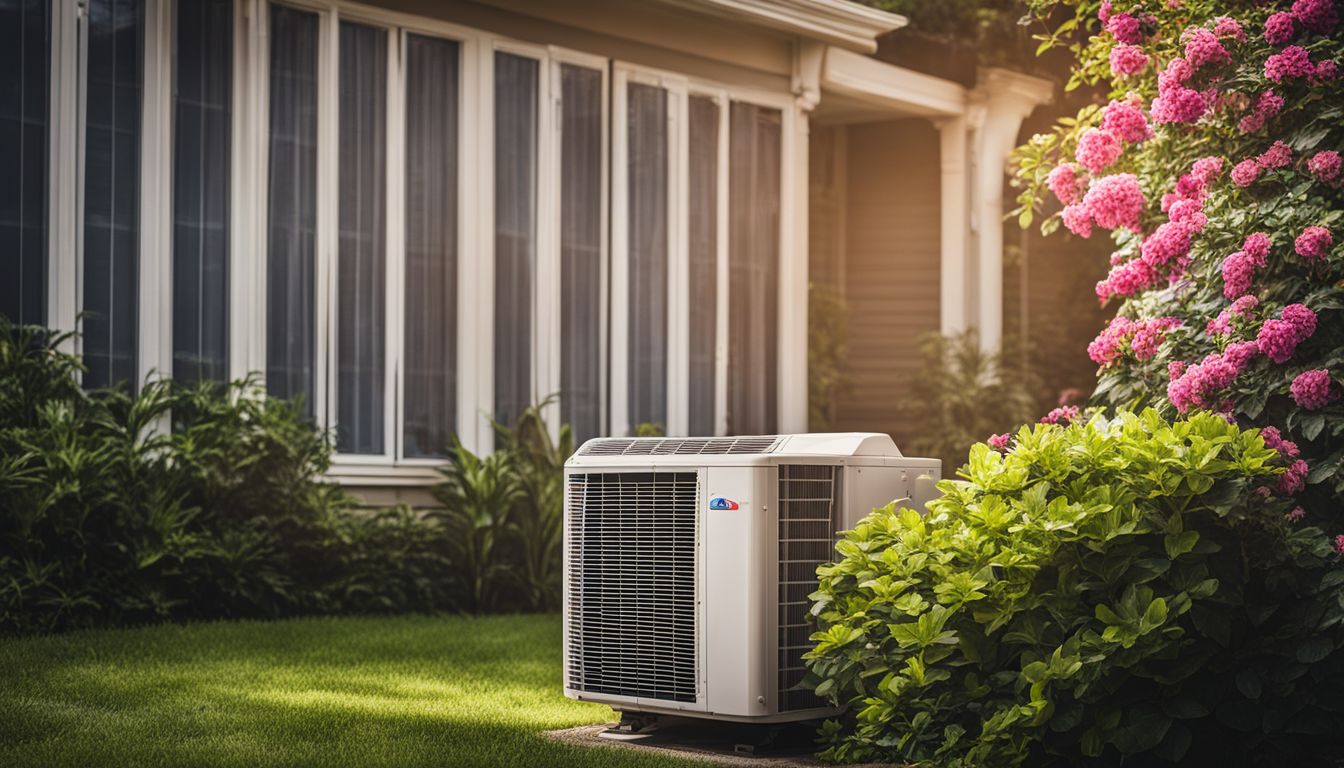
Placing your air conditioning unit in a shaded area can boost its efficiency. Trees and other landscape features offer natural cooling that helps the unit remain at a lower temperature.
A shaded outdoor condenser works less strenuously, thus consuming less energy which may lead to potential savings on utility bills.
Be mindful though, as simply putting an artificial shade over the unit is not enough. Ensure there’s ample space around it for unobstructed airflow and easy maintenance access.
Experts suggest focusing on regular checks rather than relying solely on shading to improve the performance of heating and cooling systems.
Importance of Sealing and Insulation
Ensuring your home is properly sealed and insulated can significantly magnify your air conditioner’s efficiency. It acts as a barrier against heat flow and keeps cool air where you need it most, enhancing the performance of your HVAC systems and leading to noticeable energy savings.
Prevent Air Leaks
Check your home for any signs of air leaks, especially around windows and doors where drafts tend to occur. Apply to weatherstrip or use draft stoppers to seal these spaces tightly.
It’s also crucial to inspect vents and chimneys; and fill gaps with caulk or expanding foam to block unwanted airflow. Sealed environments don’t just keep the cool in during summer—they ensure heat stays put when you need it.
Look into using aircon insulation tape on your AC unit. This simple measure can significantly prevent energy from escaping through unseen cracks and crevices. Focus on securing areas where ductwork is exposed, particularly in attics, basements, and crawl spaces that are prone to temperature extremes.
By reinforcing these spots against leakage, you’re investing in improved comfort and energy efficiency for your central air conditioning system.
Insulate Exposed Ductwork
Insulating exposed ductwork is a crucial step to enhance your air conditioning system’s efficiency. By wrapping your ducts in insulation, heat loss during winter and heat gain during summer are markedly reduced.
This means the temperature of the air that flows through stays closer to what you want it to be. Not only does this boost comfort levels within your home, but also helps maintain consistent temperatures throughout different rooms.
Seal any visible gaps or leaks in your exposed ducts before adding insulation. Use mastic sealant or metal-backed tape designed for HVAC systems; these materials ensure a durable bond that prevents future leakage.
Once sealed, choose high-quality insulation material such as fibreglass or foam board that matches the needs of your climate zone. Properly executed, insulating and sealing maximise energy efficiency and trim down on those hefty utility bills by making sure every puff of conditioned air reaches its intended destination without unnecessary detours through unconditioned spaces like attics or crawlspaces.
Smart Thermostat Management
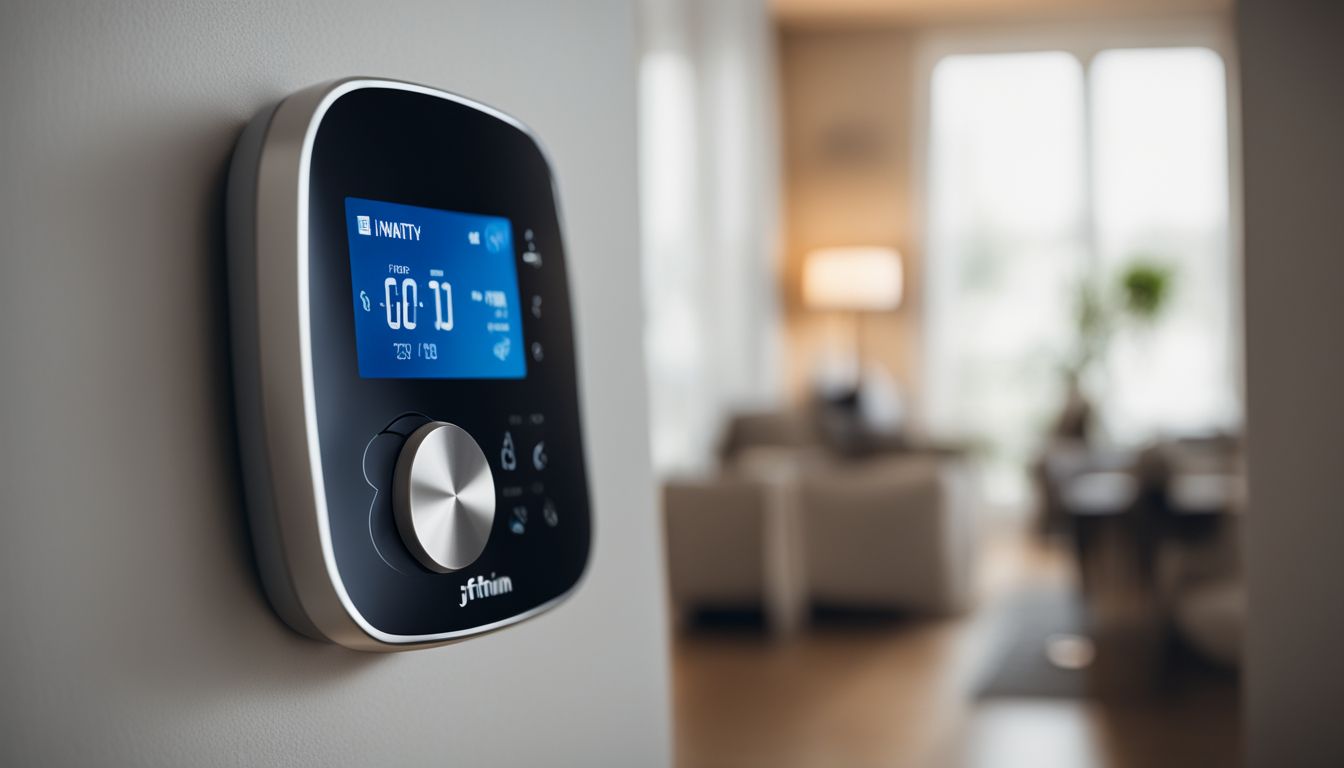
Managing your thermostat intelligently can significantly optimise your air conditioner’s efficacy, ensuring that temperatures are adjusted according to actual needs and not affected by other heat sources in the home.
This approach not only maintains comfort but also contributes to a noticeable reduction in energy consumption, making it a smart move for both the environment and your wallet.
Avoid Placing Thermostat Near Heat-Producing Appliances
Ensure your thermostat is installed away from appliances like ovens, washers, and dryers. These devices can emit heat that may cause the thermostat to get a false reading of your home’s temperature.
This misreading can lead to your air conditioning system working harder than necessary, ramping up energy usage unnecessarily.
Locate the thermostat in a spot where it won’t be influenced by external heat sources such as televisions or water heaters. An inaccurate temperature reading triggers frequent on-and-off cycles of your HVAC equipment, causing wear and tear over time and reducing overall efficiency.
Positioning it correctly helps maintain an even temperature throughout your home and ensures energy-efficient operation of heating and air conditioning units.
Increase Thermostat Temperature
Turning up the thermostat on your air conditioner can lead to substantial energy savings. By adjusting it just 7-10 degrees higher for periods when you’re away or don’t require cooler temperatures, you enable the system to work less strenuously.
This simple action not only prolongs the life of your unit but also reduces energy consumption significantly.
Smart thermostats take this further by learning your schedule and preferences and automatically making temperature adjustments that optimise comfort and efficiency. Investing in these devices supports an eco-friendly home while keeping energy bills in check.
Opting for a programmable thermostat ensures your air conditioning systems are not overworked, marrying convenience with cost-effectiveness.
Determining the Right Cleaning Frequency for Your Air Conditioner
Assess your air conditioner’s workload to set a cleaning schedule that keeps it running efficiently. In dusty environments or when the unit runs frequently, filters clog up faster and require more frequent attention.
Check the filters monthly and anticipate a need for replacement or cleaning every 30 to 60 days, especially during peak usage. Keep an eye out for dirty air filters as they clearly indicate that the filter and interior components may need a deep clean.
Avoid waiting too long between cleans; neglect can lead to energy-intensive operation and reduced efficiency of your HVAC system. Regular maintenance ensures better air quality, lowers energy consumption, and lengthens the life span of your unit.
Use manufacturer guidelines and observations of your living conditions to fine-tune the care routine for central air conditioners, keeping them in prime condition year-round without consuming excess energy or causing unnecessary wear on their parts.
Conclusion
Maximising your air conditioner’s efficiency doesn’t just enhance performance; it also slashes energy bills. Embrace regular check-ups and smart use of appliances to keep the cool air flowing all summer.
By acting on these tips, you’ll enjoy a comfortable home and peace of mind, knowing your system runs at its best. Remember, a well-maintained unit isn’t just about immediate comfort—it’s an investment in long-term savings and sustainability.
Let these strategies lead you to a cooler, more efficient home environment.
FAQs
1. How do curtains and blinds help my air conditioner work better?
Curtains and blinds can keep your rooms cooler by blocking sunlight, which reduces the energy consumption of your air conditioner.
2. What is a SEER rating and why does it matter for my air conditioning?
SEER stands for Seasonal Energy Efficiency Ratio, with a higher SEER meaning an energy-efficient HVAC system that uses less power to cool your home.
3. Can cleaning my air ducts improve my AC’s performance?
Yes, using tools like a shop vac to clear out debris from your air ducts helps maintain efficient airflow which enhances your AC system’s performance.
4. Does having ceiling fans affect how well my air conditioning works?
Installing ceiling fans can assist in keeping the air flowing throughout the room, allowing you to raise the thermostat setting on the AC without losing comfort while saving energy.
5. Are there any benefits to buying an Energy Star-rated AC unit?
An Energy Star-rated AC means it meets strict energy efficiency guidelines set by the EPA, leading to reduced energy consumption and lower electricity bills.