As summer heat soars, our reliance on air conditioning climbs, often leading to shockingly high energy bills. A savvy tip is that smart use of AC can cut cooling costs by up to 20%.
Our post will show you easy ways to boost your air conditioner’s efficiency and keep money in your pocket. Let’s beat the heat without breaking the bank!
Recognising Signs of Energy Waste in Air Conditioners
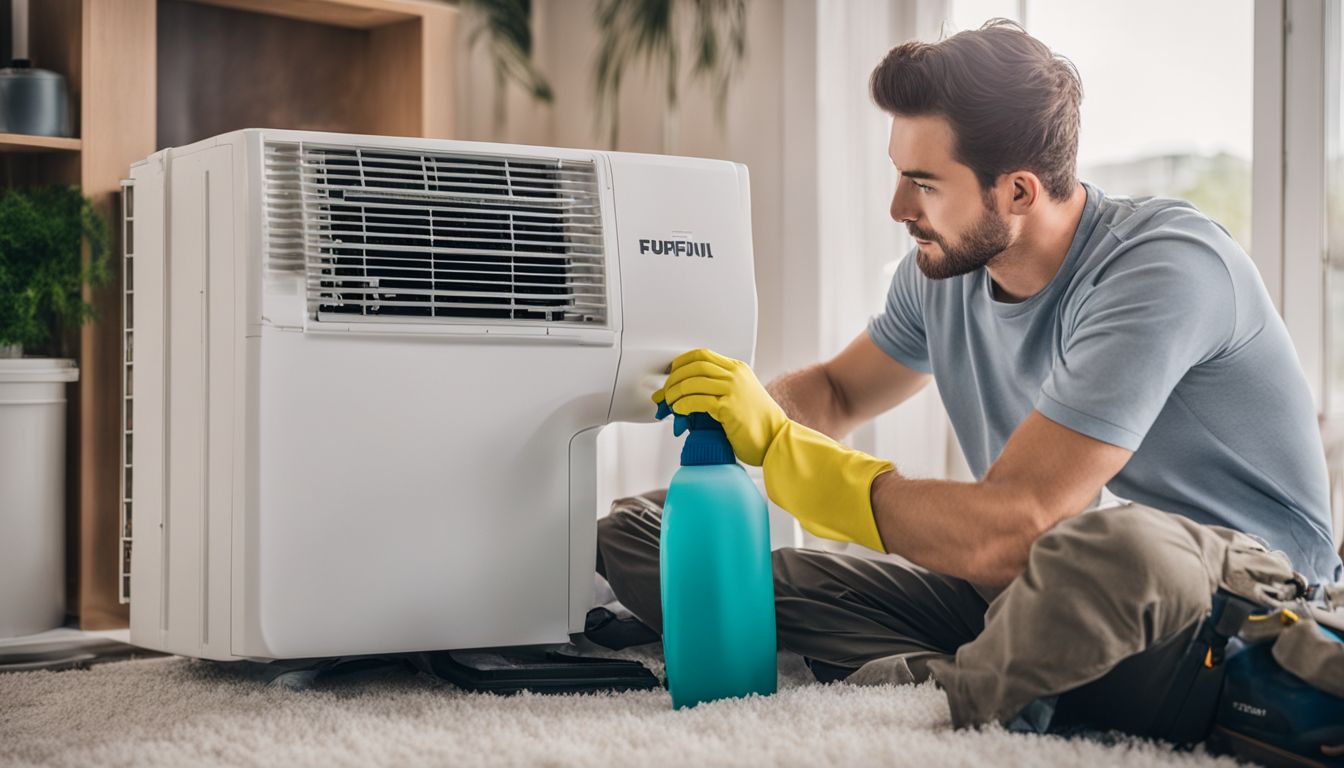
Dirty air filters are a common culprit when it comes to energy waste in air conditioners. They clog up the system, making it harder for your unit to circulate cool air through your home.
This forces the machine to work harder and use more electricity, leading to higher bills. Regularly cleaning or replacing these filters helps maintain airflow and reduces energy consumption.
Another telltale sign is an inexplicably high electricity bill despite using your air conditioning unit as usual. This could mean your AC system has become less efficient due to wear and tear or lack of proper maintenance.
Listen also for unusual noises coming from the unit; banging, clanking, or hissing sounds can signal mechanical problems that need immediate attention, preventing further energy loss and potential damage to the system.
Keep an eye out for ice build-up on evaporator coils too – this indicates issues with airflow or refrigerant levels that can dramatically affect efficiency if left unchecked.
Efficient Use of Air Conditioning for Energy Savings
Harnessing the full potential of your air conditioning system not only ensures a cooler home but also significant energy savings. Learn how to strategically manage and upgrade your AC usage for maximum cost-effectiveness without compromising comfort.
Regulating temperature
Regulating temperature effectively is vital for energy efficiency and can result in significant savings on electricity bills. An optimal setting for your air conditioning unit during summer months is 78° Fahrenheit when you’re at home.
This setting strikes a balance between comfort and not overworking the system, conserving energy while keeping living spaces pleasantly cool.
Remember that lowering the thermostat just one degree below this recommended level could increase your power consumption by up to 8 per cent. To avoid unnecessary adjustments and maintain a stable indoor environment, consider installing a smart thermostat that automatically adjusts temperatures based on daily routines.
Not only does it keep rooms at an ideal temperature without constant manual changes, but it also slashes through the high energy costs associated with heating and cooling.
Programming the air conditioner
Setting your air conditioner to Eco Mode is a clever way to cool your space without wasting energy. This feature adjusts the cooling power based on the room’s temperature, ensuring you stay comfortable while conserving electricity.
You can save money on bills and still enjoy a refreshing environment by simply selecting this option.
Smart thermostats offer another layer of control over your AC unit’s energy use. They learn from your daily habits and adjust temperatures accordingly, ensuring the air conditioning only runs when needed.
For nights or when you’re out, programming the thermostat with a timer ensures that it switches off automatically, cutting down unnecessary usage and significantly saving energy costs.
Utilising energy-saving features
Make the most of your air conditioner’s energy-saving settings to slash power consumption. Engage Eco Mode, a feature that minimises energy usage while maintaining comfortable temperatures.
This setting adjusts the cooling power as needed, cutting down on excessive electricity use and leading to cost savings on bills.
Programmable thermostats are another smart tool for conserving energy. By tailoring temperature control throughout the day, you can ensure your system isn’t working overtime when no one is home.
During nighttime hours, sleep mode can be activated on many units to reduce activity and save additional kilowatt-hours, leaving more money in your pocket over time.
Choosing the Right Energy-Efficient Aircon Unit
Selecting an air conditioning unit with a high ENERGY STAR® rating is crucial to reducing energy consumption and saving money on bills. These models often include advanced features that automatically adjust cooling based on room temperature, helping to conserve energy.
Look at the label for the seasonal energy efficiency ratio (SEER) as well; higher numbers indicate better efficiency.
Consider your local climate when shopping for an aircon unit. If you live in a humid area, find a model designed to handle moisture effectively, ensuring it doesn’t work overtime and use excess electricity.
Verify that the cooling capacity matches your space size so you don’t end up with a unit that cools inefficiently or one that’s overworked. Regular maintenance keeps these units running optimally for longer periods, preventing premature replacement and additional costs.
Physical Factors Influencing Energy Efficiency
The layout and conditions of your living space play a crucial role in how efficiently your air conditioning system operates, with factors like humidity levels and heat-emitting devices significantly impacting energy consumption.
By optimising these physical elements, you can enhance the thermal efficiency of your home and reduce unnecessary strain on your cooling equipment.
Influence of humidity
Humidity plays a crucial role in how your air conditioner functions. High levels of moisture in the air force AC units to work harder, which can lead to increased electricity use and higher energy bills.
To keep your cooling system running efficiently, it’s essential to control indoor humidity levels. This means using dehumidifiers when necessary or combining the use of your aircon with ceiling fans for better circulation.
Air conditioners not only cool down your space but also remove excess humidity, making them key players in maintaining comfort. Choosing an air-conditioning unit with the right cooling capacity is vital for effective moisture control and avoiding energy wastage.
Ensure that temperature and humidity are regulated according to ASHRAE standards for optimal thermal comfort without overburdening your appliance or wallet.
Furniture layout and airflow
Rearranging furniture can improve the efficiency of your air conditioning. Make sure sofas and bookshelves do not block vents or windows. This allows cool air to circulate freely, preventing your AC unit from overworking.
Creating clear pathways aids in distributing cool air throughout the room, reducing energy consumption.
Positioning chairs and tables away from direct sunlight also helps maintain a cooler environment. Use curtains wisely to shield interior spaces from the intense heat of the sun without restricting airflow.
By thoughtfully planning your space, you contribute significantly to an air-conditioned room’s ability to stay fresh with minimal energy use.
Heat-generating appliances
Heat-generating appliances like ovens, dryers, and microwaves can raise indoor temperatures, making air conditioners work harder. These devices inadvertently add warmth to your home, especially if used during the hottest parts of the day.
Avoiding their usage when the sun is blazing, you can help keep your home cooler without overworking your AC unit.
To enhance cooling efficiency further, consider how these appliances are positioned in relation to your air-conditioning units. Appliances that sit too close to thermostats or AC vents might cause misreadings or restricted airflow.
Ensure they’re placed strategically to prevent unnecessary strain on your cooling system and promote more effective temperature management throughout your living space.
Maximising Efficiency in Different Types of Homes
Maximising efficiency in various homes involves customised strategies unique to each setting, ensuring that compact apartments and sprawling multi-room dwellings reap the benefits of energy-smart air conditioning.
Key considerations include tailoring solutions for central AC systems to overcome challenges presented by diverse layouts and living spaces.
Apartments
Living in an apartment often means dealing with a unique set of challenges for keeping cool while saving energy. The design and construction of your building can significantly affect how much power you need to stay comfortable.
To cut down on the use of air conditioning, consider using fans which consume less electricity and promote air circulation. Adjust window coverings during the day to block out heat or open them up when it’s cooler for natural ventilation.
Apartment dwellers have several strategies at their disposal to enhance AC efficiency and keep energy bills low. Make sure your home electronics like laptops and smart TVs aren’t heating up small spaces unnecessarily – switch them off when not in use.
Embrace energy-efficient lighting like LED bulbs that emit less heat than traditional ones. Regular maintenance of your air conditioner ensures it runs smoothly, preventing wastage of precious kWh due to poor performance or blocked ducts.
Keep humidity levels in check as high relative humidity makes AC units work harder; simple acts like drying clothes on a clothesline instead of using a dryer can make a noticeable difference.
Multi-room houses
Multi-room houses benefit greatly from zone-based heating and cooling. This allows homeowners to only air-conditioned spaces that are currently in use, saving energy by not cooling or heating unoccupied rooms.
By installing dampers within the ductwork of a central air conditioning system, you can control the flow of cool air to different areas of the house.
Selecting the right appliances also plays a crucial role in multi-room homes. Energy-efficient portable air conditioners or heat pumps may be suitable for targeting specific zones without wasting energy on empty spaces.
Careful consideration between using a single central system versus individual units for each room can lead to significant savings on home heating and cooling expenses.
Central AC systems
Central AC systems stand out for their efficiency and ease of operation, offering a single solution to cool an entire home. Unlike individual room units, these systems provide consistent temperatures across different rooms, making them ideal for cooling larger spaces effectively.
They operate through a network of ducts that distribute cooled air throughout the house, which can be controlled by adjusting temperature settings from one central location.
By maintaining good indoor air quality (IAQ), central air conditioners do more than just keep spaces comfortable during heatwaves; they also filter out potential pollutants and allergens.
This ability to improve IAQ while dehumidifying the environment contributes significantly to creating a healthier living space. Regular maintenance is crucial in keeping these systems running at peak performance, ensuring energy efficiency and prolonging their lifespan.
The Relationship between Indoor Air Quality and AC Efficiency
Good indoor air quality and energy-efficient air conditioning go hand in hand. When an AC system operates effectively, it not only cools the space but also removes contaminants from the air.
This includes pollutants like dust and allergens that can affect health and comfort. A well-maintained, energy-efficient unit will filter out these impurities more effectively while using less power.
Smart HVAC systems are revolutionising this balance by dynamically adjusting to how many people are in a room and how the space is being used. These intelligent devices make real-time decisions to optimise both air quality and energy use, ensuring that the environment stays comfortable without wasting electricity.
Regular maintenance of these systems further enhances their performance, making sure they continue to provide clean air efficiently for longer periods of time.
Conclusion
In the pursuit of comfort, choosing to cool our homes wisely can make a significant impact. Embracing energy-efficient cooling methods not only lessens our bills but also benefits the environment.
Every small change, from adjusting thermostats to maintaining AC units, contributes to a more sustainable living space. Let’s commit to these practical changes for a cooler and greener future.
Turn your home into an oasis of efficiency with smarter air conditioning habits today.
For a comprehensive guide on selecting the most suitable energy-efficient aircon unit for your needs, please visit Choosing the Right Energy-Efficient Air Conditioner.
FAQs
1. How can I make my air conditioning more energy-efficient?
To increase the energy efficiency of your air conditioner, perform regular maintenance and consider upgrading to an energy-efficient appliance.
2. What everyday appliances impact my home’s cooling needs?
Appliances like conventional ovens, clothes dryers, and water heaters generate heat, making your air-conditioned space warmer. Using alternatives like microwaves or drying laundry outside can help reduce extra heat.
3. Can smart technology aid in efficient cooling?
IoT devices allow control over household appliances such as lamps or electric heaters through internet connectivity, which helps maintain optimal temperatures without wasting power.
4. Is there a way to save on standby power for electronics?
Certainly! Reduce standby power by unplugging devices like modems, set-top boxes, desktop computers, and tablets when they’re not in use or switching them into hibernation mode.
5. Will changing my lighting affect my home’s temperature?
Switching to LED lights can lower room temperature since they emit less heat compared with traditional bulbs while also conserving energy.
6. Are some types of air conditioners better for efficient cooling than others?
Reverse-cycle air conditioning is known for being more energy-efficient because it provides both heating and cooling capabilities using less electricity than separate units.