If you’ve ever winced at your electricity bill, you know that air conditioning can be a costly comfort. SEER stands for Seasonal Energy Efficiency Ratio and tells us how good an air conditioner is at turning power into cool air.
This article unveils the mysteries of SEER ratings, guiding you through what they mean and how to choose an energy-saving unit wisely. Keep reading; it’s cooler than you think!
Understanding SEER and EER Ratings
SEER stands for Seasonal Energy Efficiency Ratio, a key metric for gauging the efficiency of air conditioners over a typical cooling season. It represents how much cooling output an air conditioning system will provide per unit of electricity consumed.
Higher SEER ratings indicate more energy-efficient units, translating into lower electricity bills and less environmental impact.
EER, or Energy Efficiency Ratio, provides insight into how an air conditioner operates under specific conditions. While SEER captures performance across the entire cooling season, EER tells us how efficient the unit is at peak operating times when temperatures soar.
Air conditioners with high EER numbers perform better during these extreme conditions and help maintain steady energy consumption even on the hottest days.
The Importance of High Efficiency
Embracing high-efficiency air conditioning units is not merely a step towards reduced energy bills; it’s pivotal for lessening our environmental impact. High SEER-rated appliances are at the forefront of this drive, defining the future of sustainable cooling technologies and bolstering efforts against climate change.
The Significance of SEER Rating
The SEER rating of an air conditioning unit captures its cooling efficiency over a typical cooling season. This measure reflects how well the system uses electricity to cool your home, with a higher SEER indicating better energy use.
Air conditioners with high SEER ratings cost less, translating into lower energy bills and more savings for homeowners.
Selecting an air conditioning system with a superior SEER rating not only reduces monthly expenses but also has environmental benefits. Efficient systems demand less power from the electric grid, leading to fewer greenhouse gas emissions and a smaller carbon footprint.
Consumers can feel confident that by choosing units with higher SEER values, they support both their financial well-being and the health of our planet.
Essence of Efficiency: Grasping the SEER Concept
Grasping the SEER concept is fundamental to achieving energy efficiency. SEER, or Seasonal Energy Efficiency Ratio, is a crucial benchmark for air conditioners and heat pumps.
Units with high SEER ratings consume less electricity, translating into significant energy savings over time. Homeowners and businesses alike benefit from this, enjoying lower utility bills while supporting environmental sustainability.
Efficient air conditioning systems with lofty SEER scores do more than just save money; they also contribute to a healthier planet by reducing carbon footprints. Prioritising these high-efficiency models during purchase can make a real difference in personal finances and global eco-consciousness.
With every step up in the SEER scale, users take proactive strides towards a more sustainable future without sacrificing comfort during hot summer months or mild winters.
Features of Top-Tier Energy-Efficient Air Conditioners
Delving into the realm of top-tier energy-efficient air conditioners, we uncover the hallmarks that distinguish these models. Innovations such as variable-speed compressors emerge as pivotal features, serving to elevate both performance and efficiency.
The Impact of Variable-Speed Compressors on Energy Efficiency
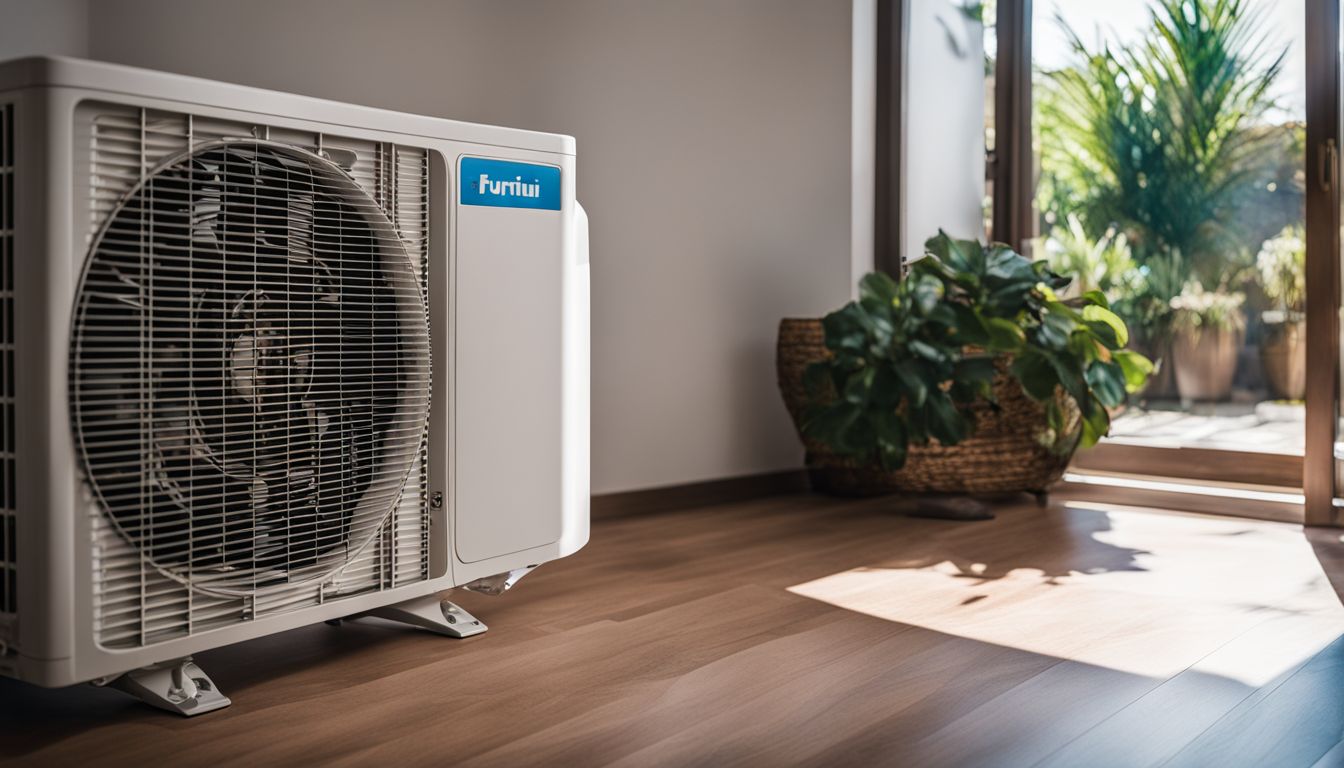
Variable-speed compressors are game changers in the world of air conditioning. They match cooling output to your home’s needs precisely, reducing energy consumption effectively. Unlike traditional compressors that run at full throttle or not at all, these smart devices can fine-tune their operation, leading to significant electricity savings and less strain on the system.
Integrating variable-speed technology means your air conditioner works smarter, not harder. As cooling demand fluctuates throughout the day, so does compressor speed. This results in a consistent indoor climate without the frequent on-and-off cycles that increase power bills and contribute to wear and tear.
By maintaining optimal efficiency levels, these resourceful compressors play a crucial role in advancing high-efficiency HVAC technologies for households everywhere.
The Benchmark: Minimum SEER Standards
The minimum SEER rating sets the bar for how efficient an air conditioner must be before it can be sold in the United States. Starting from 2023, any new air conditioners installed in northern parts of the US will need to meet or exceed a SEER rating of 14.
This marks a significant step up from older requirements, ensuring that units consume less energy and provide better performance for consumers.
Homeowners should note that these standards aim to reduce electrical usage and utility bills. Changes in regulations reflect advancements in technology and environmental concerns.
Air conditioners with higher SEER ratings contribute less to greenhouse gas emissions, making them more eco-friendly choices for sustainable living environments. Moving towards these greener options becomes beneficial and mandatory under new compliance rules.
Efficiency Tiers: Understanding SEER Ranges
As air conditioners evolve, so do their SEER ratings; these efficiency tiers reveal much about a unit’s performance in varying climates. Delving into SEER ranges provides critical insight, enabling homeowners to align their purchases with environmental impact and energy cost savings.
Environmental Factors: Climate and Temperature
Climate and temperature play crucial roles in determining the efficiency of your air conditioning system. In hotter regions, such as the southwestern and southeastern parts of the United States, high SEER ratings are essential to ensure that units can tackle intense heat effectively without raising energy bills.
Units with superior SEER ratings handle demanding weather with greater ease, leading to consistent indoor comfort and reduced energy consumption.
Certain areas experience extensive heat waves which prompt air conditioners to work harder for longer periods. This increased demand strains both household budgets due to higher electricity usage and the power grid itself.
Therefore, selecting an air conditioner with an appropriate SEER rating for your climate is not just a personal economic decision but also contributes to broader energy conservation efforts during peak seasons.
Understanding and Calculating SEER Rating of your Air Conditioning System
Delve into the mechanics of your air conditioner’s efficiency by mastering the calculation of its SEER rating. This knowledge empowers you to gauge performance and energy consumption, enabling smarter choices for your wallet and the environment.
Total Cooling Output: Understanding BTUs
The total cooling output is measured in British Thermal Units (BTUs), a term that represents the amount of heat needed to raise the temperature of one pound of water by one degree Fahrenheit.
This measurement is key when assessing an air conditioner’s capacity to cool your space. A higher number of BTUs indicates a greater ability to move heat inside your home to the outside, creating a cooler indoor environment on those hot days.
Each air conditioning unit has its own BTU rating, reflecting how powerful it is.
Air conditioners pull warm indoor air over chilled coils where heat transfer happens, releasing cooled air back into the room while expelling warmth outdoors. The efficiency of this process depends largely upon the total cooling output – the higher an AC’s BTUs, combined with proper sizing for your living space, ensures swift and effective cooling.
However, striking a balance is critical; an oversized unit can lead to unnecessary energy consumption, whereas one too small may run continuously without achieving desired comfort levels.
Energy Consumption: Kilowatt-Hours (kWh)
Energy consumption is measured in kilowatt-hours (kWh), which is a crucial unit when considering the energy efficiency of an air conditioner. A higher SEER rating means your HVAC system uses less electricity to cool your home, leading to fewer kWh consumed over time.
For example, a 2-ton central air or mini-split with an excellent SEER rating may only use around 0.96 kWh per hour.
Air conditioners with low SEER ratings will eat up more energy, often upwards of 1.71 kWh per hour for the same size unit – that’s nearly double! By opting for models designed for better performance and equipped with smart features like variable-speed drives, you ensure lower power usage and cost savings on utility bills.
Smart thermostats can also contribute greatly to reducing kilowatt-hour consumption by optimising cooling times based on your routine and preferences.
Step-by-Step Process: Breaking Down the Calculation
To calculate the SEER rating of your air conditioner, start by finding the total cooling output during a typical cooling season. This is measured in British Thermal Units (BTUs). You’ll then need to know how much energy the unit has consumed over that same season, expressed in kilowatt-hours (kWh).
Divide your air conditioner’s total cooling output (in BTUs) by its energy consumption (in kWh). The result gives you the SEER rating which reflects how efficient your system will be over an extended period.
Make sure to compile all electricity bills related to your HVAC systems or use a monitoring device for precise measurements. If obtaining exact numbers seems tricky, consider contacting a professional for help.
By understanding and applying this formula correctly, you can determine the effectiveness of your air conditioning unit and make informed decisions about upgrades or replacements geared towards higher energy efficiency.
Maintenance Practices: Keeping Efficiency Intact
Regular upkeep of your air conditioning system is critical in maintaining its seasonal energy efficiency ratio (SEER). Clean the condenser coils yearly to prevent blockages that can reduce your unit’s performance.
Ensure no debris is around the outdoor components, which could restrict airflow and compromise the SEER rating.
Replace or clean filters every month during peak usage to prevent dirt from limiting air movement and causing the system to work harder. Schedule professional service checks before cooling season kicks in; technicians will look for potential issues like refrigerant leaks or electrical problems that could impact efficiency.
Simple actions, such as these, keep your central air conditioners running smoothly and uphold their energy-saving benefits.
Informed Decision-Making: Choosing the Right Unit for Your Needs
To pick the best air conditioner, first assess your space and climate. Homes in the southwestern regions may benefit from a higher SEER rating due to intense heat. Consider ground-source heat pumps for a greener choice; they tap into the earth’s steady temperatures to cool your home more efficiently.
Take note of energy labels—they offer valuable data on efficiency ratings and estimated costs that aid in comparing models.
Factor in size and type before making your purchase. A ductless mini-split might be ideal for smaller areas or if you’re looking at room-specific cooling, while larger spaces could require split-system central air conditioners with a more powerful output.
Check for rebates and incentives available for high-efficiency units like those with R-410A refrigerants which not only reduce costs upfront but also lower energy consumption over time.
Choosing wisely means investing in comfort without compromising on long-term savings and environmental impact.
Conclusion
Air conditioners with high SEER ratings work smarter, not harder, to keep you cool. By choosing a unit that excels in energy efficiency, you invest in your comfort and the planet’s future.
Embrace the power of knowledge when selecting your next air conditioner. Ensure it meets or surpasses current energy standards. Your wallet and the environment will thank you for choosing a smart cooling technology choice.
FAQs
1. What does SEER stand for in air conditioning?
SEER stands for Seasonal Energy Efficiency Ratio, which measures an air-conditioning unit’s efficiency over a typical cooling season.
2. Why is a higher SEER rating important?
A higher SEER rating represents greater energy efficiency, meaning the air conditioner uses less electricity to cool your home, saving you money on energy bills.
3. Can you explain what the coefficient of performance (COP) means?
The coefficient of performance (COP) gauges the effectiveness of heating and cooling devices like heat pumps; it compares the amount of heat they move to the electrical energy consumed.
4. Is there such a thing as solar-powered air conditioning, and how does it work with SEER ratings?
Yes, solar-powered air conditioning exists and can be quite efficient; these systems use solar panels to capture energy from the sun which then powers your mini-split or ductless air conditioner with potentially high SEER ratings.
5. How do inverters impact the efficiency of an air conditioner with regard to its SEER rating?
Inverters control an AC unit’s compressor speed, allowing it to adjust cooling output as needed, which improves energy consumption levels and contributes positively to a higher SEER rating.
6. Are all new air conditioners required to meet certain SEER minimums?
Yes, new laws require that every new residential system must have a minimum SEER value which varies depending on if you’re in hot places like Georgia or cooler areas; this ensures better overall environmental conservation through improved home insulation and reduced emissions.