Are you wincing at the sight of your high energy bills because of aircon use? Surprisingly, an average household spends significantly on cooling costs each year. Our guide unveils easy-to-follow strategies that can cut down your consumption and save money while keeping cool.
Read on for some cool savings!
Recognising Signs of Energy Waste in Air Conditioners

High energy bills often signal an air conditioning unit working harder than it should. This can mean that cool air is escaping or the system operates inefficiently, causing unnecessary strain and higher costs.
If you notice your AC running constantly without adequately cooling the space, this could be another sure sign of energy wastage.
Excessive noise from your air conditioner may also point to a problem. It shouldn’t have to work loudly to maintain a comfortable temperature. Dust build-up on vents and around the compressor might hinder airflow, forcing your unit to use more power to cool your home effectively.
Keep an eye out for these indicators so you can address them promptly and reduce energy consumption.
Efficient Use of Air Conditioners for Energy-Saving
Master your air conditioner’s operation to slash energy bills and maintain a cool, comfortable home. By fine-tuning settings and embracing innovative features, you can significantly enhance the unit’s efficiency without sacrificing comfort.
Regulating air conditioner temperature
Regulating the temperature of your air conditioner is an effective way to conserve energy and reduce electricity bills. During warmer weather, setting your thermostat to a comfortable 24 °C instead of a chilly 18 °C can save significant amounts of energy without sacrificing comfort.
Your AC won’t have to work as hard, which prolongs its life and maintains indoor air quality.
Turning up the temperature by just a few degrees positively affects your energy consumption, especially when you’re not at home. By increasing the set temperature from where it usually rests during hours of non-usage or cooler periods, you prevent the system from overworking and consuming unnecessary power.
Smart thermostats can make this process automatic, adjusting climate control in response to real-time environmental changes. This optimises performance for both peak and off-peak hours, ensuring that your living space remains pleasant while keeping energy usage in check.
Programming your air conditioner
Make use of a programmable thermostat to control your air conditioning system. This device allows you to set temperature preferences for different times of the day, adapting your indoor environment to when you’re active, away, or asleep without constant manual adjustments.
By responding automatically to pre-set instructions based on peak and off-peak hours, such thermostats help conserve energy by only using the AC when needed.
Incorporate smart technology in programming your AC unit. Features like Eco Mode adjust the cooling intensity and improve efficiency through intelligent algorithms. Aligning the operation of your HVAC unit with daily schedules ensures that energy is not wasted while maintaining comfort levels tailored specifically for when and how spaces are used within the home.
Take advantage of these features for sustainable living while also cutting down on utility bills.
Utilising energy-saving features
Harness the power of your air conditioner’s energy-saving features to reduce electricity usage and embrace sustainability. Eco mode, a common feature in modern units, reduces power consumption significantly by adjusting the compressor speed and fan movement.
This not only lowers your energy bills but also lessens environmental impact.
Explore smart thermostats that automatically adjust temperature settings based on your daily routines, ensuring optimal comfort while conserving energy. Look for devices with an Energy Star rating to guarantee maximum efficiency.
These intelligent systems often include sleep modes that gradually increase temperatures overnight when you’re less likely to notice changes, saving even more energy without compromising indoor air quality or comfort.
Practical Tips for Energy-Efficient Air Conditioning
Keep your air conditioner at a consistent temperature, ideally between 24-25°C, to avoid overworking the system and consuming excess energy. Use programmable thermostats to set schedules for heating and cooling, allowing you to reduce the workload on your unit during hours when you’re away or asleep.
Ensure blinds or curtains are drawn during hot days to prevent heat transfer into your home, which can make your air conditioning work harder.
Incorporate ceiling fans to circulate cool air more efficiently throughout rooms; this can enable you to raise the thermostat setting by a few degrees without reducing comfort levels.
Check that furniture isn’t blocking vents as this restricts airflow and forces the air conditioner to use more power. Encourage natural ventilation on cooler days by opening windows instead of using air conditioning units; cross-ventilation helps flush out warm air and bring in fresh, cooler breezes.
Lastly, replace regular light bulbs with LED lights that emit less heat and further ease the burden on your cooling system.
Managing Physical Factors for Energy Efficiency
Managing physical factors within your home can significantly enhance the efficiency of your air conditioning system; by understanding and adjusting elements like humidity levels, furniture placement, and appliance usage, you create a more favourable environment for energy conservation.
Additionally, well-placed shading and effective insulation are crucial in reducing the overall strain on your AC unit, leading to tangible savings on your energy bills.
Influence of humidity
Humidity plays a crucial role in the efficiency of your air conditioning unit. High humidity not only makes indoor temperatures feel warmer but it also forces your AC to work harder, consuming more energy as it attempts to maintain a comfortable environment.
Consequently, this can increase your electricity bills and strain the system, leading to potential maintenance issues.
Implementing devices such as dehumidifiers helps to control moisture levels in the air, allowing air conditioners to cool spaces more effectively. A technology like Direct Outside Air System (DOAS) targets ambient humidity right at its source, introducing just enough fresh air into your home and enhancing overall energy savings.
This strategy optimises indoor air quality (IAQ) while ensuring that humidity doesn’t take a toll on appliance performance or hit you with unexpected costs.
Furniture layout and air conditioner airflow
Position your furniture to promote a clear path for air conditioning airflow. Keep chairs, sofas, and shelves away from vents to ensure the cool air circulates freely throughout the room.
To maximise efficiency, avoid placing large items directly under or in front of your AC unit as they can block the air vent and disrupt the even distribution of temperature. Arrange smaller objects like plants or lamps strategically so that they do not obstruct airflow while still enhancing your living space.
Ensure curtains or blinds don’t cover any grilles and use slimline furnishings where possible near an air conditioner. This helps maintain consistent temperatures and reduces energy strain on your system due to inconsistent cooling patterns caused by blocked vents.
Regular checks around the furniture will also reveal if dust or other particles are gathering at release points, indicating potential obstructions affecting cleaner air circulation in your home.
Handling heat-generating appliances
To improve air conditioning efficiency, consider the timing of using heat-generating appliances. Running a clothes dryer or baking with a conventional oven pumps additional warmth into your home, forcing the AC to work harder.
Plan high-heat tasks for cooler evening hours or early in the morning when it’s less taxing for your cooling system.
Keep heat-emitting devices like lamps and televisions away from thermostats; their proximity can cause misleading temperature readings, prompting unnecessary AC activity. Use microwave ovens or cook outside on a grill instead of stovetops and ovens to minimise indoor heat rise during hot days.
Strategically scheduling laundry sessions and kitchen activities can significantly reduce excess warmth, keeping rooms at consistent temperatures without overburdening air-conditioning units.
Role of Shading and insulation in reducing Air Conditioner Workload
Shading your home’s windows and walls from the sun keeps temperatures down inside. Trees, awnings, or even curtains can block powerful sunlight, reducing the need for air conditioning.
This approach cools your space naturally and prevents your unit from overworking during hot weather. Insulation plays a crucial role as well; it traps cool air indoors, maintaining a steady temperature without constant AC intervention.
Insulating attics and walls means less heat seeps into your home, easing the burden on your HVAC system. It also keeps warm air out in summer and retains heat in winter for year-round comfort.
Combining insulation with effective shading strategies significantly lowers energy use and cuts costs on utility bills while supporting an eco-friendly lifestyle by decreasing greenhouse gas emissions linked to high energy consumption in domestic settings.
Methods to Save Energy in Different Home Setups
Explore tailored energy-saving strategies for your living space, whether a cosy apartment or a sprawling house, to slash those electricity bills and boost efficiency. Keep reading to uncover how adapting your approach can lead to significant savings.
Energy saving in apartments
In apartments, controlling air conditioner use is essential for slashing energy bills. Set your thermostat to a comfortable yet economical temperature and resist the temptation to lower it excessively on hot days.
Ensure your aircon has energy-saving features activated; these often include sleep modes or timers that adjust cooling when you’re not home or during cooler parts of the day. Cover windows with blinds or shades to keep out heat so your AC won’t have to work as hard.
Clean filters regularly to maintain efficient airflow and ensure the unit isn’t straining.
Switch off your air conditioner when leaving the apartment for extended periods. Consider smart thermostats that can learn your schedule and preferences, adjusting temperatures automatically for optimal energy use without sacrificing comfort.
Tackle humidity issues by using exhaust fans in bathrooms and kitchens, preventing excess moisture from making rooms feel warmer than they are. Keeping electronic devices away from thermostats prevents false readings which could cause unnecessary cooling cycles—a simple move that helps reduce electricity consumption considerably in compact living spaces like apartments.
Energy conservation in multiple-room houses
Managing energy conservation in multiple-room houses requires a smart approach. Zone-based heating and cooling enable homeowners to target specific areas of the house that need temperature regulation, leading to significant reductions in wasted energy.
By only warming or cooling rooms that are currently in use, you cut down on unnecessary expenditure and power usage.
Installing fans can also lead to noticeable savings on electricity bills. Fans consume far less electricity than air conditioners and work effectively by circulating air within a room, providing relief from the heat without overworking your AC unit.
Making these strategic choices not only conserves energy but also optimises your home’s environmental footprint.
Electricity saving with central AC
Maximise the efficiency of your central AC by programming it to adapt to peak and off-peak hours. Smart thermostats are game changers; they adjust temperatures based on real-time usage patterns, saving kwh without sacrificing comfort.
Seal gaps around windows and doors with weatherstripping; this simple step prevents cool air from escaping, which means less energy is needed to keep spaces chilled.
Regular maintenance also plays a critical role in energy conservation. Check and change the air filters every six months to ensure smooth airflow and reduce strain on the system. At night, consider turning off the central AC—natural coolness can often provide enough relief, allowing for significant electricity savings.
Keep all doors closed when running the AC to avoid cooling unused areas, thus focusing on maintaining consistent temperatures only where necessary.
Maintenance Practices for Energy Efficiency
Regular upkeep and vigilant monitoring of your air conditioner can substantially cut energy consumption, ensuring it operates at peak efficiency. By adopting a proactive approach to maintenance, you not only enhance the unit’s performance but also extend its lifespan, saving both energy and money in the long run.
Inspecting air conditioner filters
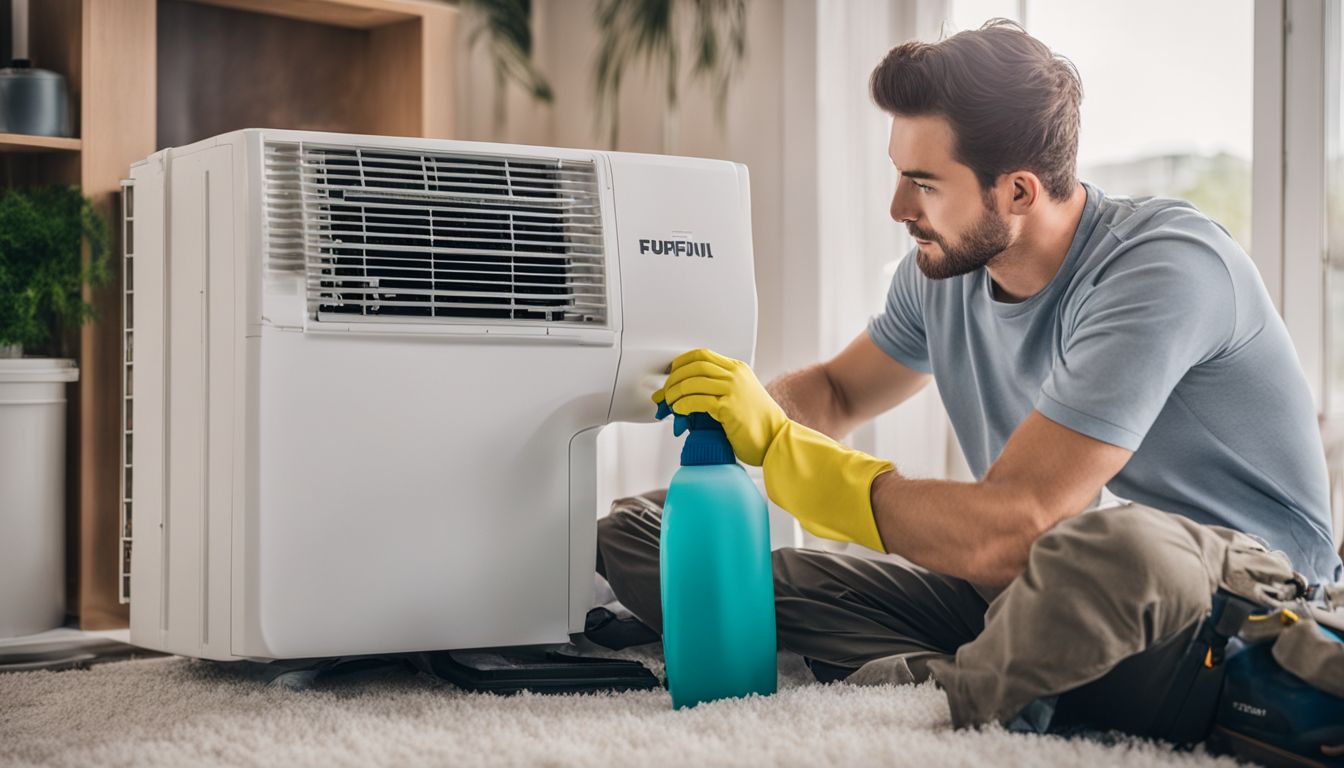
Keeping your air conditioner’s filters clean is essential for the unit to work at its best. Dust and debris that gather on the filters can block airflow, making the system work harder, which leads to higher energy costs.
To maintain peak performance and efficient energy use, check your air conditioner’s filters monthly, especially during high-use periods like summer and winter. If they are dirty, either give them a good clean or replace them altogether.
A well-maintained air conditioning system not only saves energy but also ensures cleaner air in your home. Filters play a crucial role by trapping pollutants and preventing them from recirculating.
Over time, these particles build up and can hinder the efficiency of your AC unit if they’re not addressed. For those with built-in filters, it might be necessary to engage professional services for proper cleaning or replacement every few months to ensure optimum operation without interruption due to inconsistent temperatures or overworking components.
Servicing and proper installation
Getting your air conditioning system professionally installed sets the stage for long-term energy savings. Proper installation ensures that every component, from indoor units to outdoor evaporator coils, works efficiently without overexerting itself.
Moreover, it minimises risks of leaks and other issues that can drive up power consumption. Make sure installers position both the indoor and outdoor units away from direct sunlight and heat sources to maximise performance.
Regular servicing plays a vital role in keeping your AC running smoothly. Aircon professionals should check the system at least once a year to ensure everything is functioning as intended.
During these checks, they clean or replace filters, inspect dampers, and ensure no debris obstructs the airflow. This attention keeps your air conditioner’s energy usage low while extending its lifespan.
Schedule these services during off-peak seasons to avoid any inconvenience during hot weather periods when you need your cooling most.
Conclusion
In the fight against high energy bills, your aircon can be a true ally. Adopt smart habits and watch the savings roll in. Embrace these changes; they lead to greater efficiency and comfort.
Remember, every degree and setting counts towards a lighter energy footprint. Make the switch to smarter cooling today for a cooler tomorrow.
Explore our comprehensive guide on practical tips for energy-efficient air conditioning for more hands-on advice.
FAQs
1. How can I make my aircon more energy-efficient?
You can programme your AC to run at optimal times, use shading on windows to keep the heat out and ensure it’s turned off when no one is home for better energy efficiency.
2. Can smart technology help save energy with air-conditioning systems?
Yes, using smart thermostats or Internet of Things (IoT) devices lets you control your AC remotely and could reduce standby power consumption.
3. What other household appliances should I consider for saving energy?
Opt for energy-efficient lighting, and home electronics like laptops or tablets that consume less power, and look into buying efficient washing machines and water heaters.
4. Is there a way to use my kitchen appliances without heating up my home?
Use your stoves during cooler periods of the day or cook outside if possible; also consider a clothesline instead of a dryer to minimise extra heat in the house.
5. Does reducing indoor humidity affect how well my aircon works?
Lowering relative humidity inside allows ACs to cool spaces more effectively — hot water usage can increase moisture levels so try shorter showers or cooler wash temperatures.
6. Are there simple habits I can adopt that don’t involve purchasing new equipment?
Definitely! Turn off lights when not needed, unplug chargers from sockets when they’re not in use, and regularly clean filters on ACs and other home appliances for better performance.