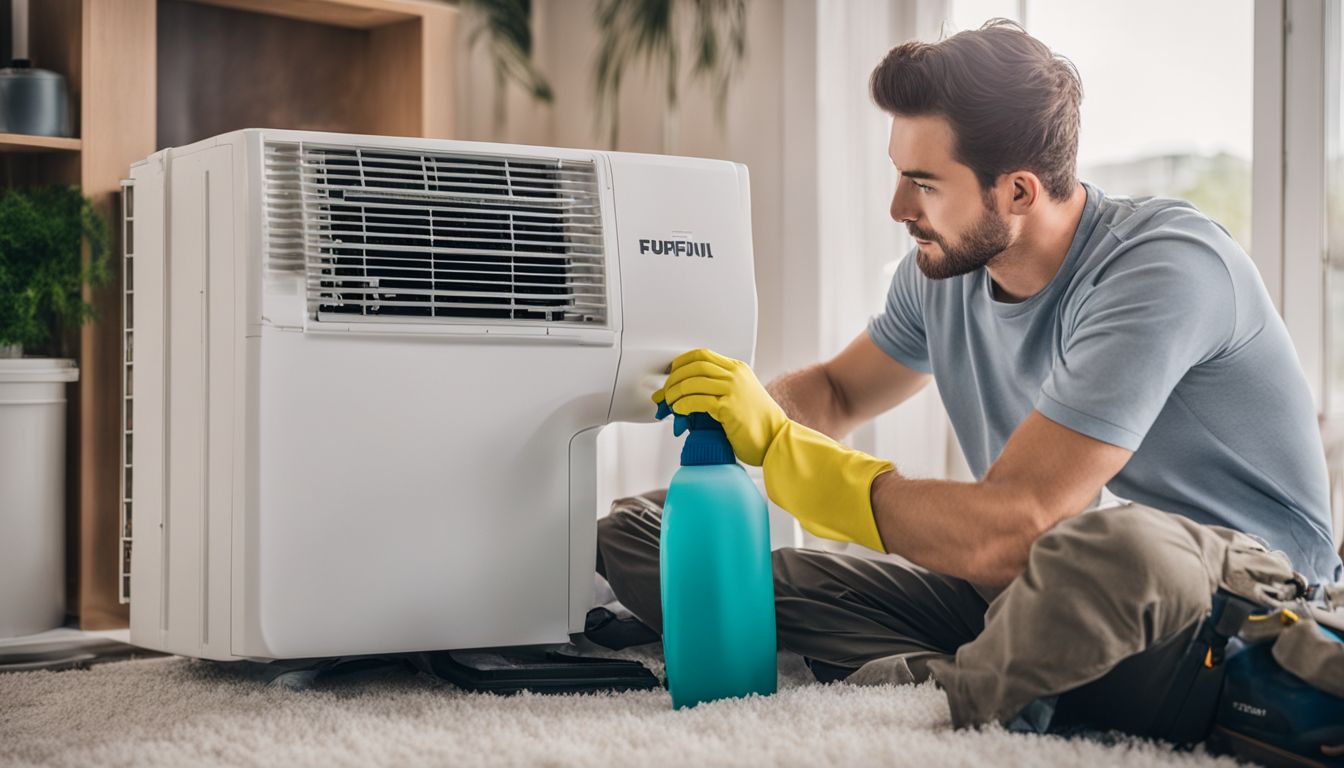
Is your air conditioner on the blink and you suspect it’s a circuit board issue? You’re not alone; short circuits are often to blame for aircon malfunctions. Our blog post is set to guide you through identifying common circuit board problems and giving practical solutions to get your air con humming again.
Keep reading – there’s a fix in store!
Understanding the Role of Circuit Boards in Air Conditioning Systems
Circuit boards in air conditioning systems act as the brains behind the operation. These printed circuit boards, known as PCBs, manage essential functions such as temperature control, fan speed adjustments and timing operations.
They ensure your living space remains cool by sending commands to compressors and motors based on the settings you choose.
These electronic hubs connect various components via conductive tracks, resistors and transistors. Without a properly functioning circuit board, an air conditioner may fail to start or could run erratically, leading to discomfort and increased energy bills.
In simpler terms, they play a crucial part in maintaining indoor comfort by efficiently coordinating all parts of the air conditioning system.
Identifying Common Aircon Circuit Board Issues
In the world of air conditioning, a faulty circuit board can be the culprit behind erratic cooling performance or complete system failure. Unmasking these common issues often requires a peek into the electrical heart of your unit, where signs of trouble may not always be visible to the untrained eye.
External Current Surge
External current surges act like uninvited lightning strikes to your air conditioning unit. They thrust high voltages into the delicate circuitry of printed circuit boards (PCB), often leading to significant damage.
Think of these surges as a tidal wave crashing into a peaceful river, where the PCB is the riverbank – unable to withstand such force without eroding. Electrical distribution networks or large appliances switching on and off can trigger these harmful spikes.
Your aircon’s first line of defence against external power supply mayhem includes surge protectors and circuit breakers. These devices are designed to shield electronic components from sudden onslaughts of electricity that exceed normal operating levels.
Without them, an external current surge could not only cripple your aircon but also pose serious risks to other connected electronic devices. Proper installation and routine maintenance go a long way in safeguarding against these electrical foes, so ensure your system is always up to snuff with help from licensed technicians who understand how to fortify its weaknesses before trouble hits.
Internal Current Surge
Internal current surges are a real threat to your aircon’s printed circuit board (PCB). These sudden spikes in electricity can come from within the device itself, often due to problems like a malfunctioning fan motor or a failure in the power supplies.
If these surges happen, they can cause immediate damage to the delicate electronic components on the PCB.
Your air conditioner relies on stable power to keep running smoothly. However, an internal current surge disrupts this balance and may even generate error codes that signal something is wrong.
The PCB could suffer from burnt solder joints or broken conductors, which would stop the normal operation of the HVAC system. Regular maintenance may catch these issues early before they lead to costly repairs or full PCB replacement needs.
Failed Wiring
Faulty wiring within your aircon can spell major trouble for the PCB, often leading to a complete system shutdown. Over time, wires can become frayed or disconnected due to wear and tear or accidental impact, disrupting the flow of electricity and causing malfunctions.
Technical knowledge is crucial when dealing with such electrical components; one wrong move could worsen the situation.
Technicians inspect every inch of wiring during an air conditioning service to ensure there are no hidden issues that could interrupt power transmission lines or cause electrostatic discharges (ESD).
It’s not just about fixing immediate problems; they reinforce connections and check grounding methods to prevent future incidents. Regular checks help maintain optimal performance levels and can significantly reduce replacement costs associated with damaged circuit boards in units like the Mitsubishi MXY-3A28VA.
Addressing and Fixing Circuit Board Problems
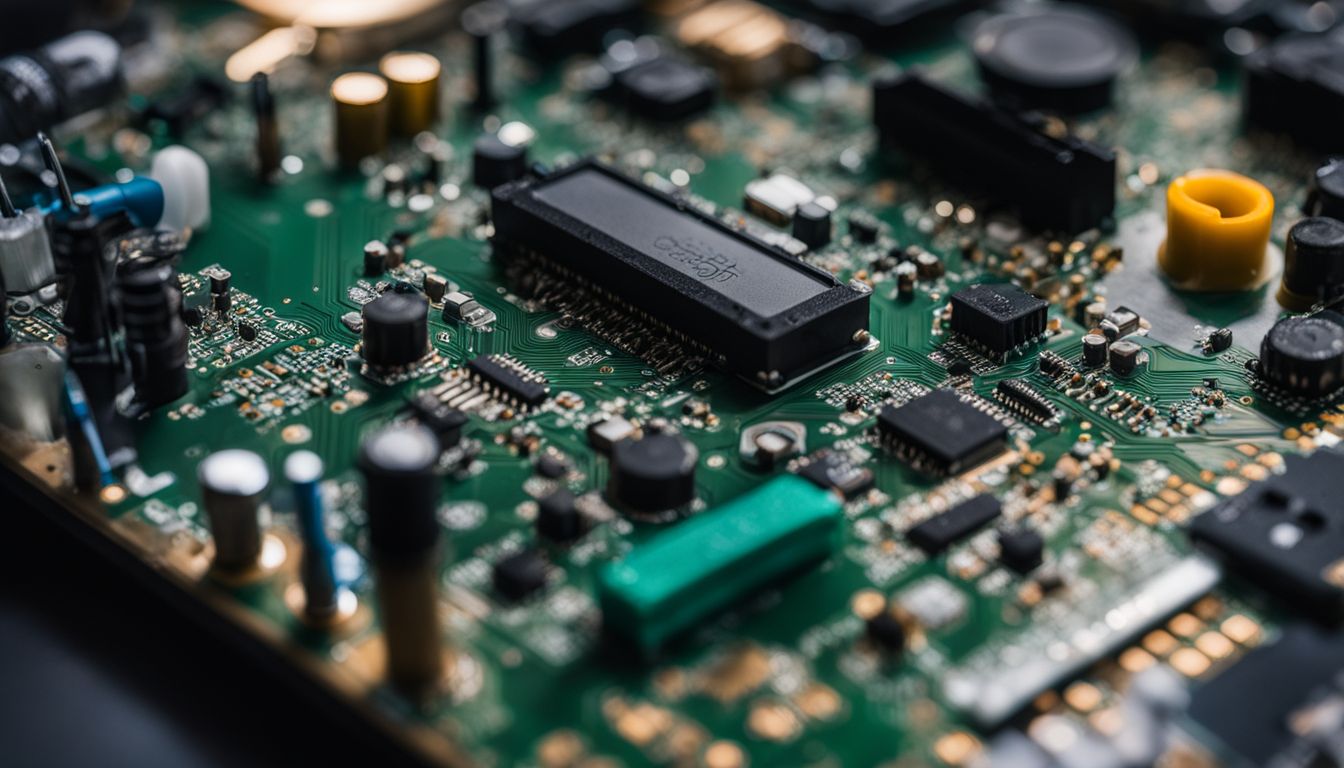
In case of a circuit board malfunction, pinpointing and remedying the fault is crucial; delve into our comprehensive guide on practical solutions to restore your aircon’s functionality seamlessly.
Troubleshooting the Circuit Board
Troubleshooting the circuit board in an air conditioner begins by carefully examining it for any signs of damage such as burn marks or corrosion. Use a multimeter to check for continuity and ensure the board receives power from the source.
If capacitors look swollen or leaky, they likely need replacing—a common issue that can lead to more serious circuit board failures. Ensure no loose wires are causing short circuits, and inspect solder joints for cracks that could interrupt data communication.
Confirm settings on the PCB are correct; improper configurations can cause control board issues like unexpected shut-offs or erratic cooling behaviours. Look for any electrostatic discharge (ESD) damage since static charges can fry sensitive components on a PCB. Repair might be needed if crucial parts have succumbed to ESD.
Checking the voltage regulator function ensures alternating current (AC) is being delivered at proper levels, preventing internal faults caused by electrical inconsistencies within your appliance’s intricate systems.
Repairing or Replacing Faulty Components
Diving into the heart of an aircon’s woes often leads to the circuit board, also known as a PCB. This key component controls most functions and requires careful attention when faulty.
If you have technical know-how and the right equipment, you can sometimes fix a broken PCB. Soldering tools might come in handy for reconnecting loose wires or replacing damaged parts.
Sometimes it involves dealing with tiny transistors or correcting issues on solder masks.
However, not all printed circuit boards are salvageable. Deciding whether to repair or replace one depends on several factors like cost and extent of damage. A new PCB ensures your air conditioner runs efficiently but may be more expensive upfront than a repair job.
On the other hand, attempting repairs on a severely damaged board might lead to frequent breakdowns later. In such cases, investing in a new or second-hand PCB from reputable Brisbane air-conditioning services could save you time and trouble in Sun City’s sweltering heat.
Implementing Preventive Measures for Circuit Board Issues
Discover how proactive steps and wise practices can safeguard your aircon’s circuit board from future disruptions, ensuring a longer lifespan and more efficient operation. Keep reading to unlock these essential tips for maintaining the heart of your cooling system.
Preventing Future Aircon Breakdowns: Essential Preventive Measures
Regular servicing of your aircon unit is a crucial step to avoiding breakdowns. Clean filters and evaporator coils allow for smooth operation, reducing the strain on the circuit board.
Schedule maintenance checks to spot potential issues early. Replacing worn-out parts before they fail cannot only save the air conditioner’s printed circuit board (PCB), which is its most expensive component but also avoid unexpected disruptions.
Shielding your system from power surges protects electronic appliances, including your aircon unit. Invest in surge protectors or uninterruptible power supplies (UPS) to guard against external and internal current spikes that could damage delicate electrical wiring.
By ensuring a consistent power source, you lessen the risk of blown fuses and other malfunctions that lead to costly repairs or replacements. Keep an eye out for signs of failing capacitors—both start capacitor and run capacitor—and replace them promptly to maintain optimal performance of your sun city air conditioning system.
Conclusion
We empower ourselves to maintain a cool and comfortable environment in tackling circuit board woes. Mastering quick fixes saves time and money, keeping our aircon units running smoothly.
By embracing preventive measures, we ensure the longevity of our systems. Let’s apply these solutions and enjoy seamless indoor air comfort. Our proactive approach paves the way for reliable and energy-saving air conditioning performance.
For further insights on safeguarding your system, explore our guide to preventing future aircon breakdowns with essential preventive measures.
FAQs
1. What causes aircon PCB failures in a workshop environment?
In a workshop environment, aircon PCB (Printed Circuit Board) can fail due to electrostatic discharge (ESD), power outages, or dust affecting the computer components controlling the unit.
2. How does a power failure affect my air conditioner?
Power failures can harm your air conditioner by disrupting its operation, potentially damaging the starting capacitor, which may prevent it from turning on smoothly.
3. Can I fix common issues with my aircon’s circuit board myself?
Some quick fixes might include resetting the system after power outages or replacing spare parts like fuses; however, complex problems may require professional attention to ensure safety and proper handling.
4. What are some energy-saving tips for using my CPU-controlled air conditioner?
For energy saving with your CPU-controlled air conditioner, regularly clean filters to maintain airflow and set appropriate temperatures so it doesn’t overwork in maintaining indoor air quality.
5. Should I be worried about electrostatic discharge when repairing my aircon at home?
Yes, you should take precautions against electrostatic discharge when working on your own repairs as ESD can damage sensitive electronic parts of the air conditioning unit’s internal computer.