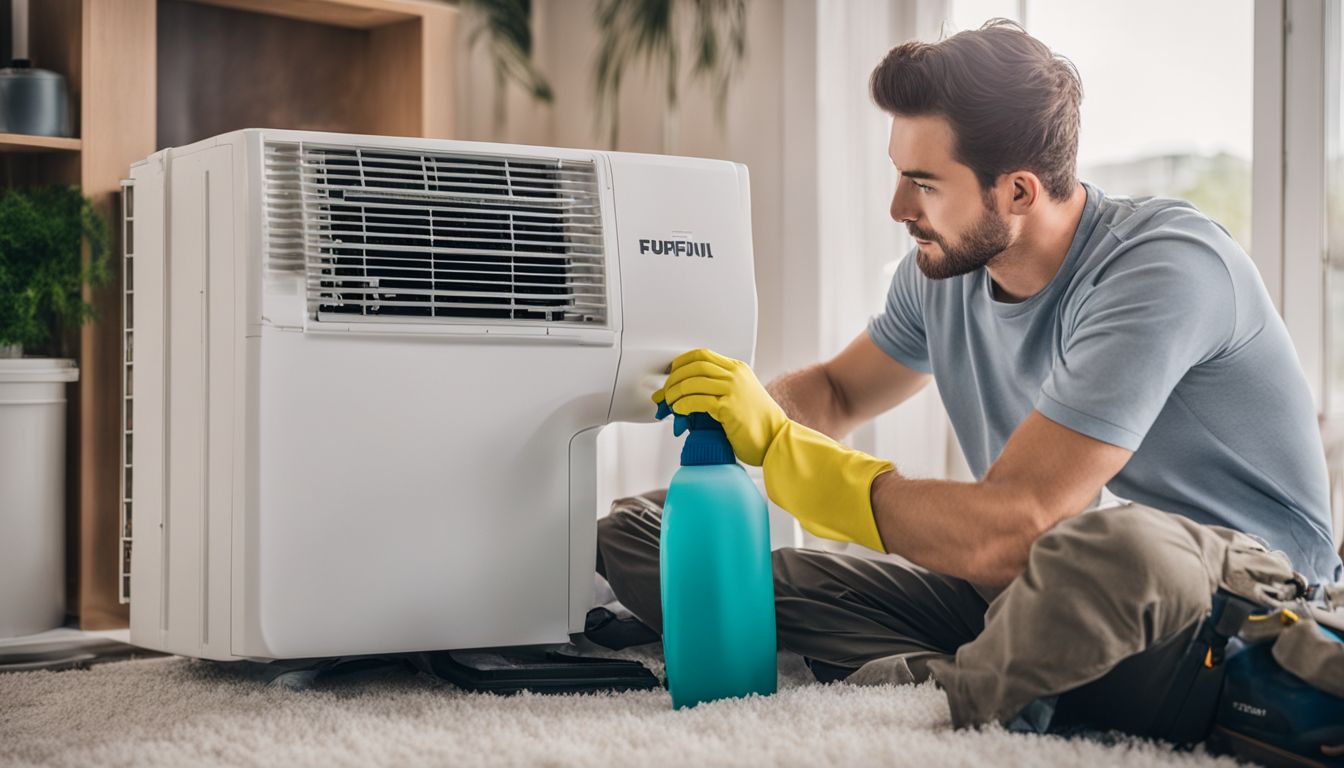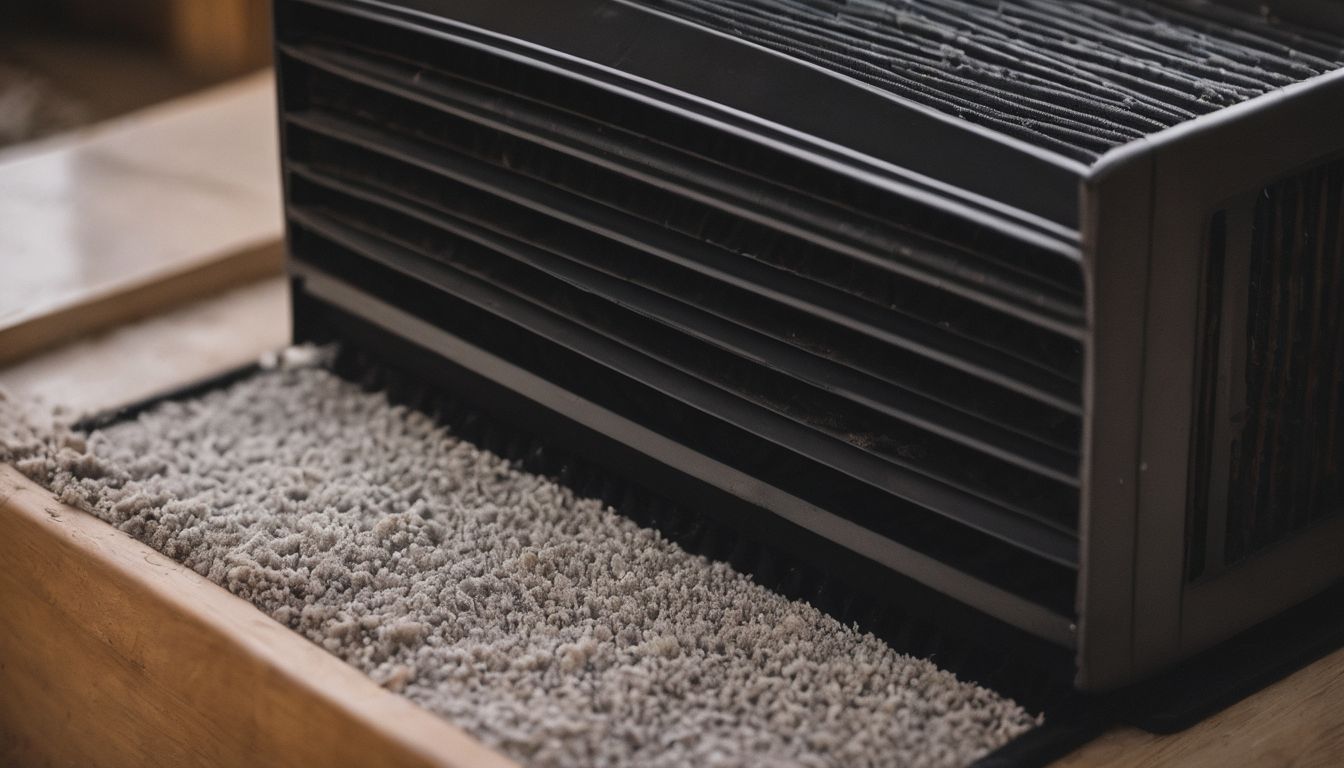
No one likes a stuffy home during hot summer days or chilly winter evenings. A dirty air filter in your air conditioner can be the culprit, hiking up energy bills and making rooms uncomfortable.
In this post, we’ll guide you through the troubles caused by neglected filters and how to keep your cooling system running smoothly. Keep reading – your AC’s health depends on it!
The Detriments of Dirty Filters to Your Air Conditioner

Neglecting the cleanliness of your air filters can lead to a myriad of issues within your air conditioning system, each compromising not only its performance but also affecting the health and comfort of your indoor environment.
From causing undue stress on the unit to recirculating pollutants, dirty filters are silent culprits behind both diminished air quality and increased energy costs.
Overheating and Reduced Energy Efficiency
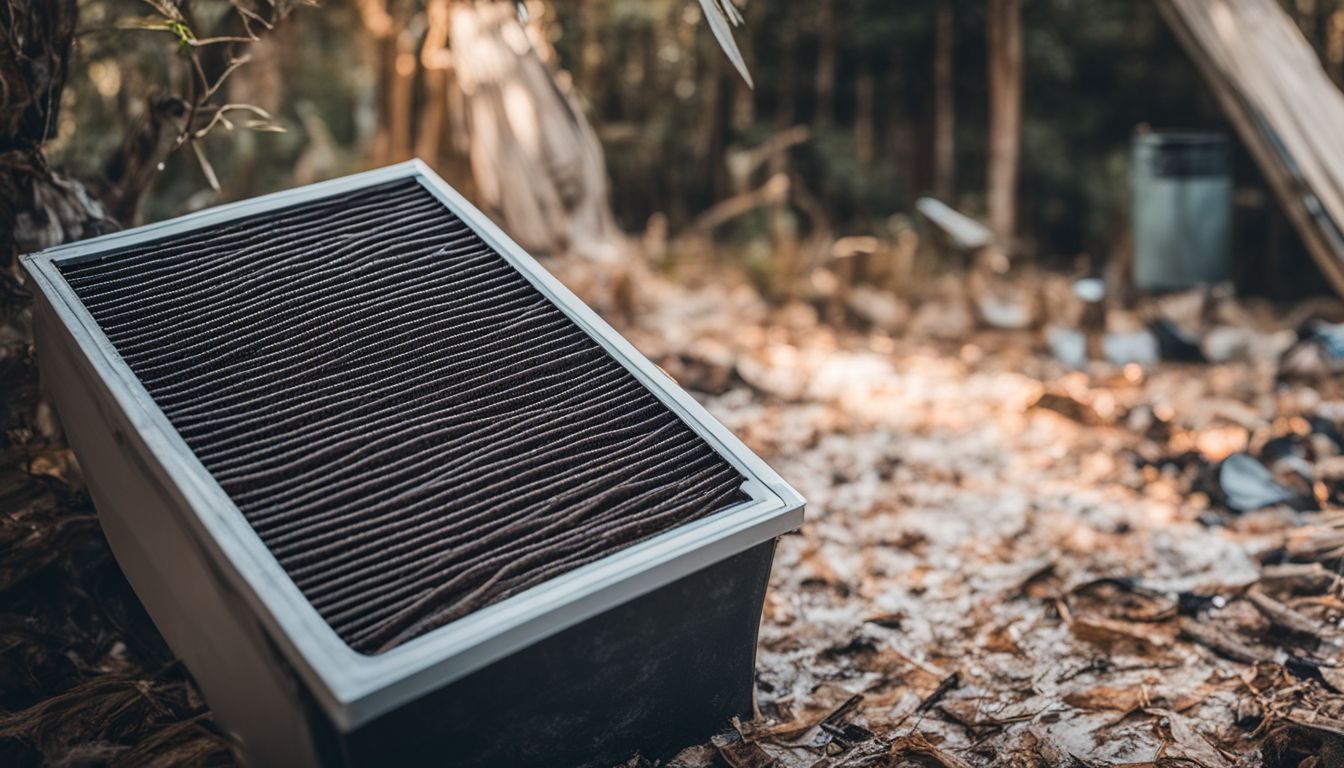
Overheating is a serious issue for air conditioners with dirty filters. Dirt and debris restrict airflow, causing the unit to exert more effort and consume extra energy to cool your home.
This added strain not only bumps up your utility bills but also puts your system at risk of overheating which could lead to costly damages or even complete system failure.
As the AC unit struggles against a clogged filter, it loses energy efficiency, undermining its ability to maintain comfortable temperatures efficiently. The fan inside must work harder and run longer, escalating wear and tear on components like motors and belts.
Consequently, this leads to more frequent repairs and shorter lifespans for your heating and cooling systems while diminishing indoor air quality by poorly filtering out allergens such as pet dander, pollen, and other airborne contaminants.
Health Risks and Poor Air Quality
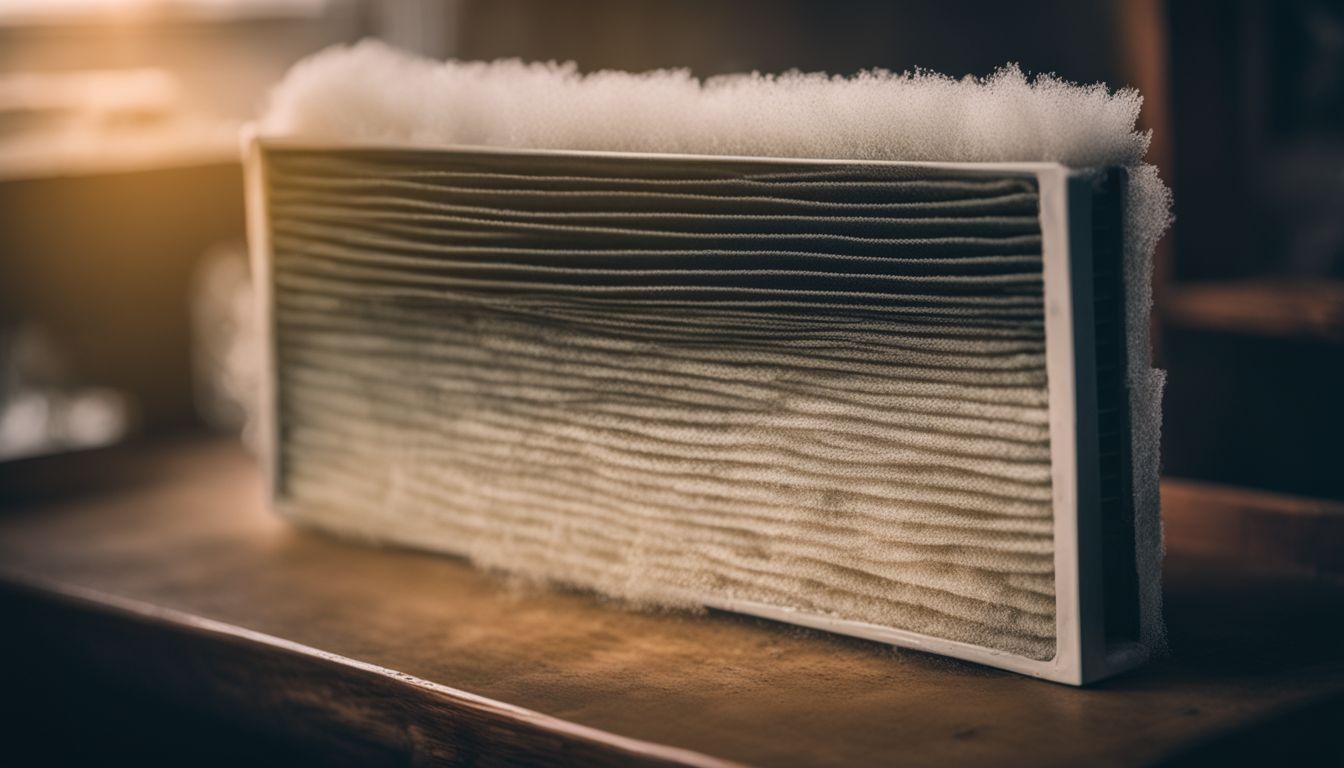
A dirty air filter in your HVAC system can lead to a cascade of health issues. Breathing in low-quality air filled with dust, pollen, and other pollutants often causes throat irritation and nasal congestion.
Regular exposure to these indoor air pollutants may even trigger asthma attacks or provoke allergic reactions.
Maintenance neglect allows mold, fungus, and various microorganisms to thrive in your air conditioner’s filters. These contaminants are then pushed into the rooms of your home, compromising the clean air you expect from your central air conditioning.
This not only reduces overall home comfort but also puts everyone at risk for respiratory diseases and worsens symptoms in individuals with existing conditions.
Understanding the Importance of Regular Filter Maintenance
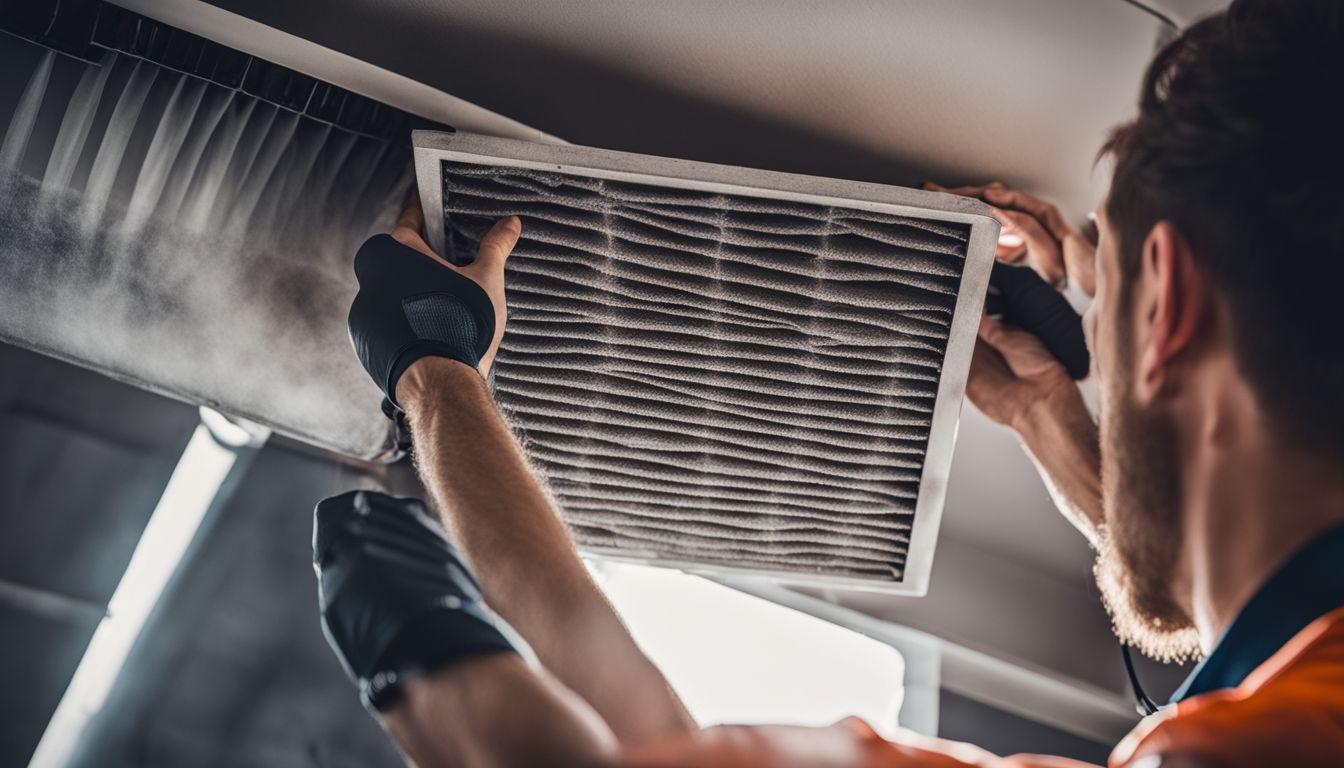 Regular filter maintenance is essential to the health of your air conditioner. Over time, filters can become clogged with dust, pollen, and other airborne particles. This build-up puts extra strain on your HVAC system as it works harder to push air through the blockage.
Consequently, energy consumption rises along with your utility bills.
Maintaining a clean filter helps prevent issues such as overheating which is often a result of restricted airflow caused by dirt accumulation. Frequent checks and replacements ensure that your air conditioning systems operate at optimal efficiency.
In addition to saving money on energy costs, this preventative measure reduces wear on the unit’s components, enhancing overall reliability.
Clean filters also contribute significantly to indoor air quality. They trap contaminants that can exacerbate allergies or respiratory problems resulting in a healthier living environment for you and your family.
Therefore, keeping up with regular maintenance routines recommended by the EPA—inspecting filters every three months—is critical not just for system performance but also for maintaining good health standards within your home.
Ensuring proper airflow through well-maintained filters plays a crucial role in extending the life span of an HVAC system. It prevents short cycling where frequent stops and starts place undue stress on the system leading to potential breakdowns.
Regular care keeps ductwork free from excess debris accumulation thus promoting efficient operation and lowering risks associated with poor ventilation such as mold growth or excessive condensation which could lead to water damage.
Significance of Regular Aircon Filter Maintenance
 Regular maintenance of your aircon filter plays a crucial role in preserving the system’s overall health and efficiency. A clean filter can prevent common issues like overheating, which not only hampers performance but could also lead to costly repairs or sudden breakdowns.
Keeping filters free from dust and debris ensures that your HVAC unit doesn’t strain unnecessarily, helping maintain a high SEER (Seasonal Energy Efficiency Ratio) rating for optimal energy use.
Apart from protecting the mechanics of an air conditioner, changing or cleaning filters regularly significantly improves indoor air quality. This is vital for individuals with allergies or respiratory issues who are affected by indoor pollutants.
Clean filters trap contaminants effectively, reducing the amount of dust, pollen and other allergens circulating through your home’s air ducts. Therefore, regular filter maintenance is essential to create a healthier living environment while supporting the longevity and proper function of your HVAC systems.
How to Identify if Your Air Conditioner Requires a Filter Cleaning

- Check for reduced airflow from vents; a clogged filter could be the culprit.
- Monitor the cooling performance; if it’s taking longer to cool down rooms, your filter might need attention.
- Examine the filter for visible dust build – up, which can signal it’s time for cleaning or replacement.
- Look out for unusual noises from the air handler; blockages often cause this symptom.
- Pay attention to any musty odours emanating from your AC unit as they suggest mould growth on a dirty filter.
- Notice an unexpected increase in energy bills; a struggling AC due to a dirty filter often uses more power.
- Observe any allergy flare – ups or respiratory issues that may be related to poor indoor air quality caused by an ineffective filter.
Steps for Maintaining a Clean Air Filter
Having a clean air filter is crucial for maintaining your air conditioner’s efficiency. It ensures that the airflow remains unimpeded and helps to reduce energy costs.
- Turn off the air conditioner before beginning any maintenance to prevent any accidents or damage to the system.
- Open the air conditioner unit gently to locate the filter; refer to your user manual if you’re unsure where it is.
- Inspect the filter carefully, checking for dust and debris that can block airflow and impair indoor air quality.
- If your filter has a high MERV rating and is reusable, wash it with mild soap and water carefully, then let it dry completely.
- For filters that are not washable, use a vacuum cleaner to remove as much dirt as possible from both sides without damaging the delicate material.
- Check all corners and edges of the air filter as these areas often collect more dust, ensuring they are thoroughly cleaned.
- Examine the thermostat settings after reinstalling a clean or new filter; improper settings can affect performance even with a clean filter.
- Set reminders for regular inspections – replacing or cleaning filters should be part of routine HVAC maintenance practices.
- Dispose of used filters properly according to local regulations; this helps in reducing environmental impact concerning waste management.
- Consider upgrading to filters with higher efficiency if consistent problems with indoor air pollution persist despite regular cleaning.
The Role of a Clean Filter in Enhancing Air Conditioner Efficiency
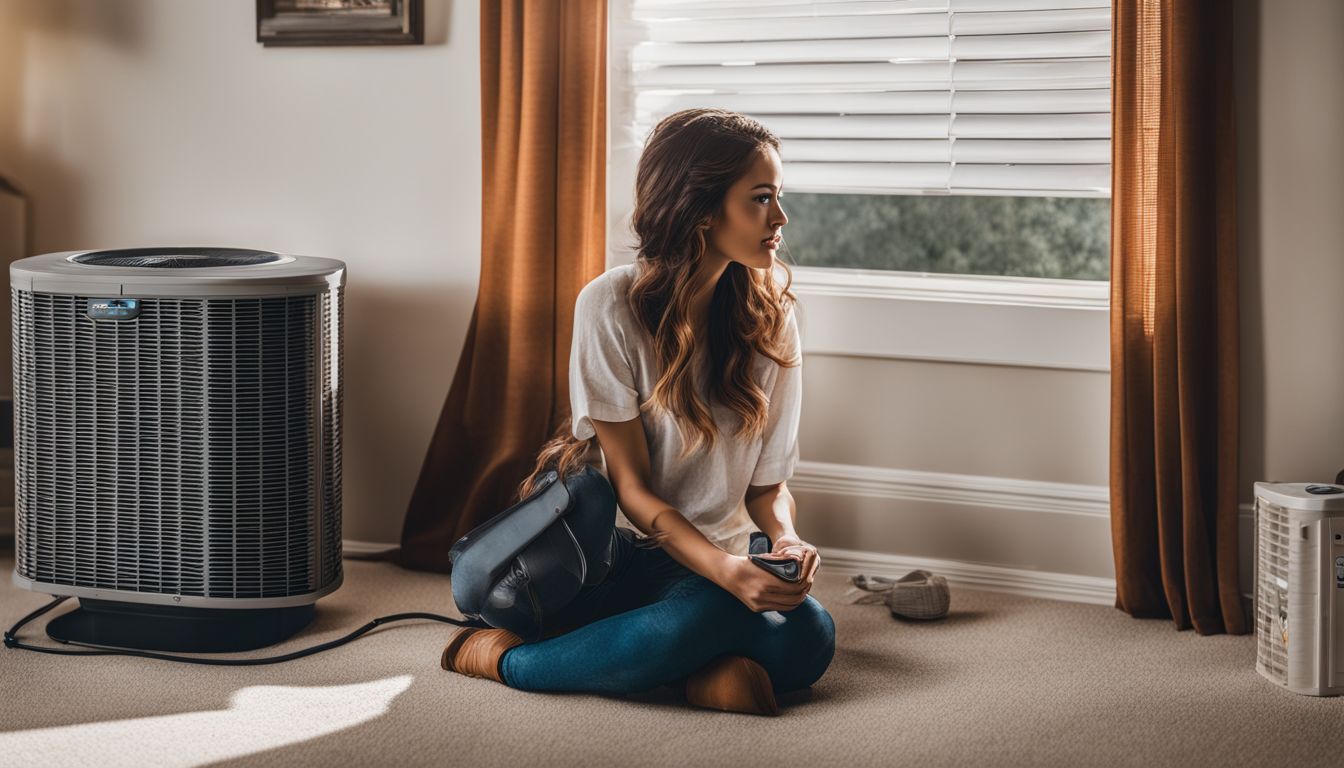
A clean filter ensures that your air conditioner doesn’t have to fight through dust and debris to circulate air. This smooth airflow allows the system to run effectively, consuming less energy while maintaining an optimal temperature throughout your home.
Clean filters uphold the health of your HVAC system, which could otherwise be compromised by contaminants clogging vital components.
Maintaining a pristine filter can lead to improved performance and longevity of your air conditioning unit. It directly influences the Minimum Efficiency Reporting Value (MERV) by ensuring that it consistently delivers high SEER (Seasonal Energy Efficiency Ratio) levels.
Consequently, this preventative maintenance step saves on costs and reduces environmental impact by slashing energy consumption. Regular checks and timely cleaning are key practices within the HVAC industry for peak operational efficiency.
Conclusion
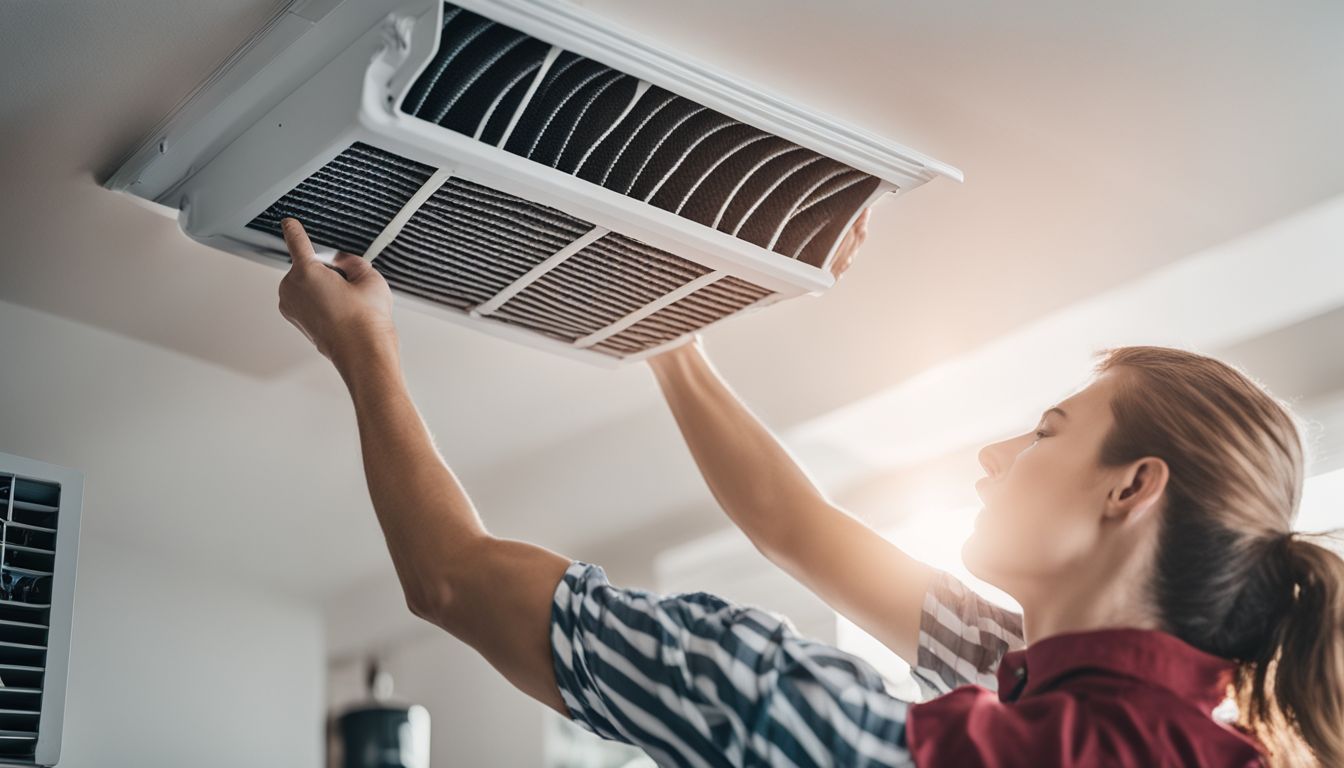
In conclusion, maintaining your air conditioner’s filter is crucial for the system’s health and your own. Overlooking this simple task can lead to a host of problems, from inefficiency to poor indoor air quality.
Remember to keep filters clean, ensuring your aircon runs smoothly and keeps energy bills low. Regular maintenance secures both comfort and cost-effectiveness at home. Make it a priority; your air conditioner will thank you with optimal performance.
FAQs
1. Why do I need to clean or replace my air conditioner’s filter?
Cleaning or replacing your air conditioner’s filter helps maintain high SEER (Seasonal Energy Efficiency Ratio) performance, ensuring your unit runs efficiently.
2. What happens if I ignore a dirty filter in my air conditioner?
Ignoring a dirty filter can cause your air conditioner to work harder than necessary, leading to increased energy use and possibly damaging the unit.
3. Can vacuuming the air conditioner filter be enough for maintenance?
Vacuuming can remove loose dust from an air conditioner’s filters, but complete cleaning might be needed for clogged filters affecting airflow and efficiency.
4. Does a blocked filter impact other home appliances like water heaters?
While a blocked filter primarily affects the air conditioning system itself, poor airflow can create uneven temperatures that may indirectly influence how appliances like water heaters operate in maintaining consistent hot water supply.