Many homes battle with dust and allergies, making clean air a top priority. Modern air conditioners now boast advanced filters to tackle these irritants head-on. This blog will guide you through the innovative filtration technology that keeps indoor air fresh and healthy.
Discover how modern aircon can transform your home into a haven of purity.
Understanding Air Filtration in Modern Aircon
Modern air conditioners tackle more than just temperature control; they also play a crucial role in cleaning our air. Air filtration systems within these units capture dust, pollen, and other pollutants before they can circulate around our homes or offices.
Clean indoor air is vital for good health, making effective filtration an essential feature of any modern air conditioning system.
Most modern units come with various filters designed to address various contaminants. Electrostatic filters use static electricity to attract particles, while activated carbon layers neutralise odours and chemicals in the air.
The inclusion of HEPA filters is particularly significant for those with allergies as they can trap tiny particles that traditional filters may miss. These innovations work together seamlessly within HVAC systems to ensure that what you’re breathing indoors is not only cool but also clean and safe.
The Role of Air Filters in Air Conditioning Units
Air filters are the unsung heroes of air conditioning units, essential for trapping pollutants and ensuring a stream of clean, fresh air in our homes and offices. They serve as the first line of defence against airborne impurities, greatly enhancing the indoor air quality we depend on every day.
Dust Filters
Dust filters are crucial in maintaining the air quality within your living spaces. They catch allergens such as pollen, pet dander, and fine dust floating around unseen.
By trapping these particles, dust filters enhance the indoor environment, making it healthier for everyone inside.
Over time, these filters can become clogged with the contaminants they’re designed to capture. This blockage forces your air conditioning system to expend more energy just to push air through.
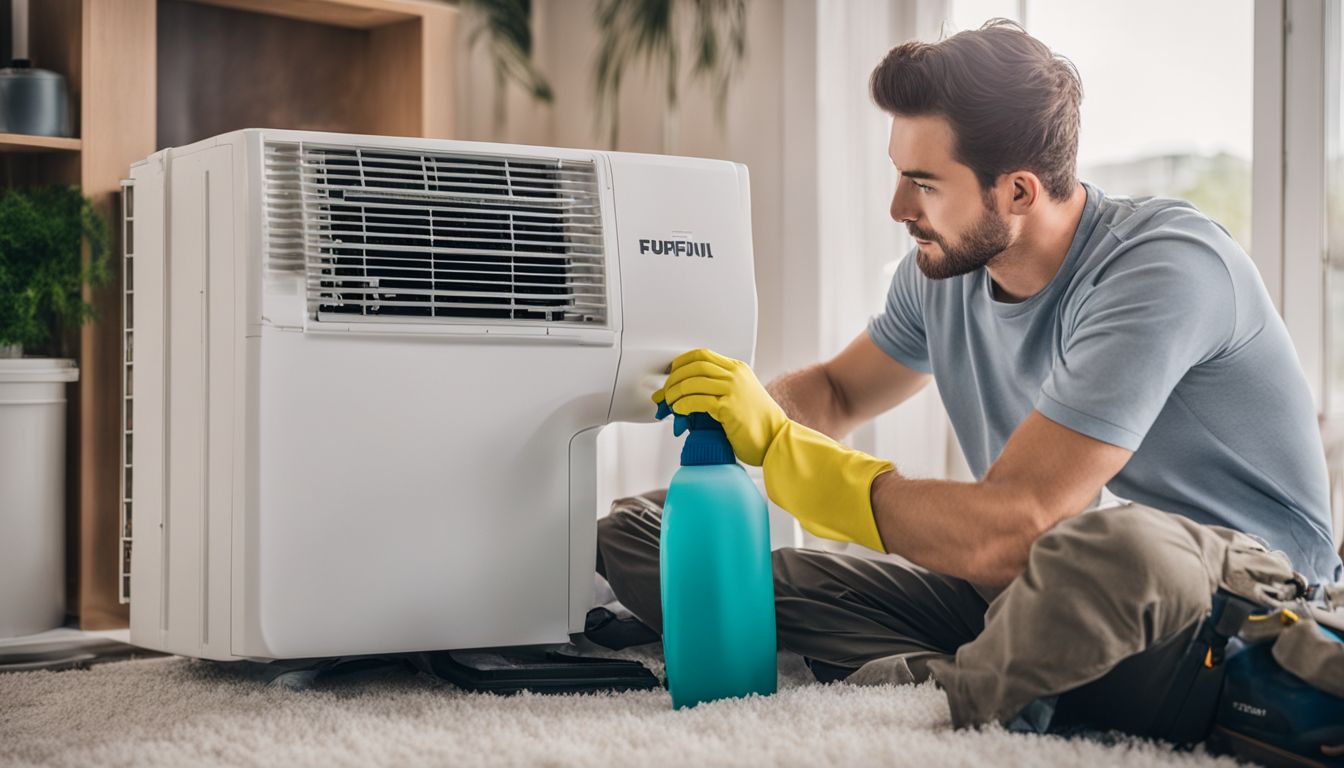
Regular maintenance is vital to avoid extra strain on your unit and ensure efficient heating and cooling. Some modern units come equipped with self-cleaning dust filters, which help prevent this build-up and preserve optimal performance without frequent manual cleaning.
Ionisation Filters
Ionisation filters are crucial in modern aircon units by releasing negatively charged ions. These ions latch onto airborne particles like dust, pollen, and smoke, making them too heavy to stay aloft.
As a result, these contaminants settle down faster and can be cleaned off surfaces or captured by other filters such as HEPA elements.
While ionisers help maintain cleaner indoor air by reducing airborne pollutants, they also pose a significant concern: they can increase small particulate levels through chemical reactions.
This problem highlights the importance of combining ionisation with effective filtration technologies to ensure high indoor air quality (IAQ) without compromising health. Ionisation features are often found in standalone air purifiers and integrated HVAC units to complement existing purification systems for superior climate control within indoor environments.
HEPA Filters
HEPA filters, standing for High-Efficiency Particulate Air filters, are a pinnacle in air purification technology. They’re designed to trap and hold fine particles that other filters may miss.
These include dust, pollen, mould spores, and other airborne contaminants that can affect your health. Their exceptional trapping ability ensures the air circulating through your home or office is significantly cleaner.
Utilising mechanical filtration methods, these high-efficiency filters push air through a dense mesh that captures unwanted particles. Their effectiveness makes them an ideal choice for people with allergies or respiratory issues who need the best quality of indoor air possible.
HEPA filters maintain energy efficiency in heating and cooling systems while providing superior sterilisation of stuffy air compared to standard dust filters.
Advanced Air Purification Technologies in Modern Air Conditioners
Modern air conditioning units now incorporate cutting-edge technologies beyond mere cooling, offering advanced air purification methods to ensure the air you breathe is free from contaminants; discover the innovative features that could revolutionise your indoor environment.
Streamer Technology
Streamer Technology transforms the air you breathe inside your home. Developed by Daikin Industries, this innovative approach to air purification is a game-changer in modern air conditioners.
It uses powerful electric fields to capture particles of contaminants. This ensures that the air in your living spaces is not just cool but also cleaner and healthier.
Daikin’s cutting-edge Streamer Technology has even made its way into commercial settings with impressive efficacy. Their UV Streamer kit boasts a 99.9% capture rate of pollutants and allergens, bringing advanced filtration right where it’s needed most.
Featured prominently in the Best Split System Air Conditioners for 2023, this technology marks a significant step forward in achieving energy-efficient indoor climate control with superior air cleaning capabilities.
UV-C Light
UV-C light plays a crucial role in modern aircon units, harnessing the power of ultraviolet radiation to improve indoor air quality. This technology targets microorganisms such as bacteria and viruses, breaking down their DNA and rendering them harmless.
Air conditioning systems equipped with UV-C purification ensure that the circulated air is not just cool but also cleaner and healthier. By integrating UV-C lamps within their designs, manufacturers provide users with an added sterilisation layer.
Incorporating this kind of purification system improves occupants’ health outcomes by significantly reducing airborne contaminants. Moreover, UV light in air conditioners has become more common due to its efficiency in eliminating pathogens without additional chemicals or filters.
As it operates silently behind the scenes, residents can enjoy peace of mind knowing that their living spaces have an extra shield against invisible threats lurking in the environment.
Leading Air Conditioner Brands with Air Purification Features
Air conditioner brands are racing to include air purification features in their models. These innovations help create cleaner air inside homes and offices whilst conserving energy.
- Panasonic leads the way with models like their 1.5-tonne 5-Star Wi-Fi enabled unit. This smart machine with advanced air purification filters ensures a healthier living environment.
- Daikin showcases its Streamer Technology, designed to break down pollutants at a molecular level, coupled with deodorising filters that tackle unwanted odours for fresher indoor air.
- Fujitsu introduces ionisation and catechin filters in their conditioners. These systems capture allergens and eliminate harmful bacteria, significantly improving the quality of the circulating air.
- Samsung uses HEPA filtration units, which trap microscopic particles, including pollen, dust mites, and tobacco smoke.
- LG incorporates UV rays into its AC systems to reduce microorganisms’ presence in the airflow, providing additional UV protection to maintain a hygienic atmosphere.
The Impact of Aftermarket Air Purifying Filters
Fitting aftermarket air purifying filters into existing air conditioning systems can dramatically elevate indoor air quality. These filters tackle airborne irritants, capturing everything from pet dander to pollen that might circulate through your home or office.
As they work, these filters make breathing easier for those with allergies and create a healthier environment for everyone inside.
Introducing activated carbon filters as an aftermarket addition is pivotal in absorbing harmful volatile organic compounds (VOCs) and neutralising unwanted odours.
Such advanced filtration technology goes beyond trapping particulates; it effectively cleanses the atmosphere within a room by removing chemical pollutants responsible for health issues and unpleasant smells.
Meanwhile, although HEPA filters are excellent at ensnaring microscopic particles, adapting them to existing AC units may require professional aircon services due to their specific design requirements for low airflow resistance.
Importance of Ventilation in Air Purification
Good ventilation is vital in air purification by replacing stale, contaminated indoor air with fresh outdoor air. Ventilation systems work hand-in-hand with modern air conditioning units to enhance the overall quality of indoor air.
Humans spend considerable time indoors, where pollutants can be more concentrated than outside. Effective ventilation ensures these contaminants are diluted and removed from our living spaces.
Incorporating energy-efficient HVAC systems with proper ventilation can save energy while maintaining clean air within our homes and offices. These systems often include MERV-rated filters that capture everything from large particles like pollen to tiny particulates contributing to poor air quality.
Moreover, specialised features like humidity control and dehumidification integrated into these systems further optimise the indoor environment, contributing positively to health and comfort.
Trends in Air Conditioning Technology
Trends in air conditioning technology are rapidly evolving, with modern systems offering remarkable features such as smart thermostats and UV radiation purification to improve indoor air quality and enhance user convenience—discover the future of comfortable living.
Energy Efficiency
Modern air conditioners are stepping up with energy efficiency at the forefront of design. These savvy machines cut down electricity use for cooling by as much as 50%, making a substantial dent in power bills and carbon footprints.
Smart thermostats play a crucial role here, allowing precise control over temperature settings and reducing energy consumption when you’re not home.
Energy-conservation technologies now integrated into HVAC systems have proven to double average AC efficiency. This leap forward could slash global cooling energy demand by up to 45%.
Moreover, improvements like programmable timers and multi-stage cooling options allow users to tailor their climate control whilst optimising power usage, ensuring comfort does not come at an environmental cost.
Adjustable Thermostat
An adjustable thermostat stands at the forefront of energy-efficient climate control, allowing homeowners to tailor heating and air conditioning settings to their comfort levels.
This smart technology goes beyond manual adjustments; users can program their HVAC systems to change temperatures at different times of the day or night, ensuring a comfortable environment while reducing energy consumption.
Smart thermostats provide the convenience of voice control and Wi-Fi connectivity, adding layers of functionality that were once unimaginable. With these gadgets, you can adjust your home’s temperature from anywhere using a mobile device.
They offer significant savings on utility bills by learning your schedule and preferences and automatically making eco-friendly adjustments without sacrificing comfort.
Multi-Stage Cooling
Multi-stage cooling systems are revolutionising the way we control indoor climates. Unlike traditional air conditioners that operate at a single fixed speed, multi-stage units adjust their cooling output to match the current demand.
This smarter approach improves comfort levels and significantly reduces energy consumption, making them more energy efficient.
Experts like Sneha Sachar argue that these sophisticated systems easily tackle complex cooling challenges. They use advanced technology to deliver just the right amount of cool air needed for varying conditions throughout the day.
As HVAC technologies evolve, multi-stage cooling is paving the way towards a future where temperature regulation is both precise and economical.
Programmable Timer
Modern air conditioners with programmable timers revolutionise how we cool our homes. These smart devices allow users to set specific times for their air conditioning units to turn on or off, ensuring a comfortable temperature awaits them without wasting energy throughout the day.
This feature is particularly useful for maintaining a consistent climate while managing electricity bills more effectively – no more forgetting to switch off the AC before leaving home!
Programmable timers also synchronise seamlessly with other tech advancements in HVAC systems. They offer increased flexibility and control over indoor environments by adjusting temperatures according to daily schedules or even detecting when occupants are in the room.
With these intelligent solutions, your cooling system works smarter, not harder, benefiting your wallet and the environment by significantly reducing energy consumption.
Air Purification
Air purification is a standout feature in today’s aircon units, aiming to tackle pollutants that constantly compromise indoor environments. With nanofiber filters and UV-C disinfection leading the charge, these cutting-edge technologies capture tiny particles and neutralise harmful microorganisms.
They work tirelessly, filtering out dust and pollen and even reducing the risk of skin ageing by limiting exposure to damaging ultraviolet (UV) radiation.
Many air conditioners now have HEPA filters that snare particles as small as 0.3 microns—far finer than human hair. These high-efficiency particulate air filters are at the heart of battling poor air quality inside our homes and workplaces.
Meanwhile, innovations like activated charcoal layers absorb odours and chemicals, providing a breath of fresh air beyond simple temperature control. Such advanced purification systems are essential for spaces like data centres where clean airflow is about comfort and operational safety.
Current Trends Shaping the Landscape of Air Conditioning Technology
Eco-friendly materials and refrigerants are now central to developing air conditioners, reflecting a global push towards reducing carbon footprints. Manufacturers craft systems that use less power while delivering top-notch performance, helping consumers save on energy bills.
Smart thermostats have soared in popularity; they adjust temperatures based on user behaviour and optimise cooling schedules to reduce energy consumption.
Quiet operation is another key trend – nobody wants a noisy air conditioner interrupting their peace. Companies invest heavily in technology that minimises sound output without compromising efficiency.
Air source heat pumps exemplify this balance by providing heating and cooling solutions with minimal environmental impact, signalling an exciting direction for future innovations in climate control technologies.
Conclusion
In summary, modern air conditioners are not only cooling sanctuaries but also guardians of air purity. They come equipped with cutting-edge technologies to tackle pollutants and maintain a healthy indoor atmosphere.
Brands continue to innovate, integrating sophisticated filters and features that cater to our well-being. Embrace these advancements for cleaner air at home or work. After all, fresh breathing spaces contribute greatly to our overall quality of life.
Discover more about the latest trends shaping the landscape of air conditioning technology and how they could influence your next purchase.
FAQs
1. What is a MERV rating in aircon systems?
A MERV rating, which stands for Minimum Efficiency Reporting Value, tells you how good an aircon’s filter is at trapping airborne particles.
2. How do HEPA filters improve air quality?
HEPA filters, or high-efficiency particle air filters, catch tiny dust and pollen to make the air inside your home cleaner.
3. Can modern aircones reduce energy use?
With a programmable thermostat, modern heating, ventilation and air conditioning units can lower power bills by managing when and how much they run.
4. Does my home’s HVAC system help with water purification?
No, directly – while your HVAC system works hard to filter the air through MERV-rated technology, it doesn’t clean water – that’s a job for separate water purification systems.