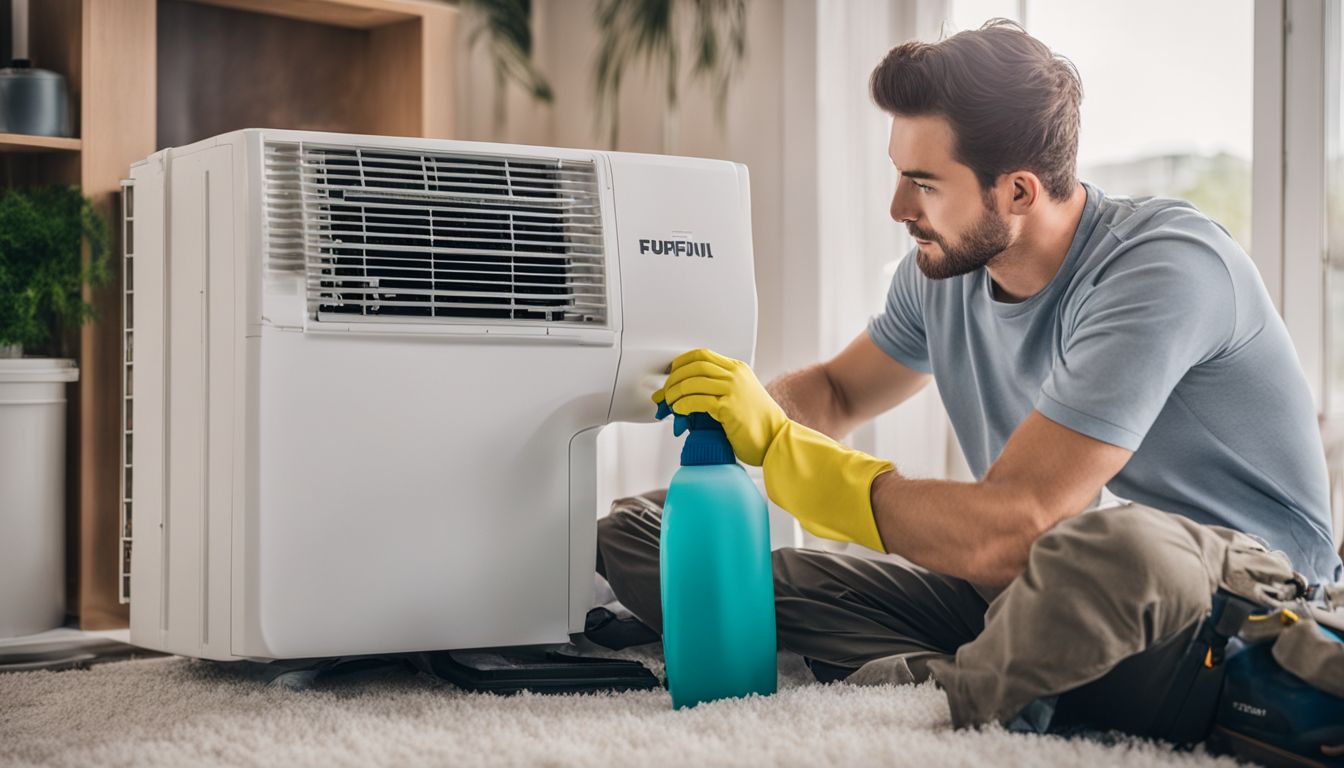
Are you puzzled about when to swap out the aircon filter in your home? HVAC experts agree that typical household air filters need changing every 90 days. This article will guide you through the steps to ensure your air quality stays fresh and your energy bills are low.
Keep reading for clean air secrets!
Importance of Regularly Changing Aircon Filters
Keeping your aircon filters fresh is essential for a healthy living environment. Dirty filters can trap pollutants, including dust, pollen, and pet dander, compromising indoor air quality.
When these contaminants accumulate, they can aggravate respiratory conditions like asthma and allergic rhinitis. Fresh filters help ensure the air circulating through your home is as clean as possible.
Swapping out old aircon filters also boosts your HVAC unit’s performance. A clogged filter restricts airflow, forcing the system to work harder and use more energy to maintain desired temperatures.
This leads to higher electricity bills and puts extra strain on the heating and cooling components, potentially shortening their lifespan. Regular filter replacement keeps your HVAC system running efficiently and saves you money on repairs and energy costs.
General Recommendations for Filter Change Frequency
To maintain your air conditioning system running smoothly, replace the air filter every three months as a basic rule of thumb. This duration ensures that airflow is not restricted and energy efficiency remains optimal.
If anyone in your household suffers from allergies or respiratory ailments, consider changing your filters more frequently; every 45 days can greatly improve indoor air quality.
For those households without allergy sufferers, checking your filter monthly might be sufficient to assess if it needs replacing sooner. Pleated filters, known for trapping smaller particles like mould spores and smog, usually need replacement between three to six months, depending on use and the presence of pets or dust in the environment.
Always ensure you match your new filter with the correct minimum efficiency reporting value (MERV rating) recommended for your AC unit to keep pollutants at bay and safeguard against any potential damage to ductwork from clogged filters.
Your aircon’s filter change schedule may vary widely due to various elements unique to your living environment. It is crucial to understand what specifically affects your system.
Presence of Pets
Pets in your home add warmth and companionship, but they also bring fur and dander that can find their way into your air conditioning unit. This buildup strains the system’s ability to function efficiently and can shorten its overall lifespan.
Frequent changes of air filters are necessary to maintain a clog-free, smooth-running air conditioner when you share your space with animal companions.
Animal owners should know that their fluffy friends could mean more work for their heating, ventilation, and air conditioning systems. To keep the cleanest air circulating through your rooms, inspect and replace those filters regularly—especially in a house bustling with pets’ activities.
The increased presence of pet hair in the ducts demands vigilance; otherwise, reduced airflow might hit you with higher energy costs and potent allergens trapped indoors.
Number of Occupants
The number of people living in your home greatly affects how often you should change your aircon filter. A house bustling with kids and adults tends to circulate more dust, skin flakes, and fibres from textiles and clothing.
These particles clog filters much faster than in homes with fewer residents. Therefore, if your residence is always full of activity, consider checking your air conditioning unit’s filter every few months.
Families large in numbers or houses that frequently entertain guests may need to replace their aircon filters as often as every three months. High occupancy levels result in greater indoor air pollutants such as dander, hair, and microscopic fibres floating around the house.
These can quickly fill up an air filter, reducing its efficiency and the overall performance of the heating and cooling system. Regular changes will help ensure clean indoor air quality while maintaining optimal energy savings for heat pumps or central air conditioners.
Allergy or Asthma Sufferers in the House
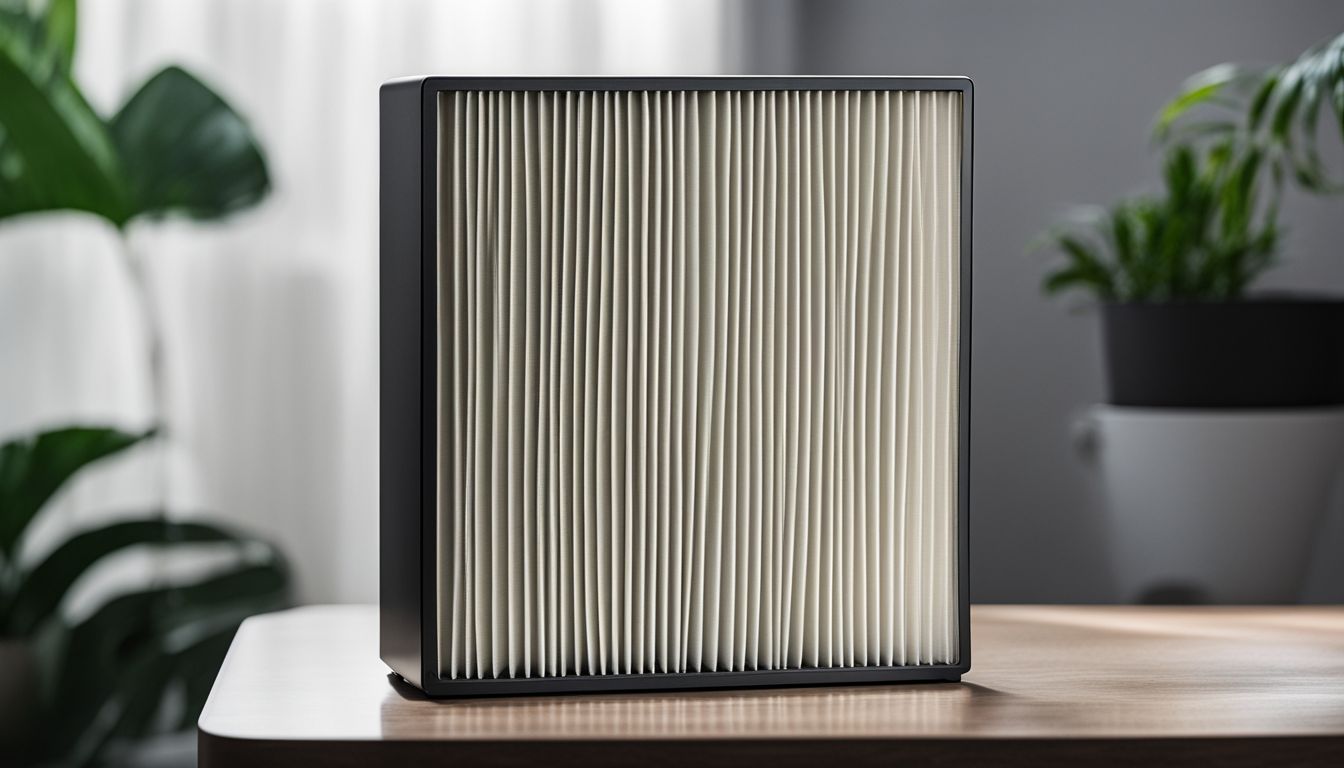
Clean air becomes even more crucial to maintain if someone in your home struggles with allergies or asthma. Dust mites and other allergens that accumulate in dirty filters can trigger symptoms, making it vital to opt for a frequent replacement schedule.
Experts suggest changing your filter monthly to help alleviate runny nose, irritation of the eyes, and other allergy symptoms.
Choosing the right air filter also significantly affects those with respiratory issues. HEPA filters are highly efficient at trapping airborne particles that could worsen asthma or cause allergic reactions.
Regularly replacing these filters ensures your indoor air is as clean as possible, providing relief and comfort for allergy and asthma sufferers living under your roof.
Frequency of Aircon Use
The amount you use your air conditioning units directly affects how often you should replace the filter. Heavy usage, especially during hot summers or if you live in a warm climate year-round, demands more frequent changes.
Typically, filters may need swapping out every month for homes where the aircon is running almost non-stop to ensure efficient performance and maintain good indoor air quality.
Families turning on their aircon systems just occasionally will find their filters last longer. In these cases, checking them each season might be sufficient. It’s crucial to monitor your system’s workload; periods of intense use can mean a filter gets clogged with dirt and debris faster than expected.
Quick visual inspections help spot when it’s time for a change – don’t wait until airflow seems reduced or the air starts feeling stuffy before acting.
Recognising Signs Your Air Filter Needs Replacing
- Unusual noise comes from the air vents as clogged filters restrict airflow, causing the system to strain.
- Dust accumulation around the home becomes noticeable, especially near air vents, indicating the filter is no longer trapping particles effectively.
- A spike in energy bills suggests that the system works harder to circulate air through dirty filters, reducing efficiency.
- Family members experience increased sneezing or respiratory issues due to allergens and pollutants recirculating in the indoor air.
- The cooling capability of your room declines as obstructed filters impede the flow of cool air, making it feel less comfortable.
- Musty odours develop throughout your home; this could mean mould spores or mildew are not being captured by a saturated filter.
- Inspecting the filter shows a visible grey film over its surface, which typically means it’s full of dust and needs replacement.
The Expected Lifespan of Various Types of Air Filters
The expected lifespan of air filters varies widely based on their type and the environment in which they’re used. Below is a summary of different air filters and their general life expectancy.
| Type of Air Filter | Expected Lifespan |
|---|---|
| Standard Fiberglass Filters | 30-60 days |
| Pleated Air Filters | 90-180 days |
| Filters for Allergy Sufferers | Every 30 days |
| High-Efficiency Particulate Air (HEPA) Filters | 6-12 months |
| Washable Air Filters | Wash every 30 days; replace every 3-5 years |
| Electrostatic Filters | 90 days to 6 months |
| Media Filters | 6-12 months |
Each filter type serves different needs and its efficiency changes with regular use. Follow manufacturer guidelines and consider the factors mentioned previously to determine optimal replacement times. Regular filter changes ensure better indoor air quality and more efficient air conditioning performance.
Choosing the Appropriate Air Filter for Your Needs
Navigating the maze of air filters available can be daunting, but selecting one that aligns with your specific circumstances is crucial for maintaining a healthy indoor environment.
It’s all about understanding which filter matches your home’s demands and will best tackle the particular pollutants you wish to keep at bay.
MERV 8 Filter
A MERV 8 filter is an excellent choice for homeowners looking to balance affordability with effective air filtration. It traps at least 70% of airborne particles ranging from 3.0 to 10.0 microns in size, easily capturing dust mites, mould spores, and pet dander.
This type of filter suits residential environments well, where moderate levels of filtration are needed without putting undue stress on the HVAC system.
Opting for a Daikin MERV8 air filter means investing in a product recognised for its high performance within forced-air heating and cooling systems. These filters help maintain cleaner indoor environments by reducing pollutants that affect home comfort and potentially aggravate allergies or chronic respiratory conditions like COPD (chronic obstructive lung disease).
With consistent use, they contribute to prolonging the lifespan of your HVAC equipment by preventing dirt accumulation that can impair efficiency over time.
MERV 11 Filter
MERV 11 filters offer a significant step up in air filtration compared to MERV 8, trapping finer particles and enhancing the indoor air quality of your home. They utilise thicker filter material, which allows them to capture more dust, pollen, mould spores, and other allergens that might circulate through your HVAC system.
This makes them an excellent choice for households with pets or individuals with allergies or asthma.
Homes in areas facing high levels of air pollution or those with heavy AC usage may find MERV 11 filters particularly beneficial. The rigorous testing procedures behind the MERV rating ensure these filters are reliable at keeping unwanted particles at bay.
With improved efficiency in filtering small particulates, they help maintain cleaner air while extending the lifespan of your HVAC equipment by reducing the strain on the system caused by airborne debris.
MERV 13 Filter
A MERV 13 filter excels at trapping tiny particles that can harm your indoor air quality. It’s superior for snagging bacteria, viruses, and fine dust before circulating through your home heating and cooling systems.
This level of filtration is a game-changer for those with allergies or asthma, as it captures more irritants than lower-rated filters.
Installing a MERV 13 pleated filter in your HVAC unit ensures that the air handler pushes out cleaner air while keeping the system running efficiently. Most modern household units are built to accommodate these high-performing filters without overworking the motor.
For optimal performance, experts recommend changing these filters every one to three months, depending on how heavily you use your AC system and other specific factors such as pets or the number of occupants in your house.
Regular changes prevent the dreaded musty odour often found in basements and ensure humidity is controlled throughout all seasons.
Selecting the Right Aircon Filter for You
Considering the variety of aircon filters on the market, you’ll want to choose one that suits your needs. If pets or someone in your home suffers from allergies, opting for a MERV 11 or MERV 13 filter can greatly reduce pet dander and allergens.
These higher-efficiency filters trap smaller particles and improve indoor air quality more effectively than standard fibreglass air filters.
For typical households without special health needs or pets, a MERV 8 filter offers adequate filtration and is easier on your wallet. Media filters are another great option; they last longer—about every 6 to 8 months before needing replacement—and provide superior dust control, essential if living in areas with high exterior humidity or during seasons when HVAC systems work overtime.
Remember that factors like how often you use your heating oil system or water heaters or engage in HVAC maintenance play a role in determining the ideal air filter for your home environment.
How to Change Your Aircon Filter
Changing your aircon filter is simple yet essential to maintain your system’s efficiency. Regular replacement ensures you’re not breathing in indoor air pollution and helps keep your AC running smoothly. Here’s how to do it:
- Turn off your air conditioning unit to ensure safety before you start.
- Locate the filter slot, which you’ll often find near the return duct or in the furnace cabinet for central systems.
- Open the slot cover gently; some may have tabs or screws holding them in place.
- Slide out the old filter by grabbing the edges — note how it fits so you can place the new one correctly.
- Examine the old filter for any build-up of dust and debris, confirming that it needs changing.
- Check the size on the edge of the used filter to know what size replacement you need.
- Purchase a new aircon filter that suits your needs—may be a MERV 8, 11 or 13 depending on your household requirements.
- Insert the new filter into the slot, ensuring that arrows indicating airflow direction match those on the unit.
- Securely close the slot cover back into its original position.
Benefits of Regular Maintenance of Aircon Filters
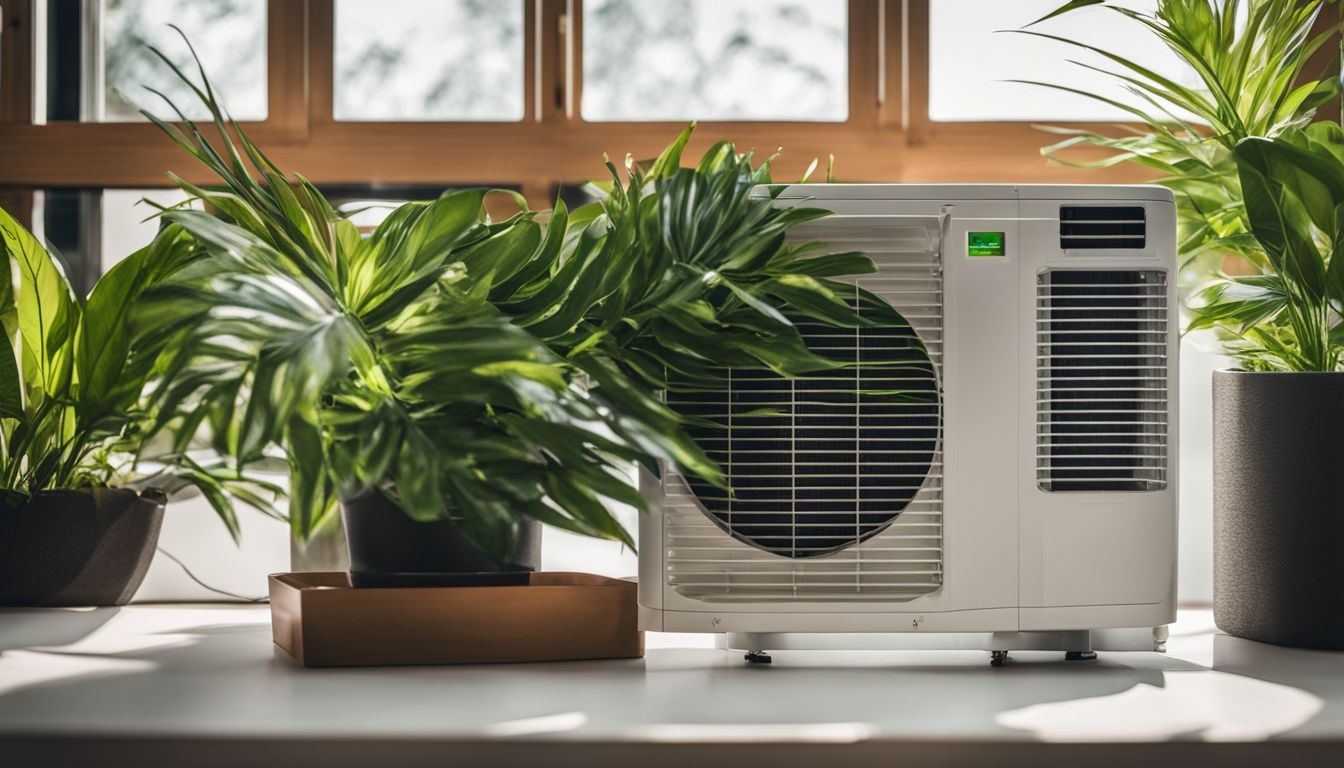
Regularly maintaining your aircon filters is key to preserving the unit’s overall health. A clogged or dirty filter forces the system to work harder, decreasing lifespan and potentially costly repairs.
By keeping filters clean, you can avoid stress on other air conditioner components, such as the evaporator coil and blower motor. This cautious approach could save you from unexpected breakdowns during peak hot weather when you need your cooling system most.
Properly cared-for aircon filters significantly improve indoor air quality by trapping airborne particles like dust, pollen, and pet dander. Individuals who suffer from allergies or respiratory issues particularly benefit from frequent filter changes, as it minimises irritants in their environment.
Moreover, clean filters are more effective at dehumidifying indoor spaces, creating a more comfortable atmosphere free from excessive humidity that can encourage mould growth and other moisture-related problems.
Conclusion
Having a clean aircon filter ensures your system runs efficiently. Change filters regularly to keep indoor air quality high. Remember, factors like pets and allergies may mean more frequent changes.
Make sure to consult HVAC professionals for tailored advice. Stay cool and breathe easy with proper filter maintenance.
To ensure your home’s air quality remains at its best, find the perfect aircon filter to suit your specific needs here.
FAQs
1. Why is it important to change my aircon filter regularly?
Changing your aircon filter ensures your heating, ventilation, and air conditioning (HVAC) system runs efficiently and protects it from dust build-up, which can reduce its lifespan.
2. How often should I request an HVAC technician for an AC tune-up?
You should ask a qualified HVAC tech for an AC tune-up at least once annually; they’ll check the water heater, gas furnaces or tankless water heaters if you have them.
3. Can the location of my aircon unit affect how often I change its filter?
Yes! If your aircon unit is in areas like an attic or spaces where natural gas and bioheat systems are used more frequently, changing filters might be needed more often due to higher airborne particles.
4. What signs indicate I need to replace my aircon filter immediately?
If you notice weaker airflow, strange noises when the system operates or an unexpected rise in energy costs, your current filter may be clogged and need immediate replacement.