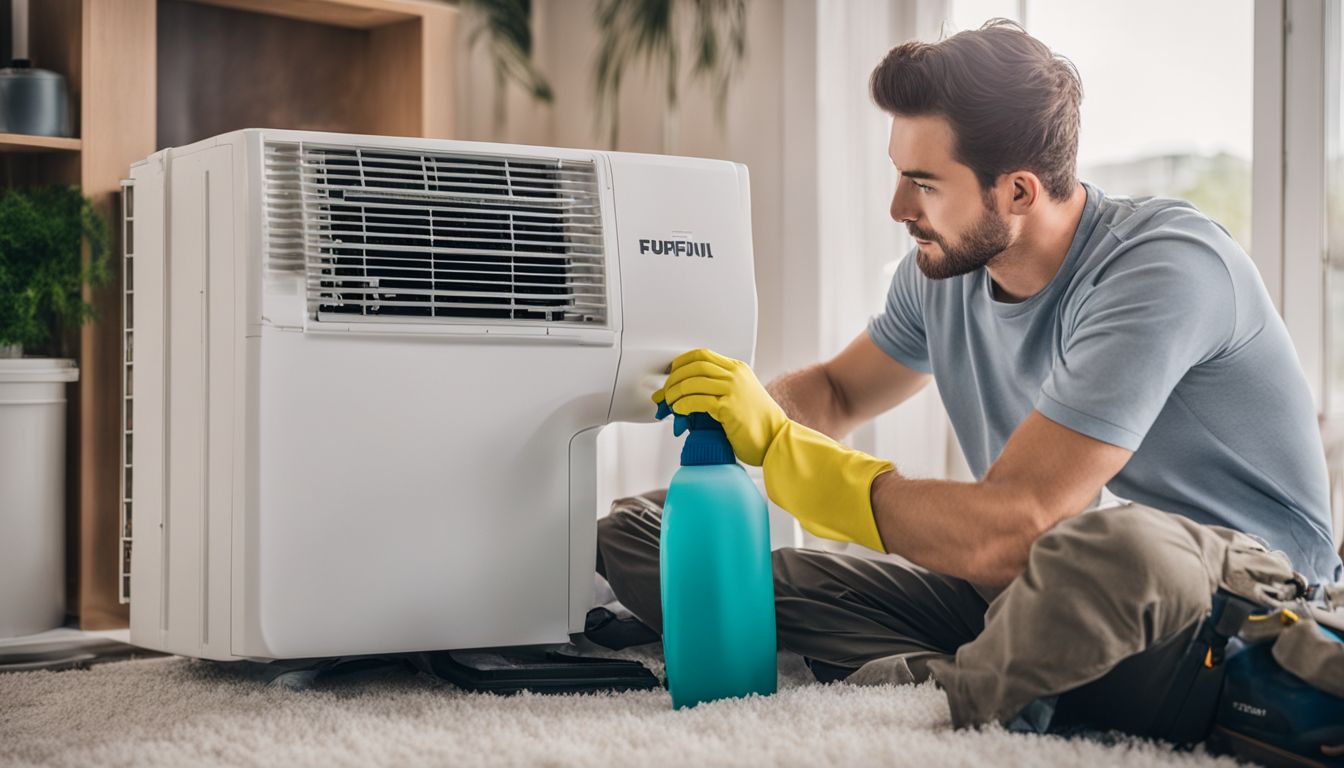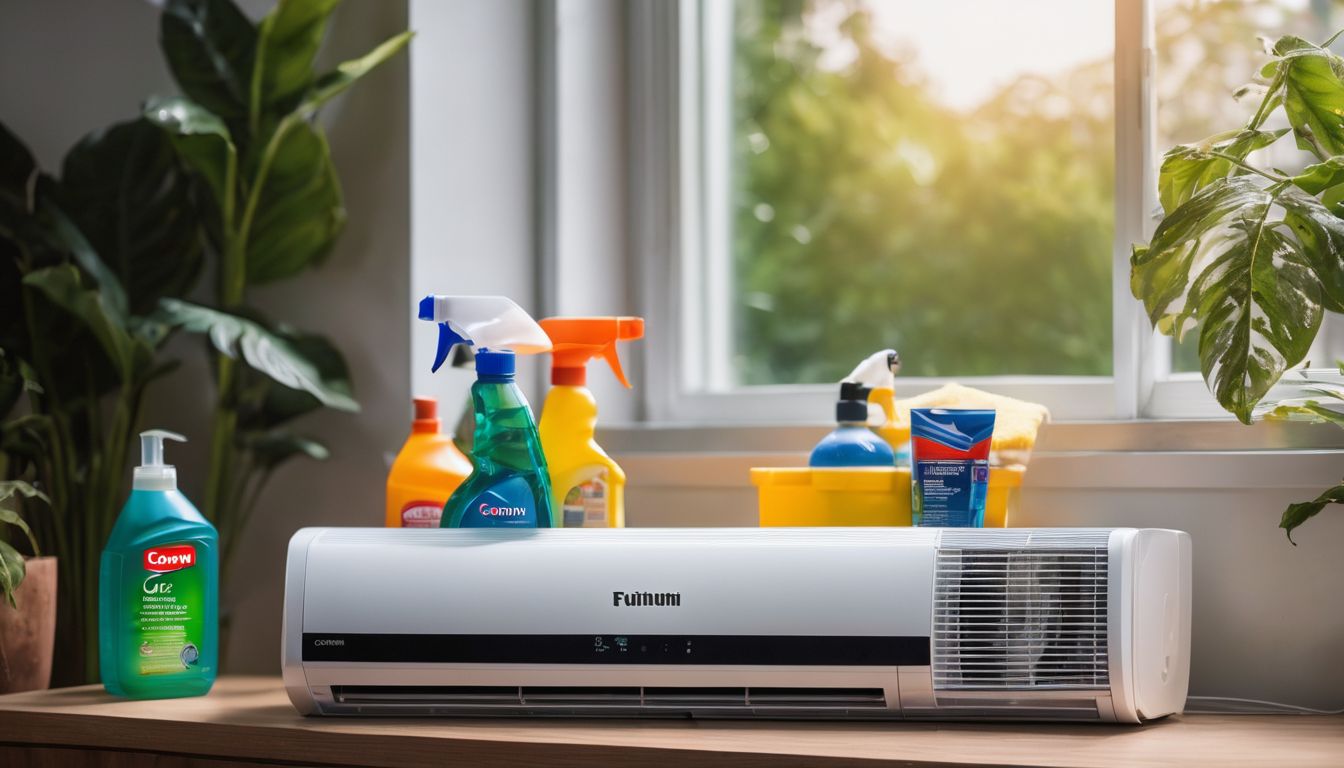
Aircon not cooling like it used to? A clogged filter could be the culprit, robbing your unit of efficiency and tainting indoor air. This guide breaks down the essentials, from cleaning to replacing filters, ensuring your air conditioner runs smoothly again.
Dive in for fresh, chill air at home!
Recognising the Signs of a Dirty Air Conditioning Unit
Discerning when your air conditioning unit requires attention can be simple if you know what to look for. Keep an eye out for tell-tale indications that suggest it’s time to inspect and possibly clean or replace your filters to maintain optimal performance and air quality.
Physical Indicators

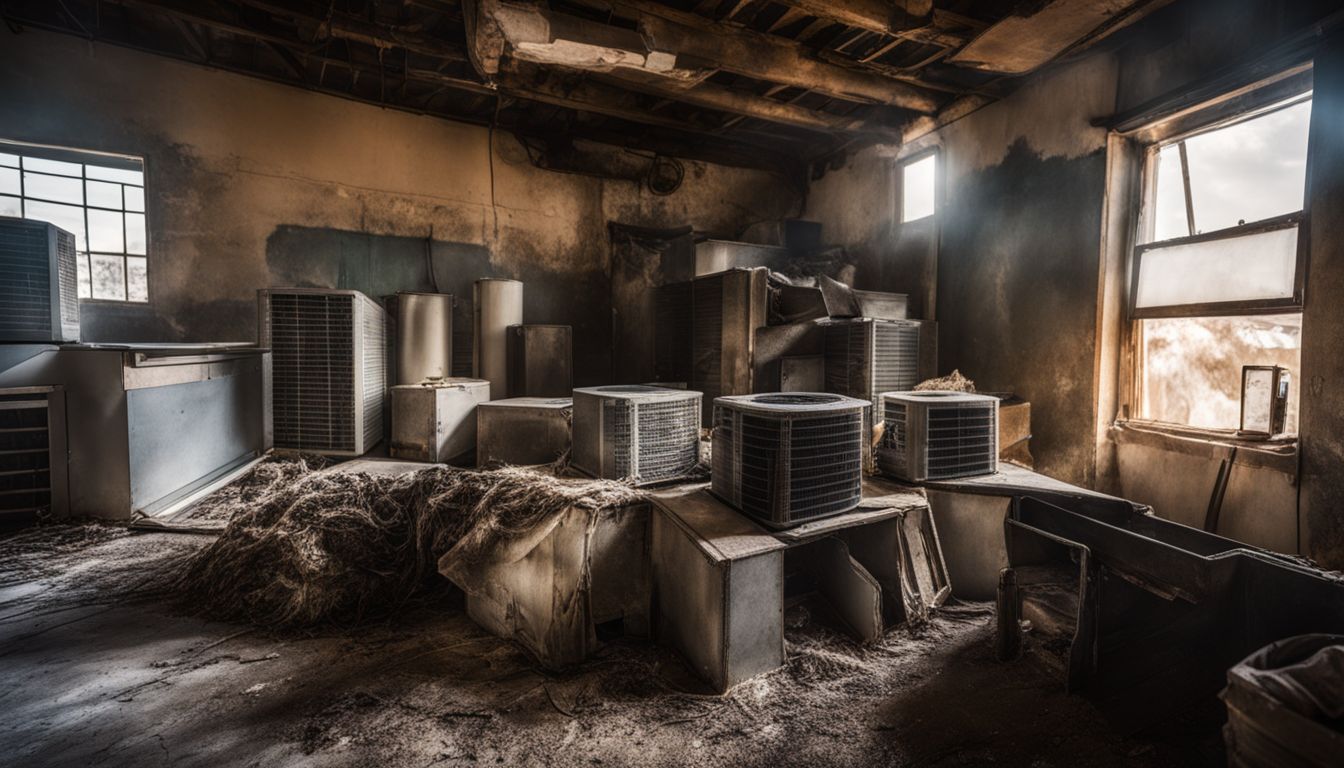
Dust and dirt accumulation on the aircon vents and around the air filter slot are clear physical indicators that your air conditioning unit requires attention. If you notice a visible layer of grime or any strange substances obstructing airflow, it’s time to inspect the filters.
A clogged filter might also manifest through ice formation on your air conditioner’s coils, indicating reduced efficiency due to restricted airflow.
Persistent dust in your home despite regular cleaning can signal an overworked and underperforming filter struggling to trap airborne particles. In extreme cases, damaged or warped filters become obvious issues; these will not only fail in maintaining indoor air quality but could damage other components of your air conditioning system if overlooked.
Regular checks can prevent such scenarios, ensuring cleaner air and optimal function of your climate control equipment.
Performance Signs
Notice a decrease in your air conditioner’s effectiveness? It might be due to a dirty filter. Clogged filters impact your unit’s performance, forcing it to work harder and use more energy.
This often leads to higher energy bills. If you sense that the airflow from your AC has weakened or isn’t as cold as it used to be, chances are the filters require attention.
Unpleasant smells can also alert you to problems within your air conditioning unit. These odors could indicate mold or a buildup of pollutants which compromise both air quality and efficiency.
Should you experience such issues with airflow or detect odd smells emanating from the vents, it’s time for a thorough checkup of your HVAC system, starting with cleaning and potentially replacing your aircon filters.
Necessary Tools and Materials for Air Conditioner Cleaning
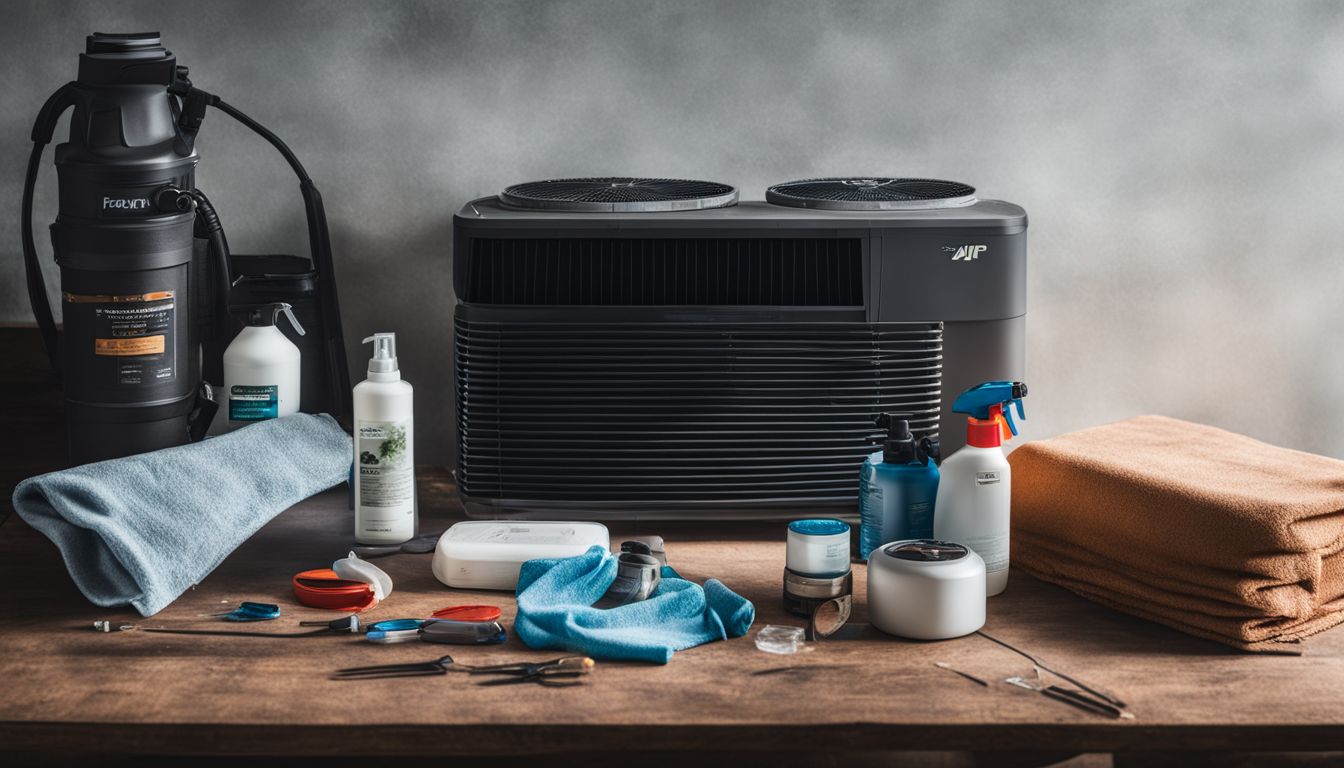
Before embarking on the task of cleaning your air conditioner, ensure you have all the necessary equipment at hand. Gathering the right tools and materials will not only simplify the process but also enhance safety and effectiveness, allowing for a thorough cleanse without causing damage to your system.
Cleaning Solution
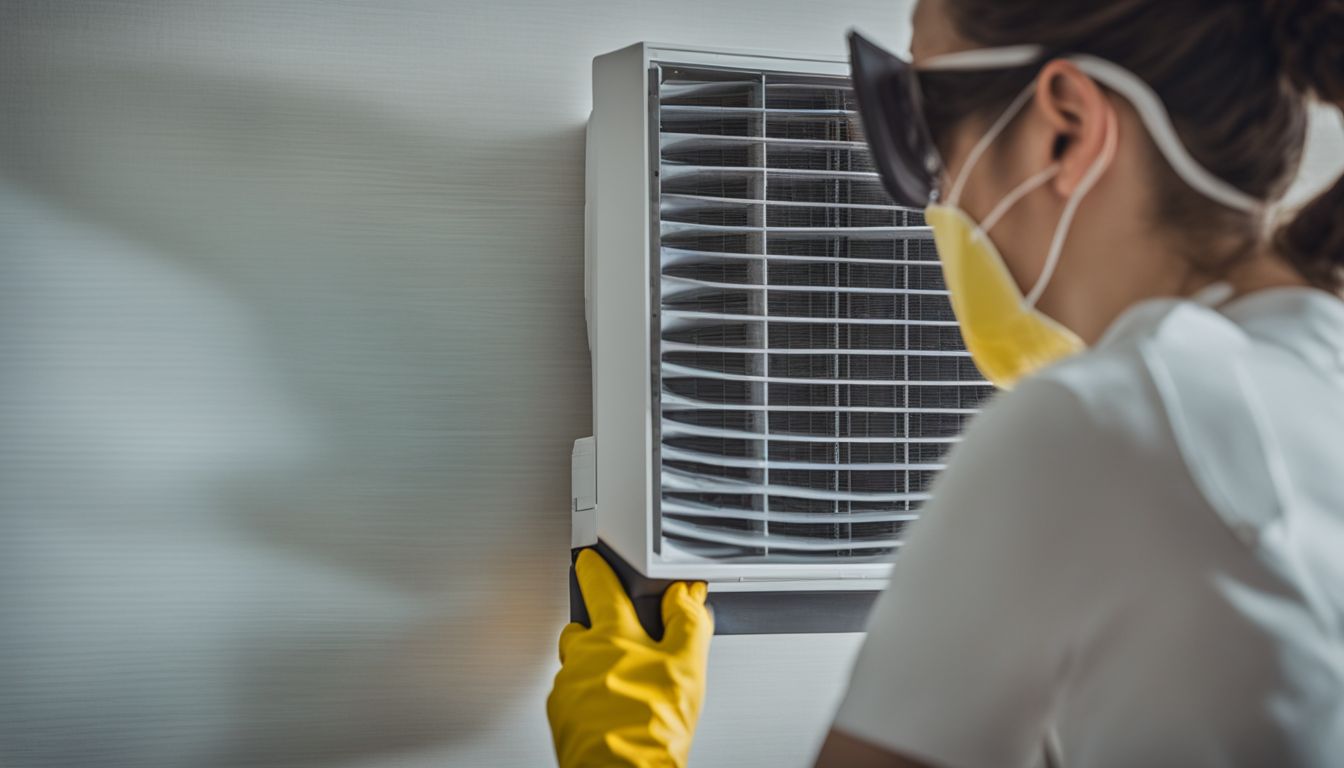
Create your own effective cleaning solution for aircon filters and coils by mixing a cup of white vinegar with half a cup of baking soda in a gallon of water. This homemade concoction is gentle yet powerful enough to cut through the dirt and grime that builds up on your air conditioner components over time.
Apply this solution directly to washable filters or use it alongside a soft brush for scrubbing away stubborn debris.
Ensure you give the mixture some time to work its magic, dissolving accumulated particulates without damaging delicate parts. Once applied, rinse the elements thoroughly with water before reinserting them into your air-conditioning unit.
This process not only promotes better airflow but also enhances overall energy efficiency and prolongs the lifespan of your cooling system.
Vacuum Cleaner
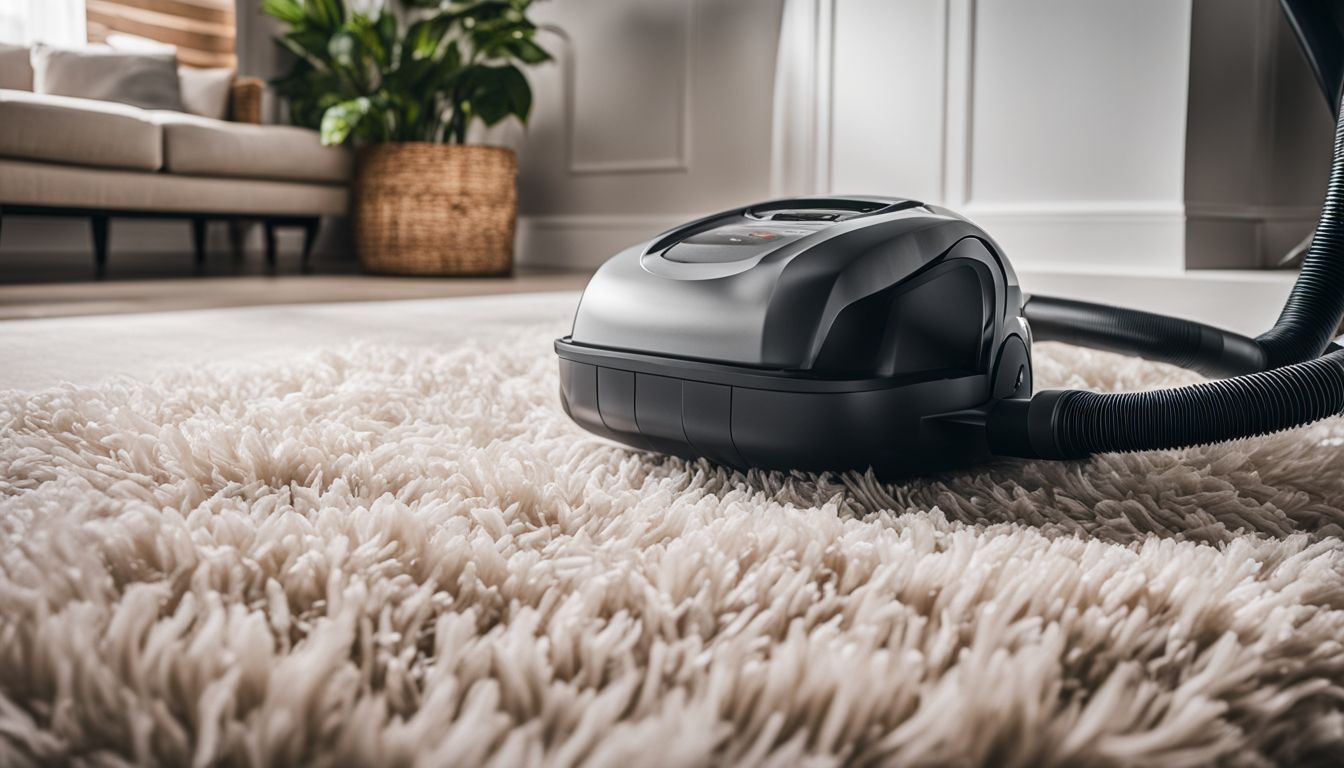
A vacuum cleaner with a soft brush attachment becomes a powerful ally in the fight against dust and dirt on your air conditioner filters. It gently lifts away particles, preventing damage to the delicate components while ensuring maximum airflow through your system.
For households with pets or high dust levels, make sure you clean or replace the vacuum’s own filter every few months to maintain its efficiency.
To tackle grime on evaporator coils, use the hose attachment of your wet/dry vacuum. This method reaches into tight spaces inside the air handler unit, effectively removing debris that could restrict airflow and increase energy consumption.
Regular cleaning of these internal parts maintains your air conditioning unit’s performance and extends its lifespan.
Soft Brush
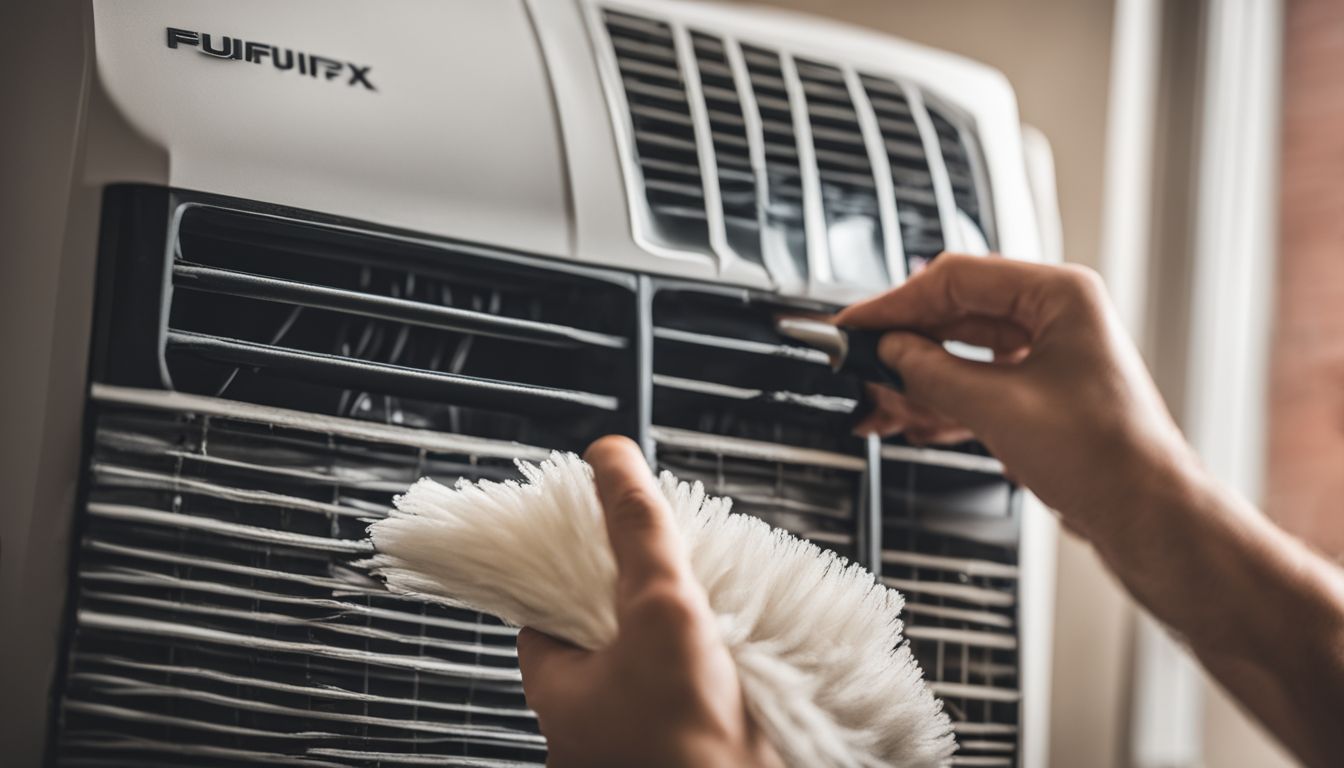
Choose a soft-bristled brush to gently free the dust and dirt from your air conditioner’s filter. As you work the bristles along the fine mesh, they lift away accumulated grime without damaging the delicate surface.
This tool comes in handy when it’s time to tackle evaporator and condenser coils too, allowing you to wipe off any loosened material with ease. Ensure that during regular maintenance, you employ this essential cleaning aid for an effective and thorough clean of your cooling unit’s vital parts.
It plays a crucial role in safeguarding airflow by keeping filters and coils clear of obstruction, thus ensuring efficient operation of heating and air conditioning systems throughout their lifespan.
Soft brushes are particularly valuable for reaching into the recesses where dust can accumulate over time within your air-conditioner unit or ductwork. They don’t just dislodge debris; used correctly, they enhance indoor air quality by contributing to high-efficiency particulate air (HEPA) filtration standards that many modern AC units aim for.
Always turn off the power before beginning any form of cleaning on electrical equipment such as central or room air conditioners to maintain safety precautions. With this simple yet powerful tool, you’re equipped to uphold optimal performance levels in your home’s climate control system without resorting to harsh cleaning agents or risking damage through abrasive methods.
Understanding Different Types of Aircon Filters
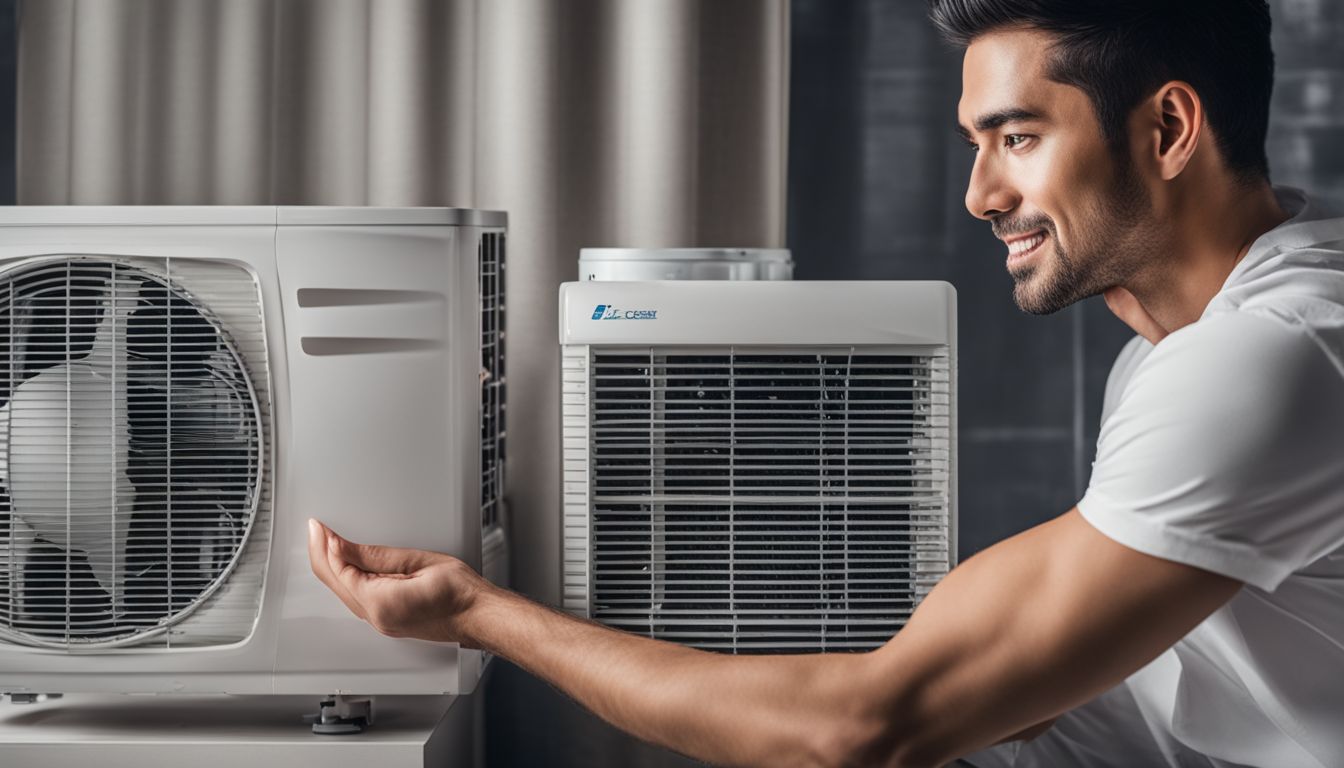
Air conditioning filters are crucial in maintaining clean airflow and ensuring your unit functions properly. These filters trap dust, pollen, and other pollutants, preventing them from circulating through your home.
The most common types are fibreglass filters, pleated filters, washable filters, and electrostatic filters. Fibreglass options are disposable and capture large particles. Pleated versions have a higher surface area to filter out smaller particles effectively.
Electrostatic filters use static electricity to attract particulates, while washable models can be cleaned and reused. Each type fits specific aircon units such as window or central air conditioners.
Knowing which filter suits your system boosts efficiency and maintains indoor air quality. Regularly check these components for any airflow restriction that might signal it’s time for cleaning or replacement.
Using the right filter minimises waste since you won’t need frequent replacements when taking proper care of the one you have.
Step-by-Step Guide to Cleaning Air Filters in Your Air Conditioner

Cleaning your air conditioner’s air filters regularly keeps the unit running efficiently. It helps reduce energy costs by improving airflow and preventing dust build-up.
- Ensure your AC unit is completely switched off to prevent electrical accidents.
- Open the unit’s cover or access panel carefully to reach the air filter.
- Slide out the air filter gently; look out for any specific locking clips or snaps.
- Examine the condition of the filter to decide if it needs cleaning or replacing.
- Use a vacuum cleaner to remove loose dust and debris from both sides of the filter.
- Rinse the filter with lukewarm water, applying a mild cleaning solution if necessary.
- Apply gentle strokes with a soft brush over stubborn areas, avoiding any forceful scrubbing that could damage it.
- Thoroughly rinse away any residual cleaning product to prevent damage when in use.
- Allow the filter to dry completely; never reinstall a wet filter as it can lead to mould growth.
- Insert the clean and dry filter back into its housing, ensuring it fits snugly without forcing it into place.
- Close up your AC unit securely, making sure all parts are assembled correctly before turning on the power.
Cleaning Evaporator Coils and Other Air Conditioner Parts
Maintaining your air conditioning unit involves more than just filter upkeep. Pay special attention to the evaporator coils and other components for a fully functioning system.
Common Mistakes to Avoid When Cleaning Your Air Conditioner
Ensuring your air conditioner functions effectively involves steering clear of common blunders during the cleaning process. It’s crucial to be aware of typical missteps that could compromise your unit’s performance or even cause damage.
Not Turning Off the Power

Diving headfirst into cleaning your air conditioning unit without shutting off the power invites danger. A live electrical current can zap you, leading to serious injury and even damage to your AC system.
Before you grab your vacuum cleaner or any other tools, make sure the power supply is completely cut. This step isn’t just about safety; it also safeguards the electronics within your air conditioner from short circuits during the cleaning process.
Checking the condition of the AC filter needs caution too, hence always turn off the system first. By doing so, you prevent accidents and ensure that vacuuming away dirt and debris from filters and other parts won’t lead to an unexpected electrical shock.
Keep in mind that responsible handling of household maintenance tasks like this not only protects you but extends the life of your air conditioning unit as well.
Using Incorrect Cleaning Solution
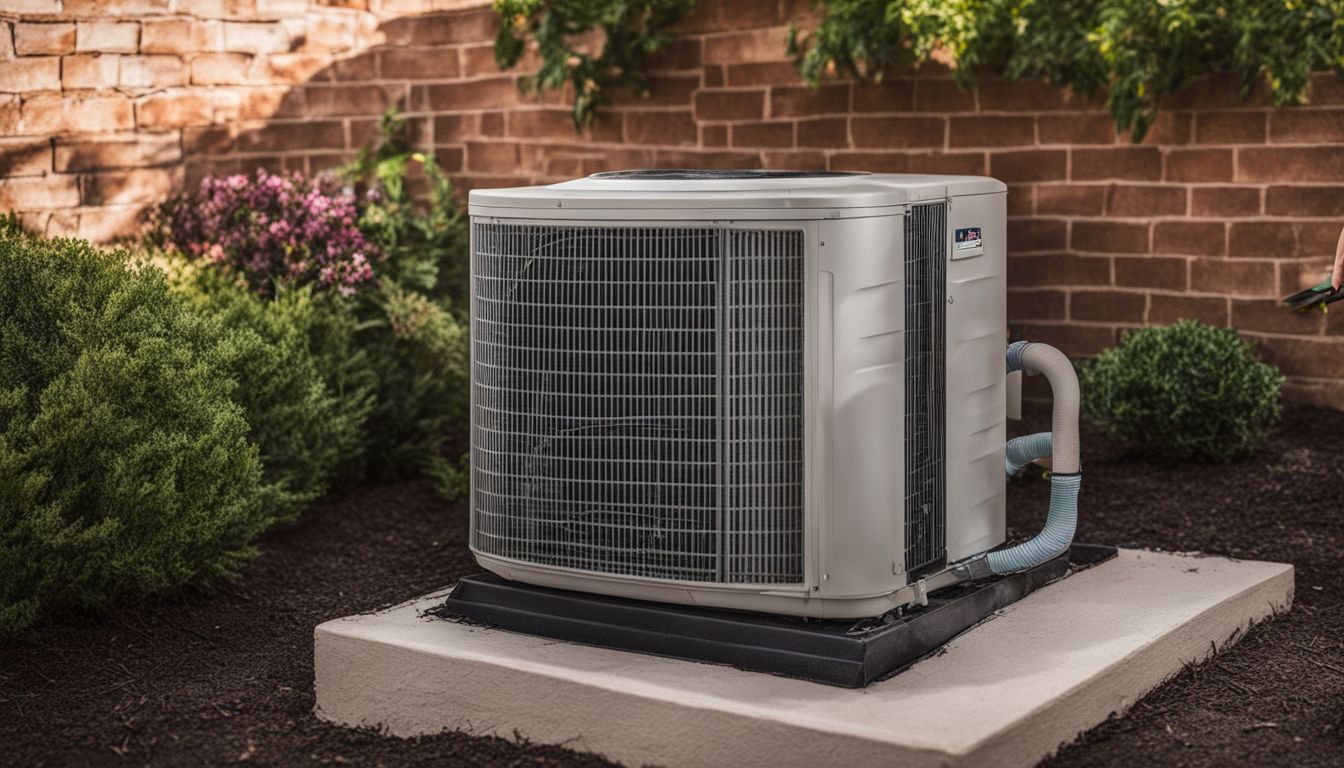
Choosing the wrong cleaning solution for your air conditioning unit can do more harm than good. Harsh chemicals might corrode the metal parts or damage the delicate fins of your evaporator coils, leading to costly repairs.
Instead, opt for a homemade mixture of vinegar and baking soda diluted in water, as this gentle solution effectively dislodges dirt without harming the components. It’s essential to thoroughly rinse off any cleaning agents used on your air conditioner unit.
Residual chemicals can emit unpleasant odours when the system is turned back on and may circulate through your home.
It is crucial to select a cleaner that won’t introduce additional contaminants into your living space. Vacuum cleaners with HEPA filters are ideal for removing loose debris before applying liquid solutions to an AC filter or coil.
This ensures you aren’t just moving dirt around but actually maintaining a cleaner indoor environment by trapping harmful particulates within the vacuum’s filter system.
DIY Guide to Replacing Your AC Air Filter

Navigating the replacement of your air conditioning unit’s filter is simpler than you might think; with a little know-how, it can become an effortless aspect of your household maintenance routine.
By familiarising yourself with the process, you ensure that clean air consistently circulates in your home, promising both efficiency and health benefits.
Gathering Tools
Before diving into the task of air conditioner maintenance, make sure you have all your tools at hand. You’ll need screwdrivers of various sizes, both flat-head and Phillips, to open up the casing of your air conditioning units.
Leather gloves are also a must-have for protecting your hands from sharp metal edges and debris.
Equipping yourself with a fin comb will help you straighten any bent fins on the evaporator coils without causing damage. Have a vacuum cleaner ready to suck up dust from the filters, along with a soft-bristled brush for gentle scrubbing.
Ensure that power is turned off before you start; safety should always be your top priority while handling maintenance tasks.
Removing and Checking the Old Air Filter
To maintain your air conditioner’s efficiency, regularly check and replace the air filter. This process prevents dirt and dust from hindering the system’s performance. Follow these steps to correctly remove and inspect the old air filter:
- Start by turning off your AC unit to ensure safety during maintenance.
- Locate the air filter compartment, typically found along the return duct or within the indoor unit of your air conditioner.
- Open the compartment door or panel gently by unfastening clips or sliding it open, depending on your unit’s design.
- Carefully slide out the old air filter to avoid spreading accumulated dust into your home environment.
- Examine the condition of the removed filter closely for any telltale signs of excessive dirt or damage.
- Decide whether cleaning is suitable if it’s a reusable filter or if it should be disposed of in favour of a new one.
- If cleaning is an option, do so according to manufacturer instructions; otherwise, prepare for installation of a replacement filter.
Inserting the New Filter
Inserting a new air filter is crucial for maintaining clean air flow through your air conditioner. Make sure the filter fits correctly to ensure your unit runs efficiently.
- Locate the access panel on your air conditioning unit and remove it to expose the old filter.
- Slide out the used filter by gently pulling on its edges; avoid tearing it in case you need to reference its size later.
- Check the dimensions of the old filter against your new one to confirm a proper fit.
- Examine your new filter for an arrow that indicates airflow direction; this points towards the blower and away from the return duct.
- Gently slide the new filter into place, making certain it sits snugly within the slot without any gaps or bends.
- Replace the access panel securely, ensuring no loose parts could rattle when your air conditioner operates.
- Dispose of your old air filter in an environmentally friendly way, recycling if possible.
The Importance of Regular Air Conditioner Cleaning and Maintenance
Regular cleaning and maintenance of air conditioner filters make a big difference in how your system performs. Keeping them free from dirt ensures that the airflow is not restricted, which can otherwise cause the unit to work harder than necessary.
This extra strain not only leads to increased energy consumption but also shortens the lifespan of your air conditioning unit.
Cleaning or replacing your AC’s filters every 3 months as recommended by the EPA plays a pivotal role in maintaining indoor air quality. Dust and allergens trapped in clogged filters can circulate back into your living space, potentially causing health issues for those with allergies or respiratory conditions.
Moreover, clean filters safeguard the internal components of the air conditioner from being damaged by dust build-up, therefore keeping repair costs down and ensuring peak efficiency at all times.
Regular check-ups on these parts guarantee that your system stays efficient and effective throughout its lifetime.
When to Hire a Professional for Air Conditioner Cleaning or Maintenance

Consider calling in a professional if your air conditioner shows signs of severe inefficiency, such as not cooling your home evenly or making unusual noises. Complex problems like refrigerant leaks, electrical issues, or damaged coils go beyond regular maintenance and require specialised knowledge.
Specialists have the right tools and training to safely handle these components without causing further damage.
Don’t hesitate to schedule an annual service even if your unit seems to be running smoothly. A trained technician will thoroughly inspect your system, ensuring optimal performance and potentially extending its lifespan.
This preventative measure could save you money by identifying minor issues before they become major problems that disrupt comfort during peak seasons.
Conclusion
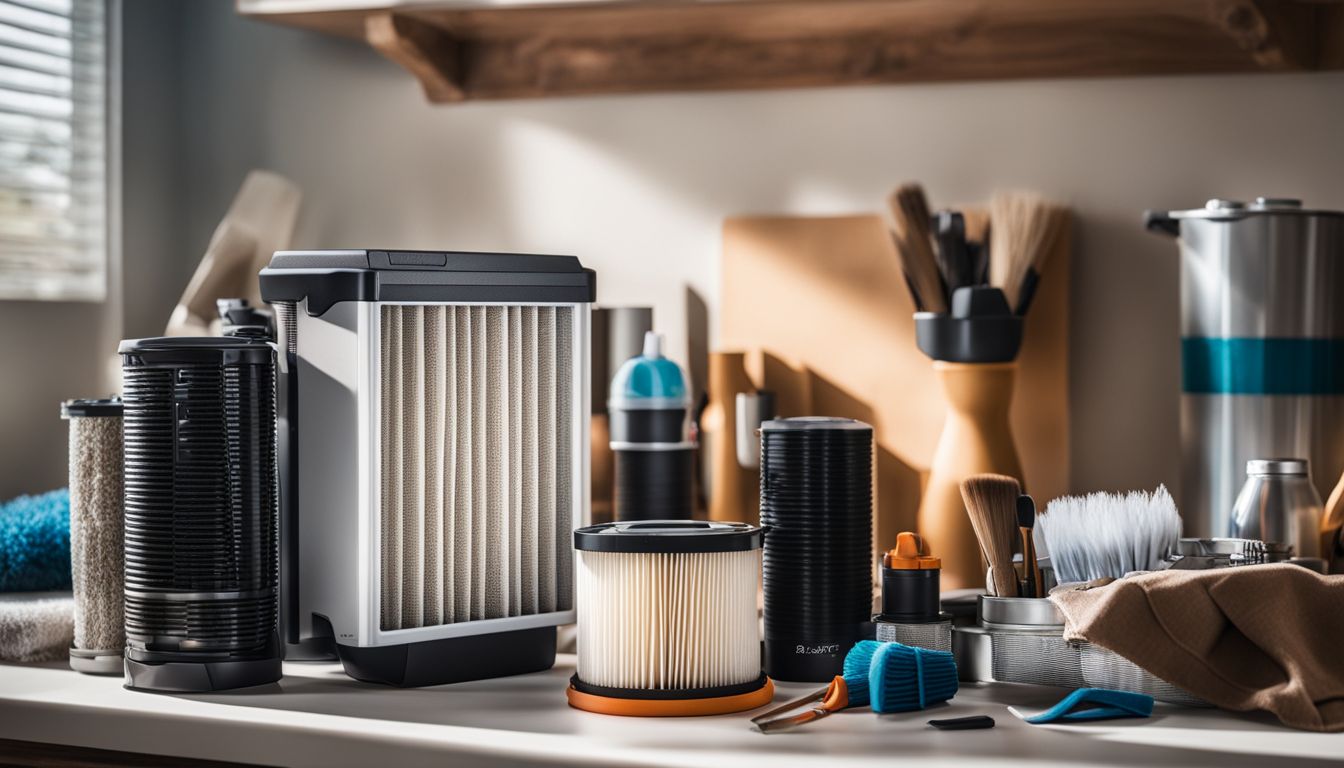
Maintaining your air conditioner not only improves air quality but also keeps energy costs down. Clean and replace your filters regularly using the easy steps we’ve outlined. Embrace the satisfaction of DIY maintenance and feel confident in your ability to care for your home’s aircon system.
With this guide, you’re well on your way to creating a cooler, cleaner living space all by yourself! Keep these insights handy for when it’s time to refresh or repair your air conditioning unit again.
For an in-depth understanding of the different types of aircon filters, visit our comprehensive guide here.
FAQs
1. How often should I clean my aircon filter?
You should clean your aircon filter every month to ensure it works well.
2. Will cleaning the aircon filter improve its performance?
Yes, cleaning the filter can help improve your air conditioner’s performance and efficiency.
3. What signs show that my aircon filter needs replacing?
If the filter is visibly damaged or very dirty after you’ve cleaned it, you need to replace it.
4. Can I reuse a disposable aircon filter after cleaning?
No, once a disposable aircon filter is used and dirty, you should replace it with a new one.
5. What tools do I need to clean or replace an aircon filter?
For cleaning, just use some water and mild detergent; for replacing, no special tools are needed – just get a new correct-size filter.