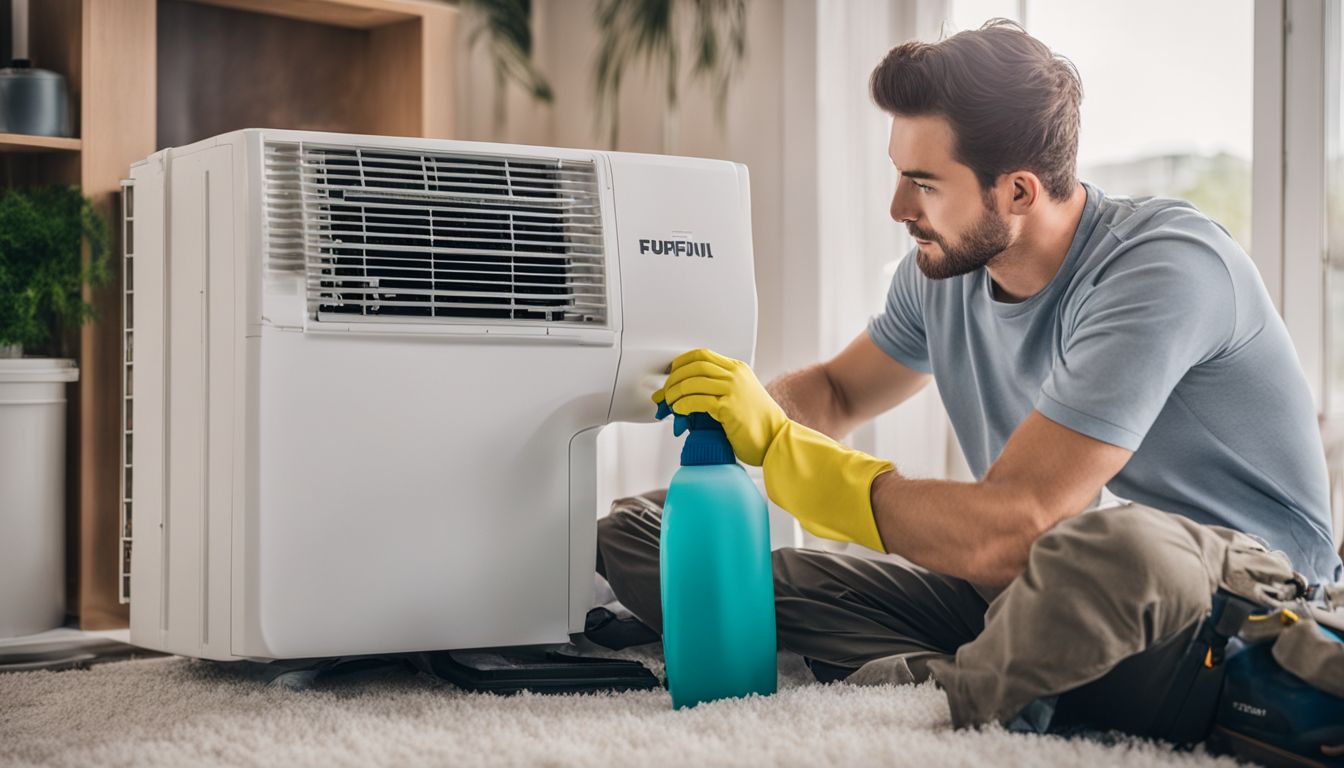
Is your home feeling stuffy, or are you sneezing more than usual? It might be time to check your air conditioning filters. Did you know that the right filter can dramatically improve indoor air quality? This blog will guide you through different types of air conditioning filters and help you find the best fit for fresher, cleaner air in your home.
Keep reading to breathe easier!
The Role of Air Filters in HVAC Systems
Air filters in HVAC systems serve a critical function by capturing airborne contaminants like dust, pet dander, and pollen. These impurities can compromise the air quality within a space, posing health risks to occupants.
The HVAC equipment draws in outside air and various particles as it runs. The filter’s job is to ensure that before this air circulates through your home or office, it passes through layers of filtering material where unwanted particles are trapped and held.
Maintaining clean filters is essential for both health reasons and system efficiency. Dirty or clogged filters force the system to work harder, which can lead to increased energy use and higher bills.
Regularly changing the air filter not only keeps the indoor environment healthier but also extends the life of the HVAC unit by preventing unnecessary strain on its components. High-quality filters effectively reduce pollutants entering indoor spaces, thus enhancing overall indoor air quality (IAQ).
Understanding MERV Rating
The MERV rating of an air filter tells you how well it can trap tiny particles. Filters with high MERV ratings catch more and smaller particles than those with lower ratings. Think about this like a net; the tighter the weave, the smaller the things it can catch.
Particles range from dust and pollen, which are larger, to bacteria and viruses that are much tinier. A higher MERV rating means your air is cleaner because fewer small invaders slip through.
Choosing the right MERV rating for your home or office takes careful consideration. If someone has allergies or respiratory problems, a higher MERV might be best to keep the indoor air quality as pure as possible.
But remember, filters with very high MERV ratings can make your heating and cooling systems work harder because they’re thicker and allow less air to pass through easily. This could raise energy costs if not balanced correctly with system capabilities.
It’s essential to strike a balance between efficient filtration and maintaining good airflow in your HVAC system.
Key Types of Air Filters in Air Conditioning
Explore the various air filters designed for your AC, each with unique features to tackle different pollutants and enhance indoor air quality – a crucial read for anyone seeking fresh air.
Spun Glass or Fibreglass Air Filters
Spun glass or fibreglass air filters are crafted from fine strands of glass woven into a filter mat. These strands are then bound with a metal mesh for structural support and durability.
They excel at ensuring unobstructed airflow within HVAC (heating, ventilation and air conditioning) systems, making them a go-to choice for situations where maintaining efficient operation is key.
However, their straightforward design primarily captures only larger particles such as dust mites and lint. This limitation means they may not be the best option if you need protection from finer particulate matter like pollen or mould spores.
For homeowners seeking an inexpensive solution for basic air filtration needs, spun glass filters offer an initial layer of defence against common airborne debris without putting much strain on the air conditioning system.
Pleated Filters
Pleated filters stand out for their unique design, which integrates a series of folds, greatly enhancing the surface area and catching more airborne particles. These folds act as a dense net, trapping fine dust, pollen and other pollutants to deliver cleaner indoor air.
Made from materials like cotton or polyester fabric, pleated filters are effective in capturing small particles and contribute to maintaining high-efficiency particulate air standards.
Installing pleated filters can significantly elevate indoor air quality in homes and offices. With their high filtration efficiencies, they excel at purifying stuffy air by removing contaminants that might exacerbate allergies or respiratory issues.
They serve well within HVAC units, ensuring the system continues to circulate fresh and healthy air throughout your space while supporting energy efficiency due to less strain on the system.
HEPA Filters
The gold standard in air purification technology is HEPA filters, standing for high-efficiency particulate air filters. Using a complex web of dense fibres, these marvels trap at least 99.97% of tiny airborne particles as small as 0.3 microns, including dust, pollen, mould spores, and even certain bacteria.
Their design is so effective that they’re rated equivalent to MERV 17 because of their superior ability to clean indoor air.
Despite their impressive performance in capturing pollutants from our air, HEPA filters typically aren’t fitted into everyday home HVAC systems due to their restrictive airflow requirements.
They function optimally at lower airflows, which conventional home heating and air conditioning setups usually can’t provide without modifications. Instead, you’ll often find HEPA filtration championed in critical settings like hospitals and clean rooms where sterile conditions are paramount.
UV Light Filters
UV light filters in air conditioning systems take a high-tech approach to cleaning the air. They employ germicidal radiation to kill or neutralise microorganisms such as viruses, bacteria, and mould that pass through your home’s ventilation system.
This type of filter uses specific wavelengths of ultraviolet light, which are effective at sterilisation, ensuring that these tiny threats are rendered harmless as air circulates.
Incorporating UV light into an HVAC unit can work alongside other forms of filtration, like activated carbon filters. Together, they tackle both particulate matter and toxic gases, providing a comprehensive solution for maintaining indoor air quality.
While not all UV lights have the same capability, those used within UV filters are chosen for their effectiveness against airborne pollutants. These innovative filters offer an additional layer in protecting households from invisible enemies that compromise clean air standards.
Electrostatic Filters
Electrostatic filters harness the power of static electricity to snag airborne particles, acting like a magnet for dust, pollen, and other irritants. These reusable filters cut down on waste and offer a cost-efficient alternative to disposable options, as they can be washed and reused multiple times.
They are an eco-friendly choice in air filtration and are commonly crafted from durable materials such as metal.
Employing these types of filters helps maintain indoor air quality by attracting small particles that would otherwise circulate through your home or office space. Unlike fibreglass filters that require frequent replacement, electrostatic variants boast longevity due to their unique method of capturing particulate matter (PM).
As you prioritise clean air delivery rates within your environment, consider the added benefit of reduced dust build-up with effective electrostatic air cleaners.
Washable Filters
Washable filters are a durable alternative to traditional disposable options, offering a more sustainable approach to air filtration. Their design allows them to be cleaned and reused multiple times, which not only helps reduce waste but also can provide significant cost savings over time.
Unlike single-use filters that contribute to landfills, these reusable units are kinder to the environment, making them an attractive choice for eco-conscious consumers seeking ways to improve indoor air quality without the frequent need for replacement.
Opting for washable filters means investing upfront in a product that pays off in the long term. Users benefit from fewer purchases while maintaining effective air purification within their homes or offices.
These filters easily capture dust, pollen and other small particles floating in the indoor air. Regular cleaning ensures they continue operating at peak performance levels, ensuring your living or working environment remains free from pollutants and allergens.
As they eliminate the ongoing costs of disposable versions, washable filters are an environmentally friendly and economically savvy option in modern air handling units.
Media Filters
Media filters stand out in air conditioning by trapping unwanted particles with cotton or polyester fabric layers. These materials are adept at capturing pollutants, offering superior efficiency over traditional spun glass filters.
Media filters excel in blocking small particles from tobacco smoke and other forms of air pollution and support healthier indoor air quality (IAQ). Their design perfectly balances achieving high filter performance ratings and maintaining sufficient airflow to keep HVAC systems running smoothly.
These filters boast a sturdy construction that resists collapse under heavy airflow, which can challenge less robust options. Service life is extended as media filters can hold more dirt before requiring replacement, reducing maintenance frequency compared to standard high-MERV alternatives.
They handle demanding environments while providing sterilisation benefits, often used alongside an air purifier for enhanced effect. Homeowners relying on HVAC systems find media filters an effective solution for sustaining clean, fresh air without overburdening their equipment.
Pros and Cons of Different Air Filter Types
Understanding each air filter type’s varying advantages and disadvantages is crucial for making an informed decision for your HVAC system’s needs. Below is a table summarising the pros and cons of each filter type mentioned.
| Air Filter Type | Pros | Cons |
|---|---|---|
| HEPA Filters |
|
|
| Flat Paneled Filters |
|
|
| Pleated Filters |
|
|
| UV Light Filters |
|
|
| Electrostatic Filters |
|
|
| Washable Filters |
|
|
| Media Filters |
|
|
Each filter type brings distinct benefits and challenges, ranging from HEPA filters’ high-efficiency trapping capabilities to washable filters’ cost-effectiveness. Choose wisely to align with your specific air quality needs and maintenance preferences.
Guidance on Choosing Between Air Filter Types
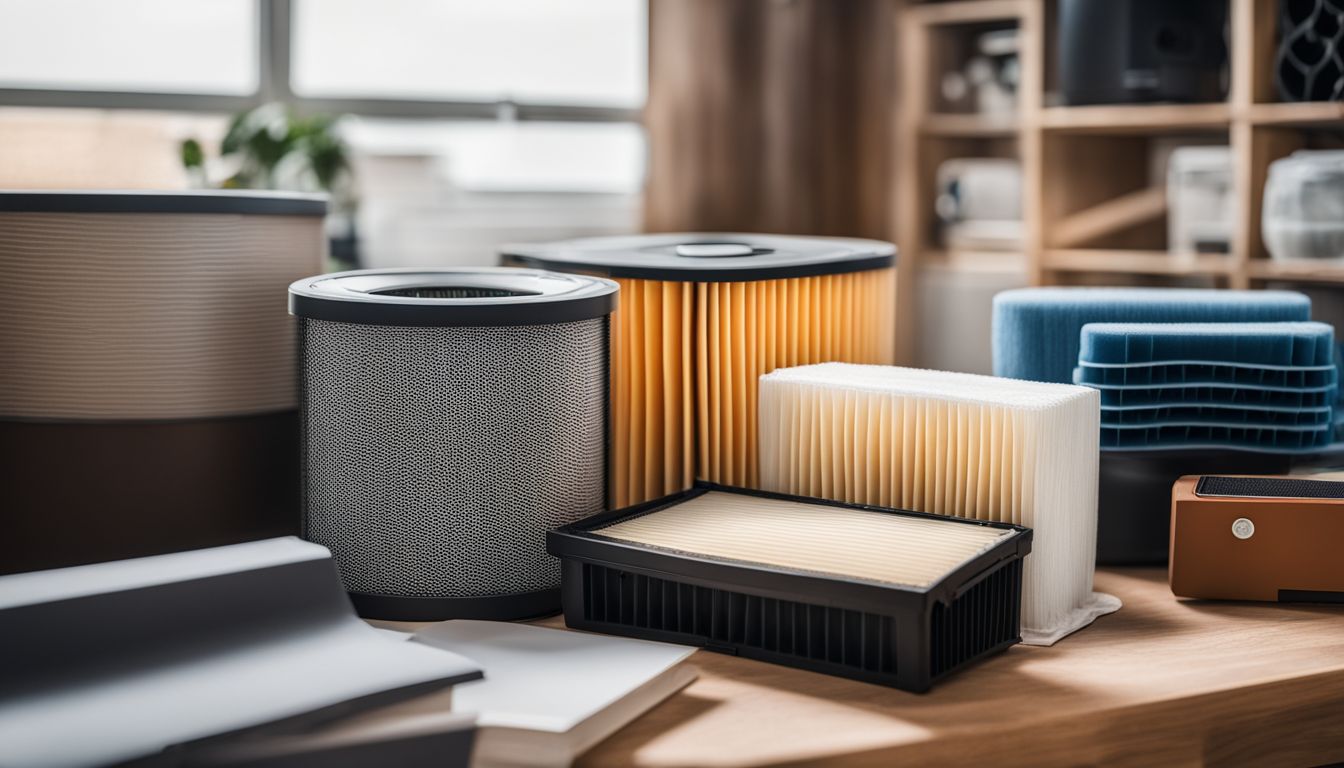
Consider your home’s specific needs when selecting an air filter. If allergies are a concern, HEPA filtration might be the best choice due to its ability to trap small particles effectively.
For homeowners seeking to reduce energy costs while maintaining decent air quality, pleated filters could balance efficiency and economy. Remember that high-efficiency particulate air filters require compatible HVAC systems due to their dense material, which can restrict airflow.
Consult expert sources like Consumer Reports before deciding; they provide valuable insights into which filters deliver on their promises and suit your situation.
Always match the Minimum Efficiency Reporting Value (MERV) of the filter with what your system can handle to ensure optimal performance without causing damage or reducing efficiency.
Finally, factor in maintenance – some filters, like washable ones, may save you money over time but will need regular cleaning to perform well.
The Importance of Filter Size
Filter size is critical in ensuring your HVAC system runs smoothly and efficiently. A perfectly sized filter traps pollutants, ranging from dust to microscopic allergens, safeguarding your home or office’s air quality.
Filters that are too small leave gaps, allowing unfiltered air to pass through, which can accumulate debris in the system. This compromises indoor air quality and stresses the HVAC components due to increased workload.
Selecting the right filter size requires attention to dimensions and depth for optimal performance. It ensures all incoming air passes through high-efficiency particulate air filtration or other filtering mechanisms appropriate for your setup.
An incorrect fitting leads to poor air quality and may increase energy consumption as systems struggle with inefficient airflow circulation. Regularly checking and replacing filters based on manufacturer recommendations keeps them functioning at their best while protecting against potential issues caused by ill-fitting components.
Benefits of Using Air Filters
Air filters are the unsung heroes in maintaining a healthy indoor environment, aiding in purer breathing and serving as defenders against various airborne contaminants.
Their widespread benefits touch on every aspect of living and working spaces, from enhancing overall well-being to safeguarding interiors from the relentless invasion of dust and irritants.
Elimination of Unpleasant Odours
Activated carbon filters are a game-changer in making indoor air smell fresh and clean. They work like a sponge, absorbing foul smells from cooking, pets, smoke, and even chemicals that can make you feel ill.
These specialised filters trap gases and volatile organic compounds (VOCs), pulling them out of your home’s air.
An impressive feature of some air purifiers is their ability to clear the atmosphere quickly. You may notice a significant drop in bad odours within 30 minutes of turning on an air scrubber with this kind of technology.
This makes these devices incredibly effective for maintaining a pleasant environment in places like kitchens where strong food smells linger or near bins where the scent of garbage can be overpowering.
Protection Against Diseases
Clean air in our homes and workplaces is vital for our health. Air filters in conditioning systems play a crucial role by trapping harmful particles that can lead to diseases. HEPA filtration, in particular, does an exceptional job by capturing up to 99.97% of airborne allergens, such as dust mites, pollen, and pet dander.
These allergens are often the culprits behind respiratory issues and allergic reactions.
Quality air filters also protect us against more severe health risks like lung disease and cardiovascular problems caused by polluted indoor air. For those with allergies or respiratory conditions, incorporating air filtration into environmental control measures significantly reduces exposure to triggers.
Electrostatic filters serve this purpose well; they use static electricity to capture small particles that traditional filters might miss, thus enhancing protection against airborne diseases within indoor environments.
Prevention of Allergies
Air filters prevent allergies by trapping small particles that often trigger allergic reactions. Renowned for their efficiency, HEPA air purifiers can capture up to 99.97% of airborne allergens, including pollen and dust mites.
These high-efficiency particulate air filters are especially beneficial for individuals suffering from allergic respiratory diseases as they clear indoor air of potential irritants.
Choosing the right type of filter is essential for allergy prevention. Filters with higher MERV ratings catch finer particles more effectively, relieving symptoms by maintaining better indoor air quality (IAQ).
Pleated filters offer an advantage because their increased surface area captures more allergens than flat-surfaced ones. Using air ionisers within HVAC systems further boosts the removal process, disarming airborne allergens before they can settle or be inhaled.
Regular replacement and upkeep ensure these filtration systems protect against allergy-inducing contaminants effectively.
Reduction in Dust Build-up
Installing the right air filter can make a world of difference to your home’s cleanliness. Think about those pesky dust particles that settle on your furniture and floors; a quality air filter traps these small particles before they can enter your living space.
In particular, high-efficiency particulate air filters, better known as HEPA filters, are superstars at snatching up to 99.97% of airborne allergens. This includes common culprits such as pollen, pet dander, and dust mites.
Choosing an air purifier with a HEPA filtration system helps maintain pristine indoor air quality (IAQ). Homes and offices become safe havens from irritating dust, often leading to sneezing and discomfort.
These filters are crucial in keeping spaces clean and reducing the time spent on dusty chores by capturing tiny pollutants. Clean less and breathe easy knowing that your advanced air filtration is hard at work for you day and night.
When to Replace Your Air Filter and Determining Change Frequency
Your air filter is a crucial part of maintaining indoor air quality. Knowing when to swap it out ensures your HVAC system works efficiently and keeps the air clean.
- Check your air filter every month, especially during heavy-use months like summer and winter. If it looks dirty after a month, change it.
- Aim to replace pleated filters every 90 days as they trap small particles and can become clogged.
- Consider the environment in your home; pets, smokers, or allergies can necessitate more frequent changes.
- Media filters are more long-lasting, usually requiring replacement once a year if the system isn’t used heavily during transitional seasons.
- Keep an eye on high-efficiency particulate air filters; HEPA filtration systems often need checks more frequently due to their fine mesh that could quickly gather unwanted particles.
- Regular cleaning is needed if you opt for washable filters and may vary from monthly to bimonthly, depending on usage.
- Fibreglass or spun glass air filters have a shorter lifespan and should be checked and likely changed every 30 days.
- Electrostatic filters and those infused with UV light technology could demand specific attention as per manufacturer guidelines due to their unique properties in trapping contaminants.
- Always align filter changes with the minimum efficiency reporting values (MERVs) guidelines; higher MERV-rated filters might require less frequent changes, but always consult manufacturer recommendations.
Conclusion
In conclusion, choosing the right air filter can significantly uplift your home’s air quality. Consider the diverse options available and their respective benefits for your living space.
Filter maintenance is crucial to ensure optimal HVAC performance. Keep efficiency and durability in mind when selecting a suitable air filter type. Always remember that investing time understanding filters will pay off with cleaner, healthier indoor air.
FAQs
1. What does an air filter do in an air conditioning system?
An air conditioning system’s air filter cleans the recycled air by trapping small particles to improve indoor air quality.
2. Can any filter be used for high-efficiency particulate air (HEPA) filtration?
No, only specially designed filters that meet certain standards can be called HEPA filters and are used to capture extremely small particles.
3. Why is it important to have a good filter in my air handler?
A good filter in your air handler is crucial because it ensures that the circulating air within your home is free from pollutants and allergens, contributing to better indoor health.
4. How often should I change the filter in my AC unit to maintain good IAQ?
To maintain optimal Indoor Air Quality (IAQ), you should replace or clean your AC unit’s filters regularly as the manufacturer recommends, which could vary from every month to every few months depending on usage and type of filter.