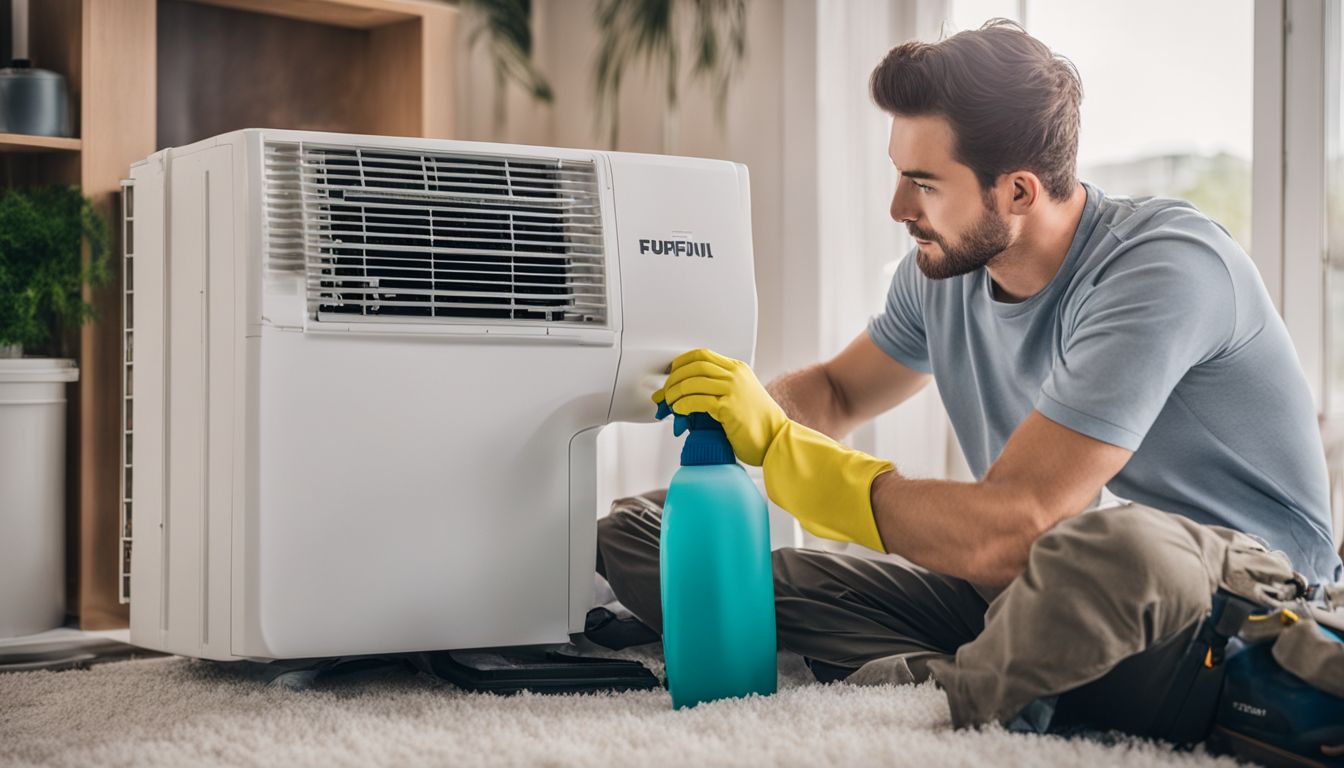
When your home feels too warm, your air conditioner’s coils might need cleaning. Dirty coils can reduce efficiency and make your unit work harder. Our blog will explain why keeping these coils clean is vital for a cool, comfortable home.
Keep reading to uncover simple steps for better cooling.
Understanding the Role of Coils in Air Conditioning Units
Coils are pivotal in your air conditioning unit‘s ability to cool your home effectively. In simple terms, they assist with the transfer of heat. The evaporator coil removes warmth and humidity from indoor air as it passes over its cold surface while the condenser coil releases this absorbed heat outside.
This cycle is what keeps your space comfortable during hot days.
Air conditioning units rely on these coils for seamless operation. When evaporator coils absorb heat, they work together with the furnace or air handler to circulate chilled air throughout your room or building.
Similarly, condenser coils interact with other parts like compressors and fans to expel the unwanted warm air into the atmosphere, ensuring that only cool and fresh air flows back inside through ductwork or vents in an HVAC system.
Regular maintenance of these components is essential for sustained energy efficiency and optimal performance of your cooling equipment.
The Importance of Coil Cleaning
Ensuring that the coils in your air conditioning system are clean is crucial for maintaining optimal performance and indoor air quality. Regular coil cleaning not only bolsters the efficiency of HVAC units but also plays a vital role in prolonging their lifespan and reducing energy costs.
Enhanced Efficiency
Clean coils are essential for the smooth operation of air conditioning systems. When they are free of dust and debris, heat transfers more effectively throughout HVAC units. This maximises their potential and leads to significant energy savings.
A clean condensing coil does not struggle to dissipate heat, so your system doesn’t have to work as hard to cool your space.
Regular coil cleaning ensures that heating and cooling processes run at optimal levels. This reduces strain on the air conditioner, reducing energy consumption and utility bills.
Additionally, maintaining a clean evaporator helps prevent airflow restriction in the system. As a result, indoor air quality improves while operating costs drop.
Lower Operating Temperatures
Dirty coils force your air conditioner to work harder, pushing up the temperature and pressure within the system. This strains your HVAC systems and leads to higher energy usage as it struggles to cool down.
Regular coil cleaning plays a pivotal role in maintaining lower operating temperatures. It allows components like evaporators and condenser coils to transfer heat more effectively.
By keeping these parts clean, you enable smoother operation of central air conditioning units and heat pumps. Lower operating temperatures mean less stress on the air handler unit and other crucial parts of an HVAC system, reducing the risk of damage over time.
It ensures that cooling efficiency is at its peak without unnecessary strain or increased energy consumption which could lead otherwise to costly repairs or replacement needs for corroded or worn-out components.
Increased Cost-Effectiveness
Regular coil cleaning doesn’t just keep your air conditioning units running smoothly; it also brings financial savings. Clean coils mean your system isn’t overworking, reducing the wear and tear of components like compressors.
This efficiency translates directly into lower energy bills, making regular maintenance a smart move for your wallet.
Keeping those coils free from dirt and debris prevents unnecessary strain on the unit’s motor. As they operate without obstruction, they use less power and decrease overall utility costs.
Investing in preventive care ensures your system performs optimally, reducing the likelihood of expensive repairs or replacements due to stress-induced breakdowns. Embracing routine cleaning can lead to significant long-term savings for homeowners with split-system central air conditioners and businesses relying on walk-in coolers or air handlers.
How Often Should AC Coils Be Cleaned?
Cleaning AC coils is a crucial part of preventive maintenance that homeowners and facility managers should not overlook. For most systems, performing this task every six to twelve months will suffice to keep the air conditioning unit running smoothly and efficiently.
However, if your AC unit is in a place where it encounters more dust, lint, or moisture—like industrial areas or regions with high pollen counts—an inspection every few months might be necessary to decide if cleaning is needed sooner.
HVAC experts point out that clean coils are essential for system efficiency and can dramatically cut energy costs. In fact, neglecting coil cleanliness can lead to a significant increase in energy consumption; units with dirty coils may use up to 37% more energy than those with clean ones.
This underscores the need for regular check-ups and professional cleaning services tailored to your system’s specific environment and usage patterns. Keeping on top of coil cleanliness isn’t just about performance—it’s also an investment in cost-effectiveness and energy conservation.
DIY Tips for Air Conditioner Coil Cleaning
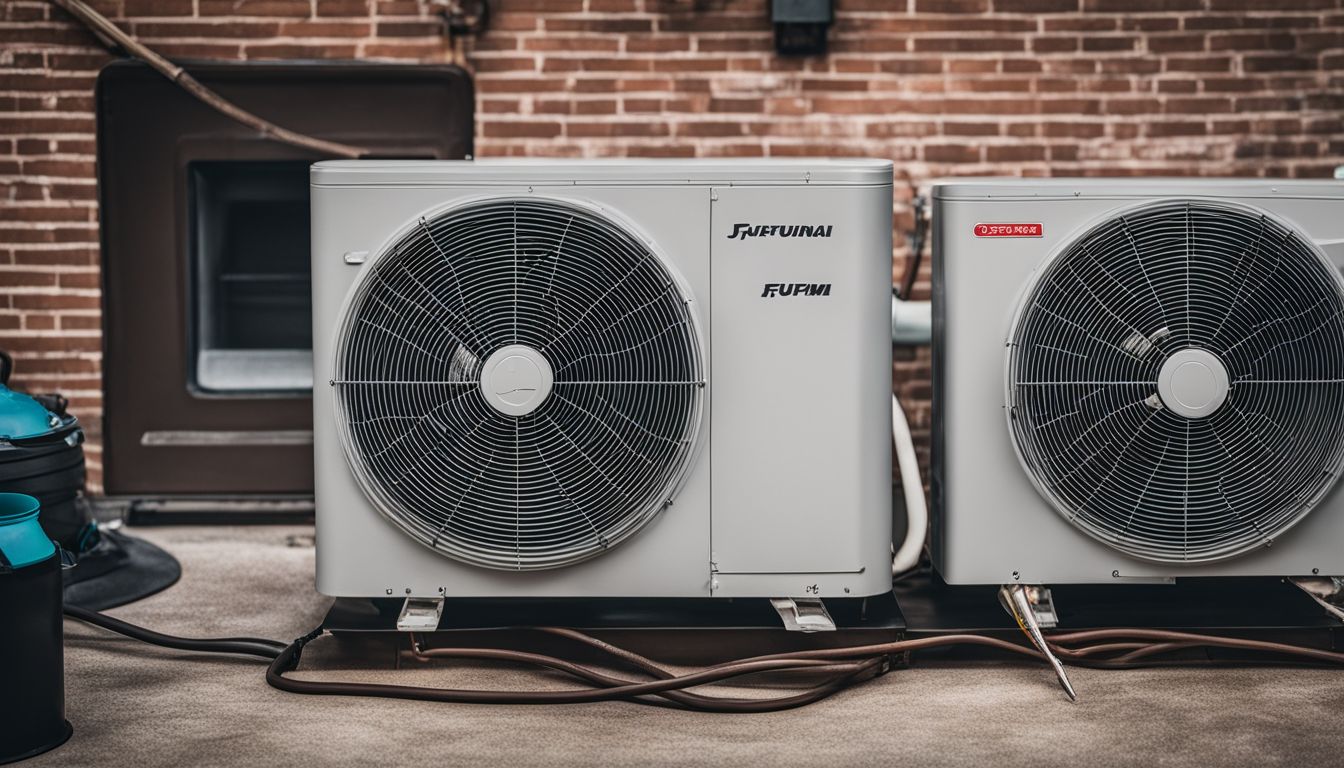
Locating the AC condenser coils is your first step in DIY coil cleaning. Shut off the power at the electrical breaker to ensure a safe cleaning process. After powering down, remove the side and top covers of the condenser unit carefully.
This will give you full access to the coils for thorough cleaning.
Take a soft brush or use a shop vac to remove all loose dirt and debris from the coils. Ensure you also clean around the base of the condenser unit to prevent any blockages that could impair airflow.
For more stubborn grime, apply either a commercial foaming cleaner or create your own mixture by combining vinegar and baking soda; both methods are effective for cutting through build-up on air-to-air heat exchangers.
Spray this solution onto the coils, allow adequate time to work its magic, then rinse with water using low pressure so as not to bend or damage delicate fins on your energy-efficient system’s crucial heat exchangers.
Methods for EffectiveCoil Cleaning
Choose a coil-cleaning system with the right water pressure to tackle tough dirt and grime on your coils. This method ensures deep cleaning without damaging the delicate fins. For coils that are not heavily soiled, consider using compressed air as a fast alternative to blowing away loose debris.
Goodway Technologies suggests a comprehensive approach to coil cleaning which involves careful preparation and thorough wet cleaning procedures. Start by ensuring you can reach all parts of the coils comfortably; this might mean removing panels or protective grills.
Vacuum any loose dust from the coils and fins before you begin washing them down. Check for blockages in the drain pan or tubing and clear them out to prevent water damage during cleaning.
After vacuuming, apply a commercial-grade cleaner specifically formulated for AC coils, following up with sufficient rinsing to remove any residue that could attract more dirt later on.
Remember that keeping your air filtration system spotless is essential for maintaining an energy-efficient home, especially when spring cleaning rolls around.
Conclusion
In wrapping up, maintaining the cleanliness of your AC coils stands paramount for energy efficiency. Tend to this task regularly and you’ll reap the benefits of a hardworking, cost-effective system.
Not only does it keep your air conditioner in top shape, but it also protects the environment by reducing energy consumption. Remember that a little effort with cleaning goes a long way towards ensuring your unit performs at its best year-round.
Embrace coil maintenance as an essential part of your routine to keep cool and save money.
For more detailed guidance on maintaining your AC unit, have a look at our DIY tips for air conditioner coil cleaning.
FAQs
1. What does coil cleaning do for energy efficiency?
Coil cleaning improves energy efficiency by removing dust and debris from condenser coils, helping appliances run more smoothly.
2. Can I clean the coils myself?
Yes, you can use a vacuum cleaner to remove dirt from the coils gently, but be careful not to damage them in the process.
3. How often should I clean my appliance’s coils?
Experts recommend cleaning your appliance’s coils at least once a year to keep it running efficiently.
4. What happens if I don’t clean my appliance’s coils?
If you don’t clean your appliance’s coils, they could become clogged with dust which makes your machine work harder and may lead to higher energy bills.