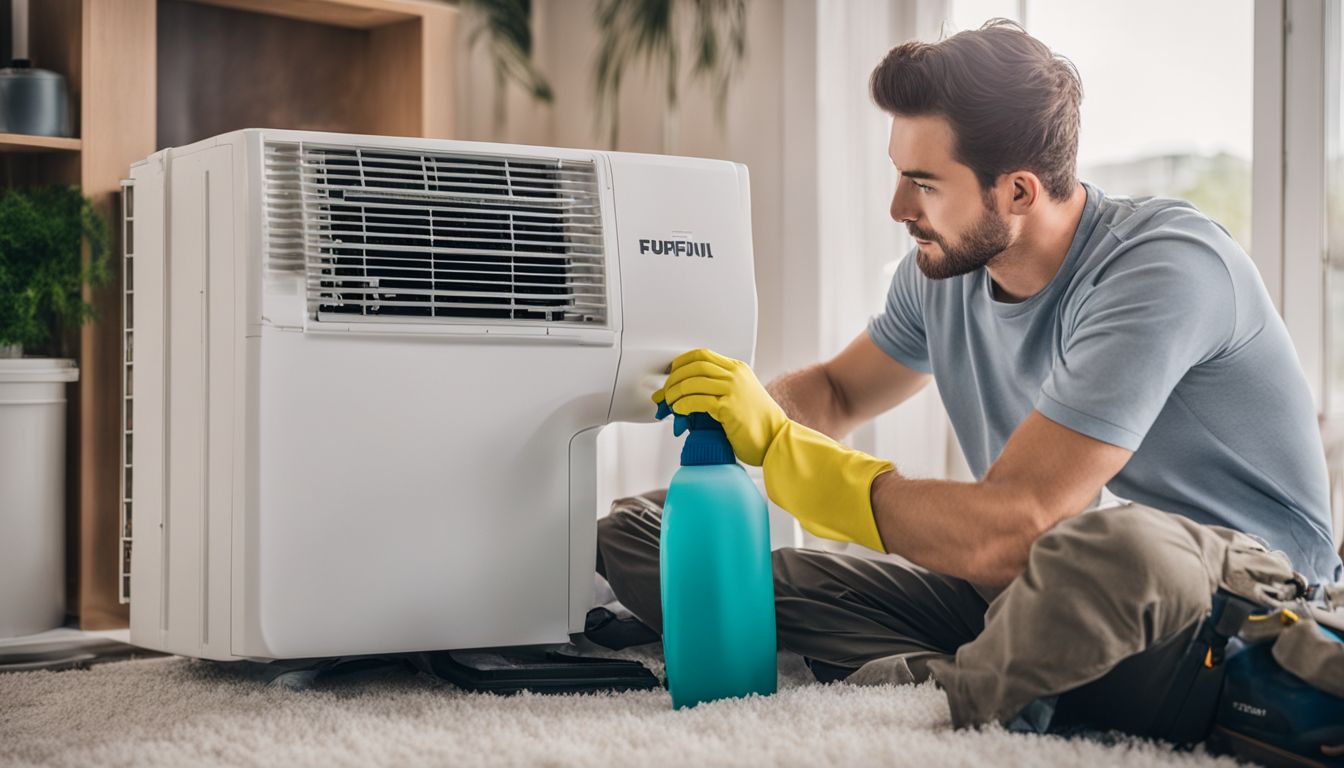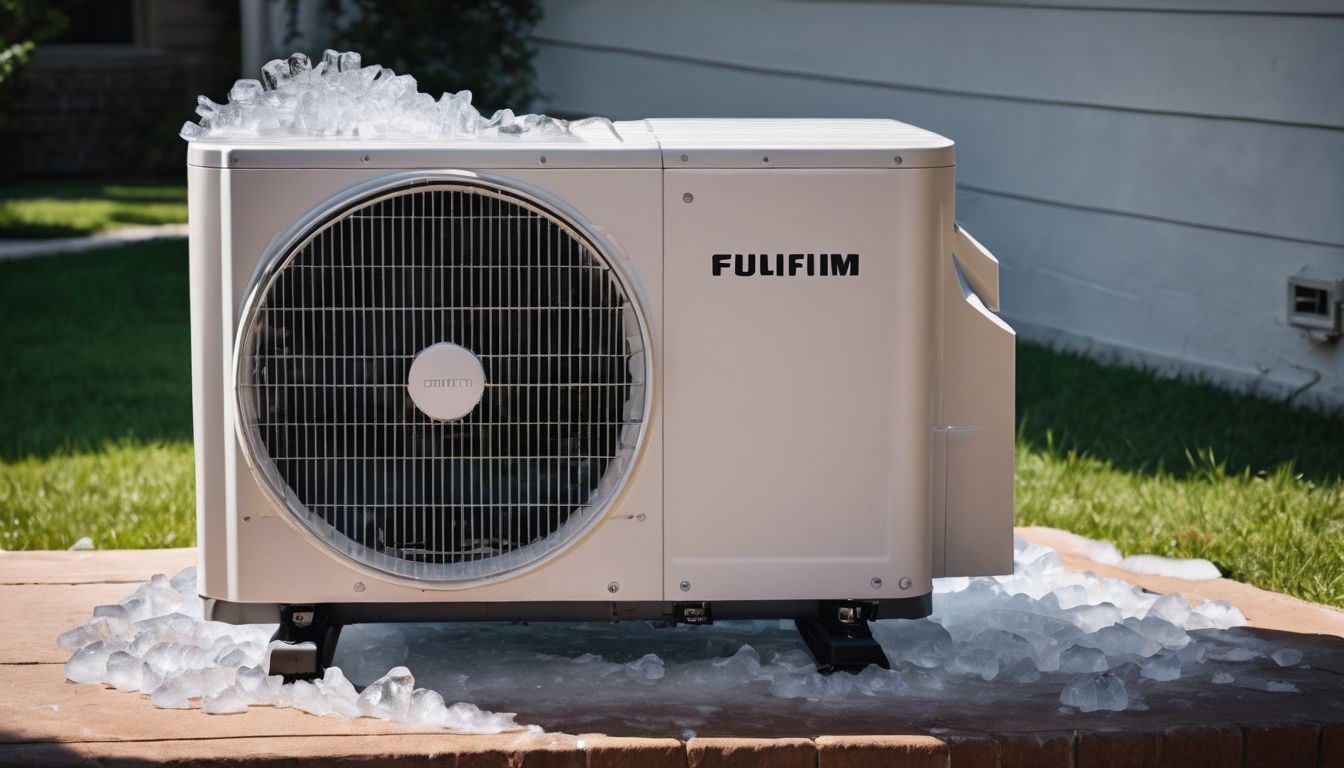
Is your air conditioner turning into a block of ice on hot days? Believe it or not, AC units can freeze up even when you need them the most. Our blog post is packed with clear-cut information and hands-on tips to tackle this chilly problem head-on.
Keep reading – we’re about to melt away the confusion!
Identifying a Freezing Problem in Your Aircon System
A freezing problem in your aircon system often shows up as ice on the evaporator coils or refrigerant lines. This signals that heat is not transferring properly and cooling efficiency has dropped sharply.
The presence of frost or ice can also trigger erratic behaviour from your HVAC unit, like short cycling where it turns on and off more frequently than normal.
Check for restricted airflow if you suspect freezing issues; this might mean air filters are clogged with dust and debris. Listen for unusual noises, too, as these can indicate a malfunctioning blower fan or other mechanical problems preventing proper air circulation.
Keep an eye out for water leaks around the indoor unit; they could point to a blocked condensate drain line which often precedes a freeze-up in the system. When addressed promptly, these signs help avoid serious damage to your heating and cooling equipment.
Core Reasons for AC Freezing
Understanding the culprits behind your air conditioning unit freezing is crucial for maintaining its efficiency and longevity. From impeded airflow to refrigerant imbalances, identifying these core issues early can save you from a frosty predicament and ensure your system operates smoothly.
Dirty Air Filter
A dirty air filter in your air conditioning unit is often the culprit behind AC freezing. The accumulation of dirt and debris restricts airflow, trapping cold air within the system.
This can lead to ice forming on coils and components, resulting in a frozen AC unit that struggles to function properly. Regular cleaning or replacing your filters ensures unrestricted airflow and prevents this chilling problem.
Air filters with high efficiency might seem like the best choice for clean indoor air, but they come with a catch: their tiny pores easily get blocked. To maintain optimal energy efficiency and keep the cold where it belongs – flowing into your room rather than icing up the machine – check and service these filters more frequently than you would standard ones.
Neglecting this simple step could reduce energy savings dramatically as poor airflow forces the HVAC system to work harder, leading to potential freezes that disrupt comfort and increase energy consumption.
Low Refrigerant
Low refrigerant is a key culprit behind AC units freezing up. With not enough refrigerant, the system can’t absorb enough heat, causing temperatures inside to plummet and ice to form on the coils.
This can dramatically impair your air conditioner’s ability to cool your home and may lead to higher energy bills as the unit struggles to maintain climate control.
Detecting low refrigerant levels early helps prevent extensive damage and keeps cooling efficient. It requires a professional HVAC technician to check for leaks, repair any found, and recharge the system with the correct amount of refrigerant.
Regular maintenance checks are essential for this reason, ensuring that your unit doesn’t lose its cool or cause unnecessary spikes in energy consumption due to low refrigerant levels.
Poor Airflow
Poor airflow in your air conditioning system spells trouble. Blocked vents or damaged air ducts often trigger a cascade of problems leading to reduced energy efficiency and eventual AC freezing.
Dirt accumulating on filters is another common culprit, choking off the vital movement of air. This stifling scenario forces your AC to work harder, piling stress onto its components.
To keep cool air circulating properly, it’s essential that nothing hinders the path from condenser coils to the rest of your home. Fans must function flawlessly; any defect could slow down airflow significantly.
Humidity loves to cling where it shouldn’t – especially on coils if the airflow isn’t swift enough to dry it out before freezing becomes a problem. Regular check-ups are your best defence against these flow blockages, ensuring every breath of air in your space is as fresh and chilled as designed by your HVAC system’s specifications.
Dirty Evaporator Coil
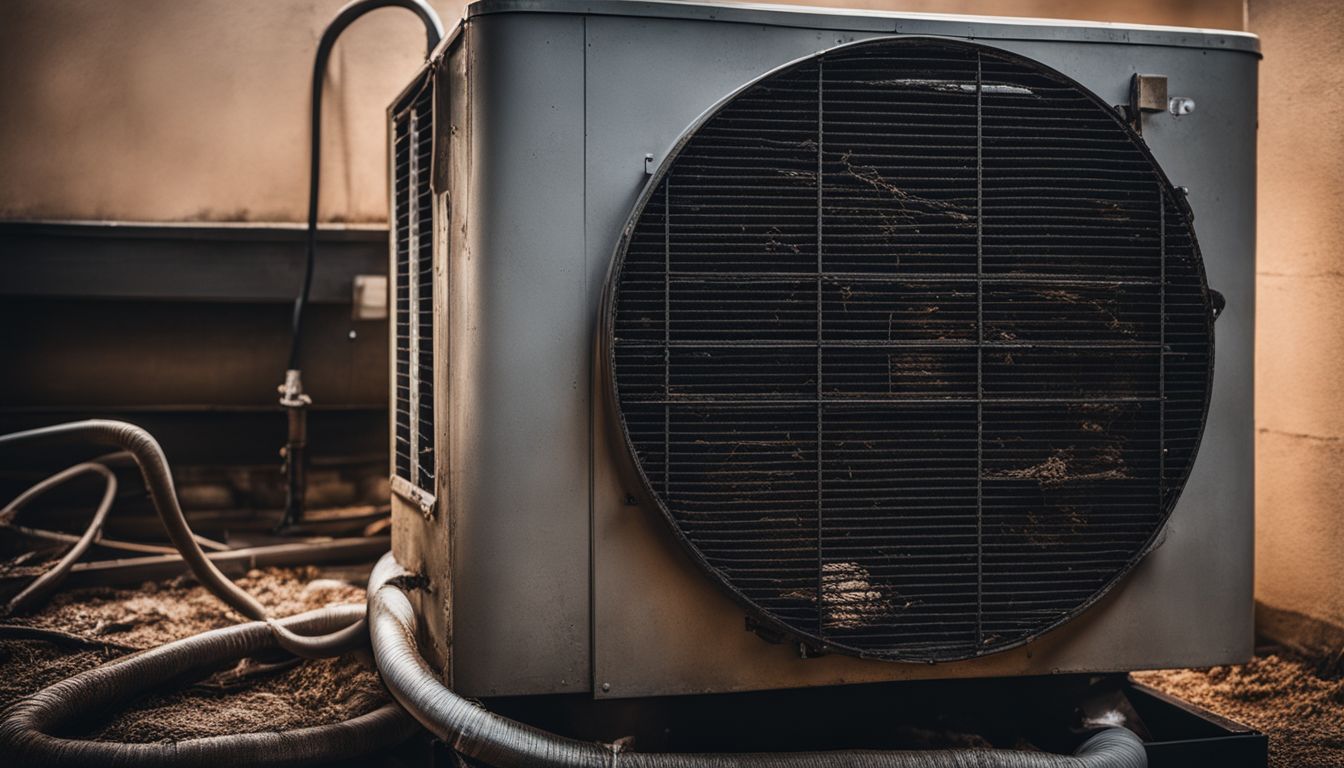
A dirty evaporator coil can wreak havoc on your air conditioning unit, often leading to a freezing problem. Over time, dust and debris accumulate on the coil’s surface, which should normally absorb heat efficiently from the indoor air.
However, when cloaked in grime, these coils struggle with this crucial function. As a result, instead of removing warmth and sending cooled air back into your home, they cause condensation to chill too much—a direct path toward ice formation.
Solving this issue requires cleaning the evaporator coil thoroughly to restore its capacity for efficient heat absorption. If left unaddressed, not only does it keep causing freezes but also compromises overall system efficiency.
Regularly tackling dirt buildup is essential for keeping your AC running smoothly and preventing disruptions in cooling during hot weather spells. It ensures that you get clean air and performance aligning with energy-saving goals while dodging avoidable repairs stemming from neglecting such straightforward maintenance tasks.
Blocked Condensate Drain Line
Your air conditioner’s performance can take a serious hit if the condensate drain line gets blocked. This usually happens when dirt, dust, or other debris accumulates in the pipe, preventing water from draining away properly.
Ice may form as well since the trapped water near your unit’s evaporator coil starts to freeze up. This build-up of ice can worsen blockages in the drain, causing more problems for your AC system and potentially leading it to shut down.
To keep your AC humming smoothly, regular checks and cleaning of the condensate drain line are essential. Clearing out this crucial part of your air conditioning unit helps prevent moisture from freezing inside it.
Take action by scheduling maintenance for your HVAC systems regularly; doing so will ensure that issues like these don’t catch you off guard and disrupt the comfort of your indoor environment.
Advanced Aircon Troubleshooting Techniques for Success
Delving into advanced aircon troubleshooting can often reveal hidden issues that standard checks might miss. Start by inspecting the refrigerant levels; insufficient refrigerant suggests leaks which must be sealed to prevent further freezing problems.
Next, examine the expansion valve for any signs of malfunction as it plays a crucial role in regulating refrigerant flow.
For heat pumps and air-source heat pumps, ensure the defrost cycle operates properly. A faulty cycle will lead to ice build-up, severely impacting efficiency and performance. In geothermal systems, verify that ground source loop pressures are optimal — incorrect pressure can disrupt the heat exchange process causing the system to freeze up.
Visual inspections also play a significant role in advanced diagnostics for HVAC units. Check insulation on refrigerant lines and look for wear or damage: compromised insulation could lead to reduced energy efficiency and potential freezing issues.
Lastly, leverage smart thermostats’ diagnostic features where available; they provide valuable real-time insights into irregular performance patterns that could indicate underlying causes of AC freezing.
A Deep Dive into Evaporator Coils
Explore the heart of your aircon’s freezing problem with our in-depth analysis of evaporator coils, revealing their pivotal role in maintaining a chilled and comfortable atmosphere.
Keep reading to equip yourself with vital knowledge on this key component.
Understanding Evaporator Coils
Evaporator coils are vital to the function of air conditioners, as they are responsible for absorbing heat from indoor air. Situated inside or near the air handler where the blower fan is, these coils hold the chilled refrigerant that captures heat as warm air passes over them.
This process not only cools down the air but also dehumidifies it, providing a double benefit in hot and moist climates.
Issues with evaporator coils can lead to significant problems such as ice formation if airflow becomes restricted or if there’s a refrigerant leak. To keep your cooling system running efficiently, regular maintenance of these coils is crucial.
Cleaning them aids in preventing dirt and debris build-up which can impede their ability to transfer heat effectively and could eventually cause an AC freeze-up situation. Ensuring they perform optimally contributes greatly to sustaining your unit’s efficiency and prolonging its lifespan.
The Role of Evaporator Coils in Heat Exchange
Evaporator coils are at the heart of your air conditioning unit’s heat exchange process. These coils, filled with refrigerant, absorb warmth from indoor air, playing a crucial role in cooling your home.
As warm air passes over these chilled coils, the refrigerant captures the heat and carries it away. This transformation lowers the temperature of the air before it circulates back into your rooms.
The success of this system hinges on a delicate balance within the evaporator coils. They must remain cold enough to collect heat but not so cold that they freeze up and impede airflow—an event that can lead to AC freezing-up issues.
A well-functioning set of evaporator coils ensures efficient energy use within heating and cooling systems, helping lower carbon footprints while keeping indoor spaces comfortable during hot seasons.
Common Evaporator Coil Issues and Solutions
Dirt buildup on coils can drastically reduce your air conditioner’s efficiency. To prevent this, regularly clean the coils to ensure they operate at peak performance. Frost and ice are also telltale signs that something’s not right; a common culprit is low refrigerant levels or blocked airflow.
Fixing these issues promptly avoids further damage and restores full function.
Leaks in the evaporator coil often stem from corrosion of copper tubing, which can lead to refrigerant escaping and decreased cooling power. A professional should handle refrigerant leaks due to their complexity and potential environmental impact.
They can seal the leaks, refill the refrigerant, and check for any other potential problems with your system’s operation.
Actionable Tips to Prevent AC Freezing
To stave off the nuisance of a frozen aircon, proactive measures are paramount. Implement practical strategies to maintain your system’s efficiency and dodge the inconvenience of untimely breakdowns.
Regular Cleaning of the Air Filter
Clearing your air conditioner’s filter of dust and debris is a simple yet effective way to keep it running smoothly. A clogged filter forces the system to work harder, which can cause coils to drop in temperature and potentially freeze.
This not only compromises the efficiency of your unit but could also lead to costly repairs down the line.
Make sure you routinely check and clean your filters, especially before peak cooling or heating seasons. By doing so, you maintain optimal airflow through your system, ensuring that every part functions as intended.
Regular maintenance extends the life of your air conditioning units and contributes to reduced energy consumption at home, making it both an economical and environmentally friendly practice.
Ensuring Adequate Refrigerant Levels
To keep your air conditioning unit running smoothly and avoid freezing, it’s essential to maintain the proper refrigerant levels. Low refrigerant can cause the coils to get too cold, leading to ice buildup that hampers efficiency and could damage the system over time.
Periodic checks by a qualified technician will help detect any leaks or drops in refrigerant, ensuring your AC continues to perform optimally.
Properly charged refrigerant is not just about preventing problems; it also maximises energy efficiency. Systems with adequate refrigerant levels operate more effectively, providing better cooling while using less power.
This balance keeps operational costs down and extends the life of your air conditioning unit. Routine maintenance should include assessing these levels as part of a comprehensive approach to air conditioning care.
Maintaining Optimum Airflow
Ensuring your air conditioning system has good airflow is vital for its performance and lifespan. Blocked or restricted air paths can lead to a build-up of ice, causing the unit to freeze and stop working efficiently.
Regularly inspect vents and ducts for blockages, such as furniture covering them or dirt accumulating inside. By keeping these passages clear, you help maintain a steady stream of air that allows your system to function properly.
Clean filters support the flow of cool air through your home. The U.S. Department of Energy highlights the importance of cleaning and tuning up AC units to prevent problems like freezing due to poor airflow.
Replace or clean dirty air filters every few months, more frequently if you have pets or live in a dusty area, as recommended by specialists in sustainable energy systems maintenance.
This simple step not only improves airflow but also increases the seasonal energy efficiency ratio (SEER) and coefficient of performance (COP) by allowing heat pumps—whether they are geothermal heat pumps, mini splits, or traditional furnaces—to work less strenuously while cooling your space effectively.
Keeping the Evaporator Coil Clean
Ensuring your air conditioner’s evaporator coil is clean is crucial for efficient operation. Dirt and grime on the coils can cause your system to work harder than necessary, leading to overheating or even freezing.
This added strain not only increases energy consumption but also raises greenhouse gas emissions, contrary to what we strive for in energy-efficient heating systems like air-to-air heat pumps and water-source heat pumps.
To prevent these issues, regular checks and cleaning of the evaporator coil are essential. A well-maintained coil will ensure optimal performance from your AC unit, contributing to a better heating seasonal performance factor (HSPF) and longer lifespan of the system.
Avoiding dirt accumulation means avoiding unnecessary liquid condensation that can freeze and impair your air conditioning’s effectiveness.
Ensuring the Condensate Drain Line is Unclogged
Keep your condensate drain line clear to stop your aircon from freezing up. This crucial step prevents water backup that can lead to ice forming on coils. Check the line frequently, especially during warm periods when use is heavy, and swiftly remove any obstructions you find.
Water pooling near the air conditioner or sluggish drainage are tell-tale signs it’s time for a cleanout.
To tackle clogs in the drain line, gently flush it with a mixture of water and vinegar. This simple solution breaks down buildup without harming your pipes or the environment. If you’re not comfortable doing this yourself, call in a professional – they have special tools for clearing even stubborn blockages quickly and efficiently, ensuring your system runs smoothly without risk of overflows or freezes.
The Importance of Regular Aircon Maintenance
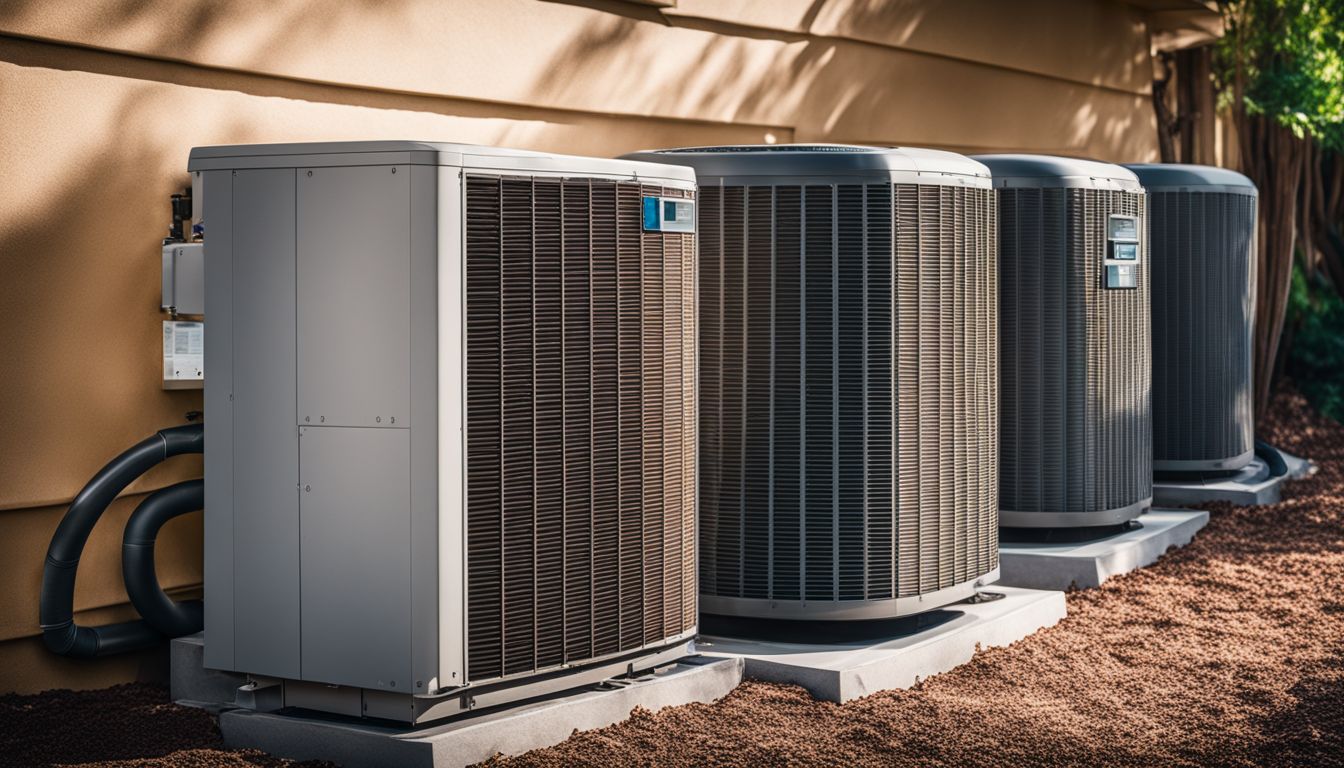 Regular aircon maintenance stands as a vital practice for ensuring your unit works at peak efficiency. Clean evaporator coils are key to effective cooling, and without routine checks, they can become clogged with dirt and debris.
A well-maintained AC system avoids the common pitfalls of freezing issues that stem from neglecting these essential components.
Scheduled check-ups prevent the build-up of frozen parts within the air conditioning unit. This is particularly critical during the hot months when you rely on your aircon the most.
Ignoring necessary maintenance tasks like replacing dirty filters or cleaning coils can lead to inefficient operation and skyrocketing energy bills. Ensuring your system runs smoothly not only maintains comfort but also saves money in the long run by sidestepping costly breakdowns due to poor upkeep.
Regular servicing keeps each part of your air conditioner performing correctly; this includes monitoring refrigerant levels and maintaining clear condensate lines. A proactive approach to AC care minimises disruptions in performance and extends the lifespan of your equipment, sparing you from premature replacement expenses.
It’s about being smart with your home cooling – investing a little care today can mean avoiding significant inconveniences tomorrow.
Deciding Between AC Repair or Replacement
Understanding whether to repair or replace your air conditioner includes assessing several key factors. If your unit is more than a decade old and constantly needs fixes, it might be time to invest in a new one.
Frequent breakdowns not only disrupt comfort but can also add up financially, making replacement a cost-effective choice.
Consider energy efficiency—a new air conditioner often consumes less power and could reduce monthly bills significantly. Modern systems come with advanced features that enhance cooling efficiency and improve indoor air quality.
Furthermore, if you’re facing excessive noise problems or uneven cooling throughout your space, these are strong indicators that the current system may no longer be sufficient for your needs.
Evaluating the extent of damage is crucial too; minor issues like clogged filters or drain lines can be sorted with repairs whereas significant concerns such as compressor failure often warrant a complete replacement.
Remembering that safety should never be compromised, an outdated AC can pose risks; hence upgrading to a newer model ensures you adhere to current safety standards. Lastly, while considering aircon replacement costs in Singapore, balance them against long-term savings from reduced energy consumption and fewer repair expenses in the future.
Common Misconceptions about Aircon Freezing
Many people think malfunctioning thermostats are only a winter issue, but they can also lead to an aircon freezing in warmer months. It’s crucial to realise that thermostat problems can disrupt the cooling cycle at any time, causing the system to run continuously and freeze up.
An oversized AC unit is another misconception; it doesn’t always mean better cooling. In fact, an overly large unit cycles off too quickly, leaving humidity in the air which may contribute to freezing.
Blocked airflow isn’t just down to obstructions around your AC unit; a dirty or clogged filter inside could be the culprit. Regular checks and cleaning of air filters are essential for preventing ice build-up on your coils.
Contrary to some beliefs, simply cranking up your AC won’t solve freezing issues—it’s often a sign of deeper problems like low refrigerant levels or blocked condensate lines that need professional attention.
Conclusion
Aircon freezing can perplex even the savviest homeowners. Tackling this problem demands attention to regular maintenance and understanding your system’s needs. Stay proactive with cleaning filters and monitoring refrigerant levels.
Remember that a well-maintained aircon unit ensures efficiency and longevity. Embrace these insights, and keep your cool all summer long.
FAQs
1. What causes my air conditioner to freeze up?
Blocked airflow or low refrigerant levels can cause your air conditioner to freeze, making it less effective at cooling.
2. How do I know if my aircon is freezing?
If you notice ice buildup on the coils or reduced cooling performance, your aircon might be freezing.
3. Can I fix a frozen air conditioner by myself?
You can try to fix it by changing the filters and giving it time to thaw, but sometimes you may need help from an expert technician.
4. Is regular maintenance important for preventing my aircon from freezing?
Yes, scheduling regular check-ups can prevent issues that lead to freezing and keep your system running smoothly.