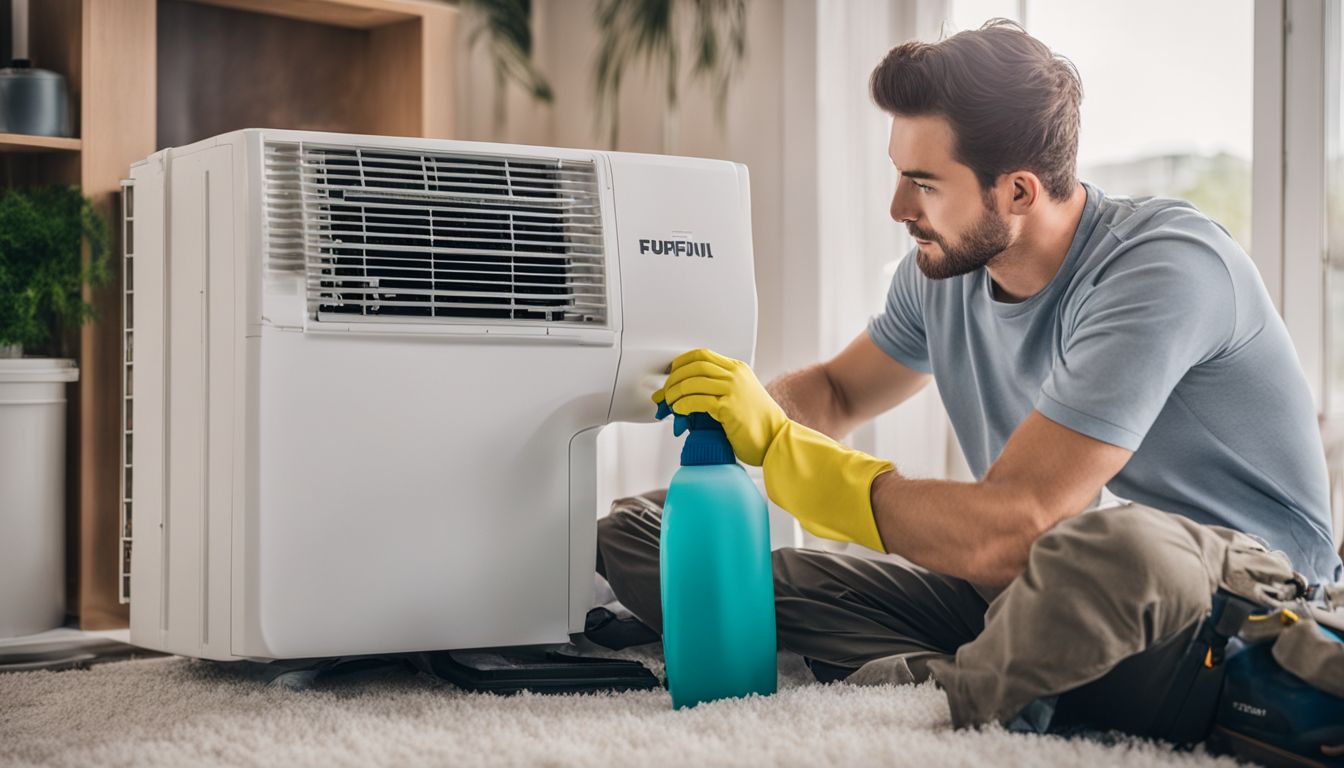
Your air conditioner’s on the blink again, leaving you sweltering in the summer heat. Did you know a simple set of tools could be your ticket to cooling relief? Our guide lays out the must-have gadgets to track down and fix those niggling AC issues.
Dive in for a cooler tomorrow!
Essential Diagnostic Tools for Aircon Troubleshooting
Equipping yourself with the right set of essential diagnostic tools is the bedrock of effective aircon troubleshooting, ensuring HVAC technicians can quickly pinpoint issues and maintain efficient system performance.
From understanding refrigerant levels to assessing electrical components, these instruments are foundational for anyone looking to accurately diagnose and repair heating, ventilation, and air conditioning systems.
Refrigerant Gauges
Refrigerant gauges are indispensable tools for any HVAC technician working on air conditioning systems. They serve as the eyes into the inner workings of an AC unit, measuring refrigerant levels to assess whether a system is charged correctly or if there’s a need for troubleshooting steps.
These precise instruments help pinpoint issues such as refrigerant leaks or blockages that could cause problems with heating and cooling efficiency.
HVAC professionals rely heavily on manifold gauge sets during diagnostic checks and routine maintenance. The manifold gauge set allows them to read high and low-pressure readings in real-time, giving immediate insight into the health of an aircon’s heat exchange process.
Whether servicing residential HVAC equipment or tackling automotive AC repairs, understanding how to use these gauges accurately ensures smooth operation and optimal system performance.
Inverter Check Kit
An inverter check kit stands out as a critical tool for heating, ventilation and air conditioning (HVAC) technicians. It allows them to efficiently test inverter boards, which are integral to the function of modern aircons, especially those with variable speed drives.
Through regular use of this diagnostic device, professionals can identify signs of potential failures before they lead to system breakdowns.
The kit equips technicians with the means to troubleshoot and pinpoint issues within an HVAC system’s inverter. This proactive approach helps maintain optimal performance and prevents unexpected malfunctions that could affect indoor comfort and energy efficiency.
With an inverter check kit at their disposal, specialists ensure they’re prepared to tackle common problems associated with these complex components swiftly and effectively.
Multimeter
A digital multimeter is a versatile tool that every aircon technician needs in their kit. It helps them measure voltage, current, and resistance which are critical when diagnosing electrical issues within HVAC systems.
Using this instrument, technicians can swiftly identify the root cause of sensor failures or control system troubles in air conditioning units.
Technicians often reach for a multimeter to check both AC/DC voltage and the continuity of circuits. This device is particularly handy for testing electric motors and ensuring capacitors receive the right amount of terminal voltage.
Its ability to provide accurate readings makes it indispensable for maintaining heating and air conditioning equipment functioning correctly. With a multimeter, intricate components like contactors, expansion valves, and power supply connections are tested confidently to keep air conditioners running smoothly.
Electronic Refrigerant Leak Detector
Electronic refrigerant leak detectors are a must-have for any AC technician’s toolkit. They provide a precise method to pinpoint leakages in air conditioning systems, which is essential for maintenance and repair work.
These innovative devices ensure that technicians can quickly identify problem areas where refrigerants escape, saving time and avoiding the guesswork often associated with traditional detection methods.
Technicians count on electronic leak detectors because they comply with F Gas regulations, guaranteeing professional standards in HVAC services. Regular checks and proper upkeep of these tools enhance their performance and reliability.
Using an electronic detector facilitates the discovery of refrigerant leaks, whether active or passive, allowing technicians to carry out necessary repairs promptly. This state-of-the-art equipment has reshaped troubleshooting practices by offering accurate diagnostics safeguarding cooling systems’ efficiency and longevity.
Advanced Diagnostic Tools for Aircon Troubleshooting
Delve into the high-tech world of aircon troubleshooting with advanced diagnostic tools, unlocking efficiency and pinpointing issues like never before – continue reading to see these game-changers in action.
Dual Port Manometer
A Dual Port Manometer proves essential for professionals working on heating, ventilation and air conditioning systems. It accurately measures pressure differentials, helping technicians diagnose system problems quickly.
This tool is especially useful for identifying refrigerant imbalances and ensuring that airflow through the system is optimal. With its ability to measure two pressures simultaneously, it provides a clear advantage over single-port manometers when checking combustion air or balancing an air handler.
Technicians rely on this sophisticated device to make precise adjustments that could affect the entire HVAC system’s efficiency. The ease with which a Dual Port Manometer can find issues like blocked filters or closed dampers makes it invaluable in maintaining indoor air quality and reducing energy consumption.
Its precision ensures that heating and cooling systems operate at peak performance, avoiding unnecessary strain on components and extending the lifespan of the equipment.
Hygrometer
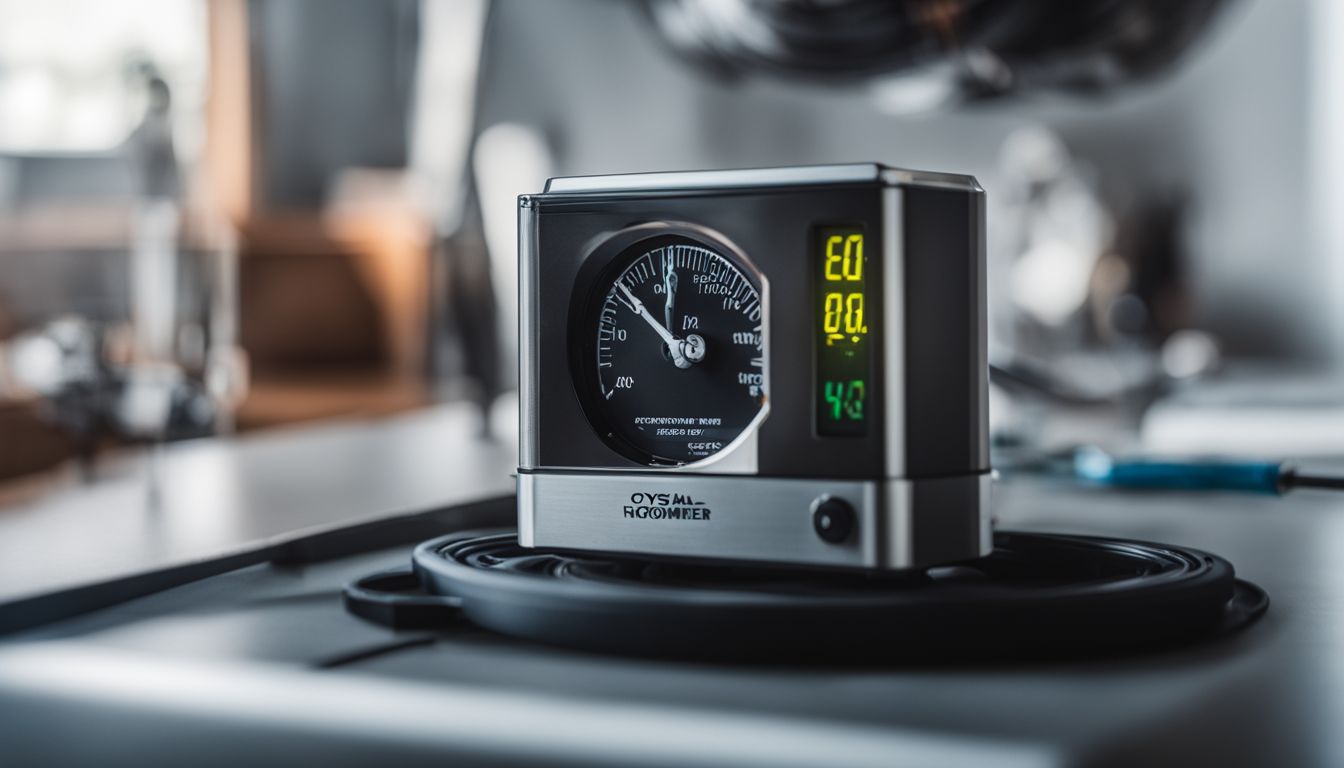
Hygrometers are vital for evaluating the humidity in aircon systems, which is crucial to maintaining an optimal indoor climate. They help technicians detect whether there’s too much moisture or not enough, which can significantly affect both comfort and system efficiency.
With tools like the GE PM880 AC and Pura Advanced Online Hygrometer, professionals have portable solutions at their fingertips to monitor relative humidity levels on the go.
Using a hygrometer allows for precise adjustments within HVAC systems, ensuring they run smoothly while preventing issues caused by improper humidity levels. This ensures that heating and refrigeration units operate properly, providing a comfortable environment without unnecessary energy consumption.
For anyone troubleshooting air conditions or aiming to deliver peak performance in HVAC maintenance, including this tool is essential for accurate diagnostics and effective results.
Thermal Imaging Cameras
Thermal imaging cameras take the guesswork out of identifying issues with air-conditioning systems. By detecting subtle temperature differences, these devices allow HVACR technicians to see heat patterns that signal malfunctioning parts or areas of energy loss.
With a thermal camera in hand, professionals quickly pinpoint hot and cold spots, confirming problems like insulation failures or electrical faults without invasive inspections.
These cutting-edge tools are indispensable for both troubleshooting and maintenance tasks. They help spot overheating components before they fail, ensuring aircon units run smoothly and reduce energy consumption over time.
Their handheld design and integrated visual display make thermal imaging cameras user-friendly while offering high-tech efficiency on the job – a clear example of how smart technology is transforming the HVACR industry.
Wireless Refrigerant Leak Detectors
Wireless refrigerant leak detectors stand out as a game-changer in the HVAC industry, offering a high level of convenience and flexibility for technicians on the move. With these devices, users can quickly identify leaks without being tethered to cumbersome cords or worrying about power sources.
They leverage sensor technology that’s sensitive to various refrigerant types, ensuring that even tiny leaks don’t go unnoticed.
Employing such detectors streamlines the troubleshooting process significantly as they often integrate with smartphones or other smart devices. Technicians receive real-time alerts and readings directly to their handheld devices, enabling them to act swiftly in addressing any issues found within air conditioning systems.
This efficiency not only saves time but also reduces potential damage caused by ongoing leaks.
The Role of Safety Tools in Aircon Troubleshooting
Ensuring the safety of technicians is paramount during aircon diagnostics, as they navigate potential hazards such as electrical shocks and refrigerant exposure. Utilising the correct safety equipment allows for a secure environment while effectively uncovering and addressing system faults.
Personal Protective Equipment
Safety should always take priority when troubleshooting air conditioning systems, and wearing the right personal protective equipment is crucial. HVAC technicians must gear up with items like gloves to prevent cuts and abrasions, safety glasses to shield their eyes from debris, and durable fire-resistant clothing to protect against sparks or flames.
Respirators are essential to avoid respiratory issues when working in dusty spaces or with hazardous materials. In environments where loud machinery operates non-stop, earplugs can be a true hearing saver.
In addition to protecting one’s hands and eyes, proper footwear guards against falling objects and electric shocks. Hard hats become necessary when there’s a risk of head injury from overhead hazards in crawl spaces or basements.
Coveralls keep technicians’ clothes clean while also providing additional protection from various workplace dangers such as chemical spills or sharp edges on condenser coils.
Each piece of equipment ensures every technician gets home safely after providing top-notch service for cooler indoor environments.
Gas Leak Detectors
Gas leak detectors are a technician’s best ally in preventing potential hazards during aircon troubleshooting. Electronic sniffers pinpoint the exact location of leaks by sensing refrigerant gases escaping from pipes or joints.
They emit a beeping sound that grows more frequent as you get closer to the source, making it easier and quicker to identify problematic areas.
Using UV dyes is another smart approach; they work by circulating within the system, and under a UV light, any escaping refrigerant becomes visible as glowing traces along the pipework.
This method not only accurately locates leaks but also helps confirm that repairs have been successful before recharging the system with refrigerant.
Emergency Communication Devices
In the thick of aircon troubleshooting, your safety can hinge on staying connected. Emergency communication devices are a key part of personal protective equipment. They keep you linked to teammates or emergency services if something goes awry.
Picture yourself in a tight spot — maybe you’ve found a gas leak or there’s an electrical mishap — that quick access to help could be life-saving.
These devices aren’t just simple radios; modern technology has advanced them far beyond that. Some are integrated with IoT technology, ensuring alerts go out instantly, and help is swiftly coming.
They might come equipped with location tracking or even support for augmented reality (AR) tools for better coordination during complex rescue operations. Tech support is critical in moments like these, and having reliable gadgets ensures aid is merely a button press away.
The Process of Aircon Diagnostics
Delving into the aircon diagnostics process demands a meticulous examination of the system, where each component’s functionality is rigorously tested to ensure your cooling system operates seamlessly—continue reading to master this crucial skill set.
System Inspection
A thorough system inspection marks the beginning of any air conditioner diagnostics. Technicians closely examine your unit for signs of wear and tear, checking refrigerant levels with manifold gauges and looking for leaks that could impact performance.
This crucial step can reveal problems early on, preventing costly repairs in the future.
During this phase, they also inspect electrical connections to ensure everything is secure and functioning correctly. Cleaning is part of this routine; it involves removing dust, dirt, and debris from different components to boost efficiency.
Regular maintenance like this helps sustain airflow and keeps your AC running smoothly throughout its lifespan.
Testing Electrical Components
HVAC technicians rigorously test electrical components to pinpoint any issues with air conditioning systems. Before embarking on these tests, they always ensure that the power is switched off for safety reasons.
They employ specialised tools like multimeters and voltage testers to assess connections and confirm that each component functions correctly.
During this process, careful attention is given to thermostats, wiring harnesses, and capacitors – all crucial for efficient system operation. Technicians check for normally open circuits, and ground faults and ensure everything is rectified before restoring power.
Their meticulous approach prevents potential hazards and guarantees a proficient diagnosis of electrical anomalies within the AC unit.
Airflow and Thermostat Assessment
Assessing airflow in air conditioning systems is vital for pinpointing issues like blockages that can impact performance. Technicians use tools like anemometers to measure the speed of air coming through vents.
Accurate readings help detect restricted flow areas, allowing for targeted repairs.
Thermostat assessment forms another key component in AC diagnostics. Modern smart thermostats offer precise control over heating and cooling but must be checked regularly to ensure they communicate correctly with the AC system.
Technicians test them using multimeters and temperature probes to confirm they respond appropriately to changes in room temperature and command signals from homeowners.
Troubleshoot AC Cooling Issues: A DIY Guide
Start your AC troubleshooting journey by checking the thermostat settings to ensure they’re appropriate for cooling. If that’s not the issue, move on to inspecting air filters – a clogged filter can block airflow and reduce efficiency.
Clean or replace the filter if necessary and confirm if it fixes the cooling problem. Next, examine the outdoor unit; debris and dirt might obstruct the condenser coils. Gently clean them lightly with a soft brush or hose, being careful not to damage any parts.
Shift focus to check refrigerant levels using digital gauges as incorrect levels could impair cooling performance. Be mindful of safety when handling refrigerants and always wear personal protective equipment (PPE).
If you suspect an electrical fault is causing issues, test components like capacitors and relays with a multi-meter for proper function. Remember that some tasks require specialised knowledge – don’t hesitate to contact a professional if you’re uncertain about any step in this process.
Conclusion
Grasping the right diagnostic tools is vital for aircon troubleshooting success. These gadgets arm HVAC pros with the means to detect and mend issues swiftly. They ensure systems operate efficiently, heading off unwanted expenses.
With such equipment on hand, professionals tackle even complex problems confidently. Ultimately, these tools are indispensable in maintaining peak aircon performance.
If you’re keen to tackle some common issues on your own, be sure to read our comprehensive DIY guide on troubleshooting AC cooling problems.
FAQs
1. What basic tools do I need for aircon troubleshooting?
For basic aircon troubleshooting, you’ll need a socket set, a clamp meter for measuring electrical currents in three phases and a thermal scanner to detect temperature-related issues.
2. Why use a wet bulb temperature reading?
Using a wet bulb temperature reading from devices such as sling psychrometers can help understand the amount of moisture in the air, which is crucial when diagnosing cooling systems like air conditioners.
3. What is the role of a combustion analyser in fixing heaters and furnaces?
A combustion analyser measures the efficiency of combustion in heating systems, helping technicians ensure heaters and furnaces are operating correctly by checking differential pressure and other vital signs.
4. Can augmented reality glasses aid with aircon repair work?
Yes! Augmented reality glasses can display essential diagnostics data directly into your field of visibility while keeping your hands free – ideal for following step-by-step repairs or viewing technical information on the go.
5. Is personal protective equipment important when working on diagnostic procedures?
Absolutely! Always wear personal protective equipment like gloves, safety glasses or lock-out tag-out kits to protect yourself from potential hazards while working on complex heating or cooling appliances.