Your air conditioner works hard to keep you cool but might also be hiking up your bills. Upgrading your system can slash energy consumption by a hefty 7.8%. This article will guide you through simple aircon improvements for big savings.
Get ready to chill smarter!
The Need for Air Conditioning System Upgrades
Air conditioning system upgrades are pivotal for households aiming to enhance their energy efficiency and reduce utility bills. Such improvements not only contribute to a more sustainable living environment but also assure significant long-term financial gains through operational cost savings.
Energy Efficiency
Upgrading to energy-efficient air conditioners is like choosing a car with better miles per gallon – you go further on less energy. These modern units use advanced technology such as inverter compressors that adjust their speed to maintain the desired temperature without wasting electricity.
Not only do they conserve energy, but they also cut down greenhouse gas emissions, contributing to a greener economy and combating climate change.
Implementing energy-saving features in HVAC systems turns our indoor environment into a bastion of sustainability. By selecting high SEER (Seasonal Energy Efficiency Ratio) rated models, homes and offices can experience dramatic reductions in energy consumption.
This shift towards efficient heating and cooling systems significantly shrinks carbon footprints while ensuring comfortable climate control throughout the year.
Reduced Running Costs
Switching to a more energy-efficient air conditioning system slashes your electricity bills. Energy-efficient models work smarter, not harder, using less power to cool your home effectively.
This means you’ll spend considerably less money each month just to keep comfortable indoors. With advancements like inverter technology and higher SEER ratings, modern AC units operate at peak efficiency while trimming down waste.
Investing in these upgrades pays off over time as the reduced energy consumption reflects directly in lower utility costs. Especially if your system reaches the targeted cop3 of 4.7 or above, you’re considering cutting your electricity consumption for cooling nearly in half.
This is not just beneficial for your wallet but also supports broader environmental goals by conserving energy and contributing to a sustainable future with less dependency on fossil fuels for heating and air conditioning needs.
Quieter Operation
Upgrading your air conditioning system does wonders for noise reduction. Modern units feature advanced technology that minimises sound, creating a serene indoor atmosphere. The whisper-quiet functionality of newer models stems from superior design and insulation techniques.
This means less disruption in your home or office and more comfort for everyone inside.
Investing in an inverter air conditioner takes it a step further with its ability to adjust power use to the exact requirement, cutting down on excessive noise and energy consumption.
A silent operation ensures peace and signifies efficient performance, contributing to both immediate tranquillity and ongoing cost savings without compromising cooling efficiency.
Quiet aircon systems blend into the background, allowing uninterrupted work or relaxation.
Exploring Aircon Improvements for Long-Term Savings
Delve into the myriad of aircon enhancements that not only cool your space more swiftly but also slash ongoing upkeep expenses. Get acquainted with cutting-edge, energy-conserving air conditioners and grasp how SEER ratings are pivotal in driving up energy efficiency for substantial financial relief over time.
Faster Cooling and Heating
Modern air conditioning systems have come a long way with advancements that offer faster cooling and heating capabilities. These improvements mean you don’t have to wait as long for your home or office to reach the perfect temperature, giving you immediate relief from outdoor weather conditions.
Upgraded HVAC units are designed to react quickly, ensuring spaces are conditioned efficiently without wasting energy.
High-performing aircon upgrades not only work swiftly but also significantly cut down on electricity usage in hot and humid climates, where up to 50% of total energy consumption can be attributed to HVAC systems.
Smart thermostats paired with these systems optimise performance by adjusting temperatures according to real-time needs, thus conserving energy while maintaining comfort levels. This kind of responsive technology aligns well with efforts towards sustainable buildings and green building practices that reduce environmental impact and promote clean energy use.
Reduced Maintenance
Upgrading your air conditioning system streamlines its operation and slashes the need for frequent servicing. Enhanced reliability from new technology means parts wear out less often, so you’re not constantly calling in technicians or facing hefty repair bills.
Think of it like getting a reliable car; fewer breakdowns translate directly into time and money savings.
Investing in an upgraded air conditioner pays off with smoother performance over a longer lifespan. These improvements reduce the hassle of unexpected malfunctions that disrupt your comfort at home.
With robust systems that run effectively for longer periods, you’ll spend less on upkeep and enjoy seamless cooling without worrying about constant maintenance checks.
Energy-Conserving Air Conditioners
Energy-conserving air conditioners are at the forefront of sustainable HVAC technology, aiming to reduce energy consumption without sacrificing comfort. These systems employ advanced features like programmable thermostats and smart metering, enabling precise control over temperature and usage patterns.
By focusing on renewable energy sources in their operation, they not only conserve energy but also contribute to cleaner air and a lower impact on the environment.
Selecting an AC unit with a high Seasonal Energy Efficiency Ratio (SEER) can significantly decrease electricity use. Homeowners can witness long-term savings as these units operate more efficiently than traditional models.
They might come with a higher upfront cost; however, the investment pays off through reduced utility bills and mitigation of environmental damage over time. This shift towards energy-efficient appliances is pivotal for green buildings seeking to combat climate change while fostering better indoor air quality.
Understanding SEER Ratings for Energy Efficiency
Understanding SEER ratings is key to making an informed choice about air conditioning units. The Seasonal Energy Efficiency Ratio, or SEER, measures how effectively an air conditioner cools a space over a typical cooling season.
It compares the amount of electrical input needed to run the unit against the cooling output it generates. Simply put, the higher the SEER rating, the more efficiently an AC unit converts electricity into cooling power.
Investing in a high SEER-rated air conditioner pays off lower energy bills and contributes to less strain on our environment. Air conditioners with higher ratings are proven to conserve energy and manage heat pumps better than models with lower SEER values.
This makes them not only economically sound choices but also environmentally friendly, by reducing energy wastage and reducing greenhouse gas emissions associated with electricity production.
Evaluating Consumption and Cost Savings from New Air Conditioner Purchases
Delving into the financial benefits, we scrutinise how newer aircon models can significantly curtail electricity usage and translate to substantial cost reductions over time. It’s essential to gauge both immediate and ongoing savings that stem from investing in an energy-efficient HVAC system.
Pre-Treatment Trend Checks
Before investing in a new energy-efficient aircon unit, it’s wise to conduct pre-treatment trend checks. These checks establish how much energy your current system consumes and set a benchmark for future savings.
By measuring your air conditioner’s performance before the upgrade, you can pinpoint the exact improvements after installation.
Experts use survey and analysis methodology to assess your air conditioning system’s efficiency. This evaluation is crucial because it reveals the potential benefits of switching to an appliance with a better SEER rating or one that conserves energy more effectively.
Making informed decisions based on these metrics will lead to significant long-term cost reductions on electricity bills.
Implications for the Rebound Effect
Upgrading to a more energy-efficient air conditioning system promises significant savings in electricity consumption. However, these improvements could unintentionally lead to increased usage due to the rebound effect.
As households enjoy faster cooling at lower costs, they might opt for colder indoor temperatures or extended use, potentially offsetting some of the anticipated energy savings.
The direct rebound effect plays a crucial role here; it shows how people adjust their energy use when operating costs drop. Lower bills can mean more disposable income, which may encourage higher consumption elsewhere or even additional aircon use during milder weather.
To keep energy management on track, promoting conscious energy-saving behaviour is essential alongside adopting new technology. This balances personal comfort with prudent energy conservation practices and ensures that advancements in HVAC systems truly contribute to reducing overall energy demand.
Policy Implications and the Role of Energy-Efficient Appliances
5. Policy Implications and the Role of Energy-Efficient Appliances: Governments worldwide are recognising the transformative impact of energy-efficient appliances on national energy profiles, leading to a surge in policies that promote the adoption of greener technologies.
From financial incentives to mandatory labelling schemes, these strategies aim not only to curb household electricity usage but also to shape a more sustainable and responsible energy infrastructure for future generations.
Household Electricity Saving under Public Pressures
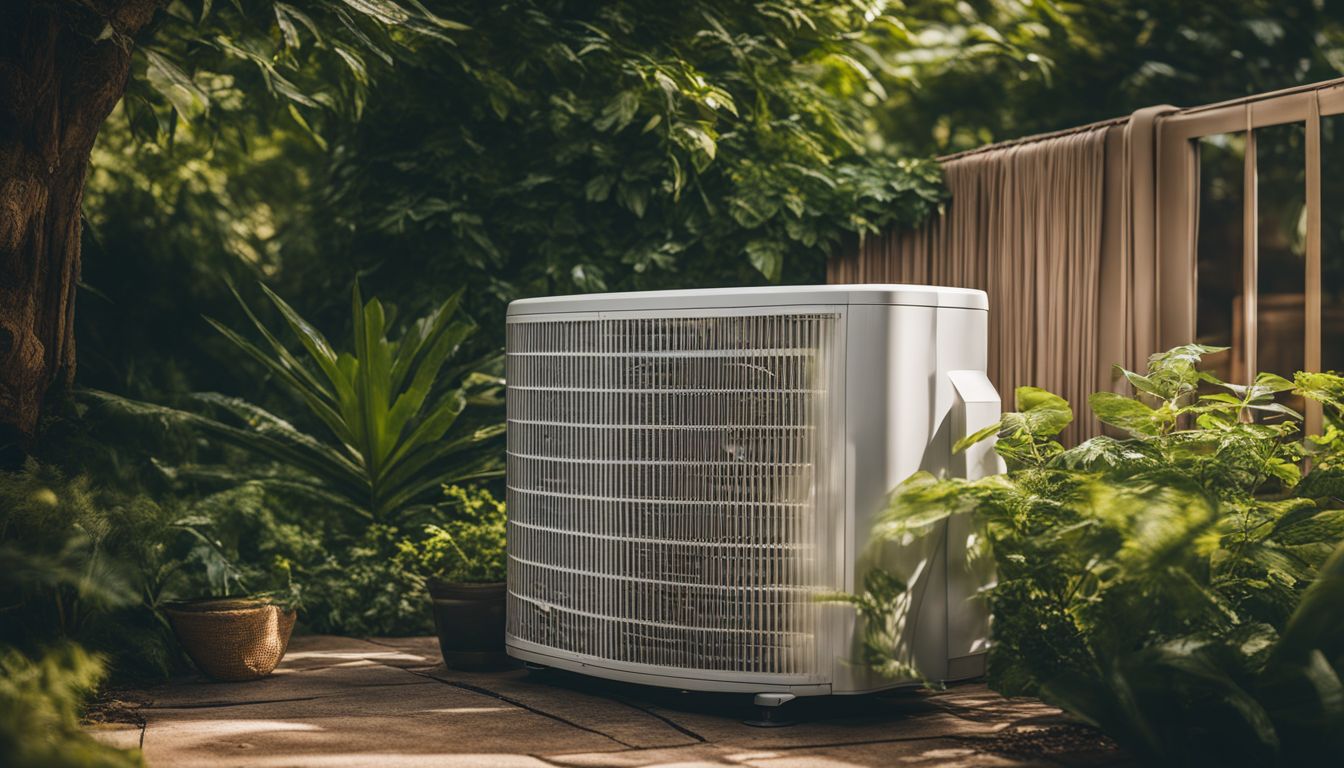
Public pressure often pushes households to reduce electricity use, especially in places like Singapore where air conditioning is a big part of energy expenses. Families are becoming more aware that using less power not only eases their utility bills but also benefits the environment.
This shift towards conservation has led many to invest in high-efficiency air conditioners and heaters, which consume far less energy than older models.
Government campaigns and policies can play a vital role by offering financial incentives for those who choose energy-efficient appliances. Smart meters and energy audits are tools that help residents understand their consumption patterns better.
These measures combined with infrastructure changes such as property-assessed clean energy programs ensure ongoing efforts to reduce electricity usage despite growing societal demands for comfort and convenience.
Energy Efficiency Incentives
Governments worldwide are rolling out energy efficiency incentives to make it easier for households and businesses to upgrade their air conditioning systems. These financial perks might include tax rebates, lower utility rates, or upfront discounts on purchasing high-efficiency HVAC units.
By taking advantage of these offerings, consumers can invest in appliances like energy-conserving air conditioners that earn ENERGY STAR ratings, leading to significant savings on electricity bills.
Such incentives are a cornerstone of energy policy to reduce overall energy consumption without sacrificing comfort or convenience. They not only lighten the load on consumers’ wallets but also contribute to environmental conservation by curtailing demand on the electric grid.
Through initiatives such as mandatory energy labelling schemes (MELS) and minimum performance standards, buying top-performing equipment becomes less daunting financially and more attractive in terms of long-term gains.
Conclusion
As we embrace aircon upgrades, we position ourselves for a future of sustainable comfort and savings. Investing in modern, energy-efficient systems pays off by cutting down on electricity usage dramatically.
Households experience greater indoor comfort while pocketing the savings from reduced utility bills. Indeed, such improvements are smart moves towards an eco-friendly lifestyle without sacrificing cool relief during hot seasons.
Remember, each step towards upgrading your air conditioning is a leap towards a cost-efficient and environmentally conscious home.
Discover more about how the Seasonal Energy Efficiency Ratio (SEER) ratings impact your long-term savings on air conditioning.
FAQs
1. How do energy-efficient aircon improvements lead to long-term savings?
Making energy retrofits like upgrading to heating, ventilation, and air conditioning systems with higher MPG can reduce energy consumption and electricity bills over time.
2. Can installing LED lights in my car’s aircon system save money?
Yes, switching to LED lights in your car’s aircon system uses less power and is part of the energy-efficiency measures that reduce energy consumption and save costs.
3. What is a mandatory energy labelling scheme (MELS) for aircons?
The Mandatory Energy Labelling Scheme labels appliances like aircon based on how much energy they use, guiding you to choose more efficient models that will help you save money.
4. Why are governments interested in improving home and car air conditioning systems?
Governments endorse policies promoting home and vehicle HVAC system improvements because these changes align with the International Energy Agency’s goals of reducing global energy use through better energy policies.