Are you worried about the safety and efficiency of your air conditioning system? It’s a fact that regular maintenance can drastically improve both security and performance. This article provides essential tips for safe aircon use, from choosing the right settings to understanding advanced features.
Dive in to keep cool and secure!
Understanding Air Conditioning and Its Importance
Air conditioners play a pivotal role in maintaining comfortable indoor climates, especially during severe weather conditions. They regulate temperature and humidity levels, which contribute significantly to our well-being and productivity.
The Centers for Disease Control highlights the importance of efficient air conditioning systems in preventing illnesses related to extreme heat. Today’s AC units are not just about cooling; many come with heating functions, offering year-round climate control.
Modern life sees these devices as essential components of home comfort, but their role extends beyond just personal convenience. Air conditioning is critical for preserving the quality of indoor air by filtering out pollutants and allergens.
This safeguarding of public health aligns with energy efficiency advancements aimed at reducing energy consumption without compromising service quality. As HVAC systems account for a substantial part of household energy use, selecting and operating them wisely can lead to significant savings on energy bills while still benefiting from their essential services.
Exploring AC Options: A Guide to Cooling Systems
Choosing the perfect air conditioning unit can make a massive difference in your comfort and energy bills. Central systems cool entire homes, but mini-split air conditioners target specific rooms, offering flexibility and reduced energy consumption.
Portable air conditioners move easily from room to room; they’re great for renters or those who prefer a temporary cooling solution. Every system has its unique features — programmable thermostats help maintain ideal temperatures without constant manual adjustments, while sleep mode ensures energy-efficient operation at night.
Understanding seasonal energy efficiency ratio (SEER) ratings is key in selecting an efficient cooling system. Higher SEER-rated units often provide long-term savings by using less power to achieve the same level of comfort as lower-rated models.
Before installation, consider the size of your space: An oversized system may cycle on and off too frequently, whereas one that’s too small won’t adequately cool your home. Regular maintenance extends an air conditioner’s lifespan, with simple actions like changing air filters having a significant impact on performance and indoor air quality.
Essential Measures for Secure Aircon Usage
Adopting essential measures for secure aircon usage ensures optimal performance, and longevity of the system and can significantly contribute to a safer and more energy-efficient home environment; read on to discover how you can implement these practices effectively. Regular Change of Air Filter
Maintaining your air conditioner includes frequently changing the air filter, a critical step to keeping the airflow clean and efficient. A clogged or dirty filter restricts airflow, causes stress on your AC system, and reduces its lifespan.
The cleanliness of your filter directly impacts the quality of air circulating through your home. Manufacturers recommend a specific schedule for replacing filters, typically found in the user manual.
Following these guidelines helps prevent pollutants from affecting indoor air quality.
Selecting the right replacement filter is essential to capturing impurities effectively. Air filters come with different ratings that measure their ability to trap dust particles and other airborne materials; higher ratings indicate greater efficiency at purifying indoor air.
Regularly checking and replacing the filters ensures that you breathe healthier air while also conserving energy by reducing strain on the AC unit. This simple routine maintenance task can extend your appliance’s life and contribute positively to household well-being.
Utilisation of Smart Thermostats or AC Controllers
Smart thermostats and AC controllers are changing the game for air conditioning systems by optimising energy usage. With these innovative devices, you gain precise control over your home’s temperature, even when you’re miles away.
They connect to the internet, allowing you to adjust settings from a smartphone or tablet. This remote access means no more worrying about forgetting to switch off the AC before leaving home; a simple tap on your device can do it for you.
These smart gadgets also offer detailed reports on your energy consumption, which helps identify patterns and make smarter choices about your cooling needs. For example, setting up automatic schedules ensures that your living space is at the perfect temperature right when needed without wasting electricity at other times.
Integration with other smart home devices further extends their functionality, enabling voice commands through Google Home or Amazon Alexa and creating an interconnected, efficient system within your residence.
By embracing this technology for air conditioning management, households not only improve comfort but also contribute to addressing climate change by reducing unnecessary energy wastage.
Appropriate Temperature Setting
Setting your air conditioner to the ideal temperature can make a huge difference in how comfortable you feel and how much energy you save. Experts recommend keeping it between 24ºC and 26ºC during hot summer days.
This strikes a balance, creating a cool environment without pushing your AC unit too hard. Keeping temperatures at this range ensures that indoor spaces stay pleasant while also being energy efficient.
Ensuring your air conditioning is set correctly plays into both comfort and cost-effectiveness. A setting of around 28–29 degrees helps maintain an even indoor climate, preventing overuse of the system which can lead to needless energy consumption and increased utility bills.
Adjusting the thermostat to these advised levels means getting the most out of your air-conditioning units without wasteful excess.
Turning Off the AC when Not in Use
Turning off your air conditioner when leaving the room can slash electricity bills significantly. This simple step stops energy from being wasted on cooling a space, which is both cost-effective and environmentally friendly.
Consider using fans as a more energy-efficient option for maintaining comfort levels in occupied rooms; they consume far less power than air conditioners.
Maintain your AC unit by planning for those periods when it will remain unused. Long spells of inactivity can lead to dust accumulation and potential debris blockages within the system.
Make sure to perform preventative maintenance before these lengthy downtimes, which will ensure that when you switch it back on, it operates at peak efficiency without extra repair service costs sneaking up on you later.
Using Sleep Mode at Night
Activate sleep mode on your air conditioner before heading to bed. This nifty feature works by slightly increasing the room’s temperature as you snooze, marrying comfort with energy efficiency.
Not only does this prevent the chill that can disrupt a good night’s rest, but it also conserves power and could reduce your monthly energy bills.
Ensuring your AC is set to sleep mode allows for a gradual temperature adjustment throughout the night, aligning with your body’s natural cooling as you enter deeper stages of sleep.
It’s an effortless way to maintain a pleasant sleeping environment while being mindful of energy consumption and long-term cost savings.
Ensuring Right-Size AC for Room Size
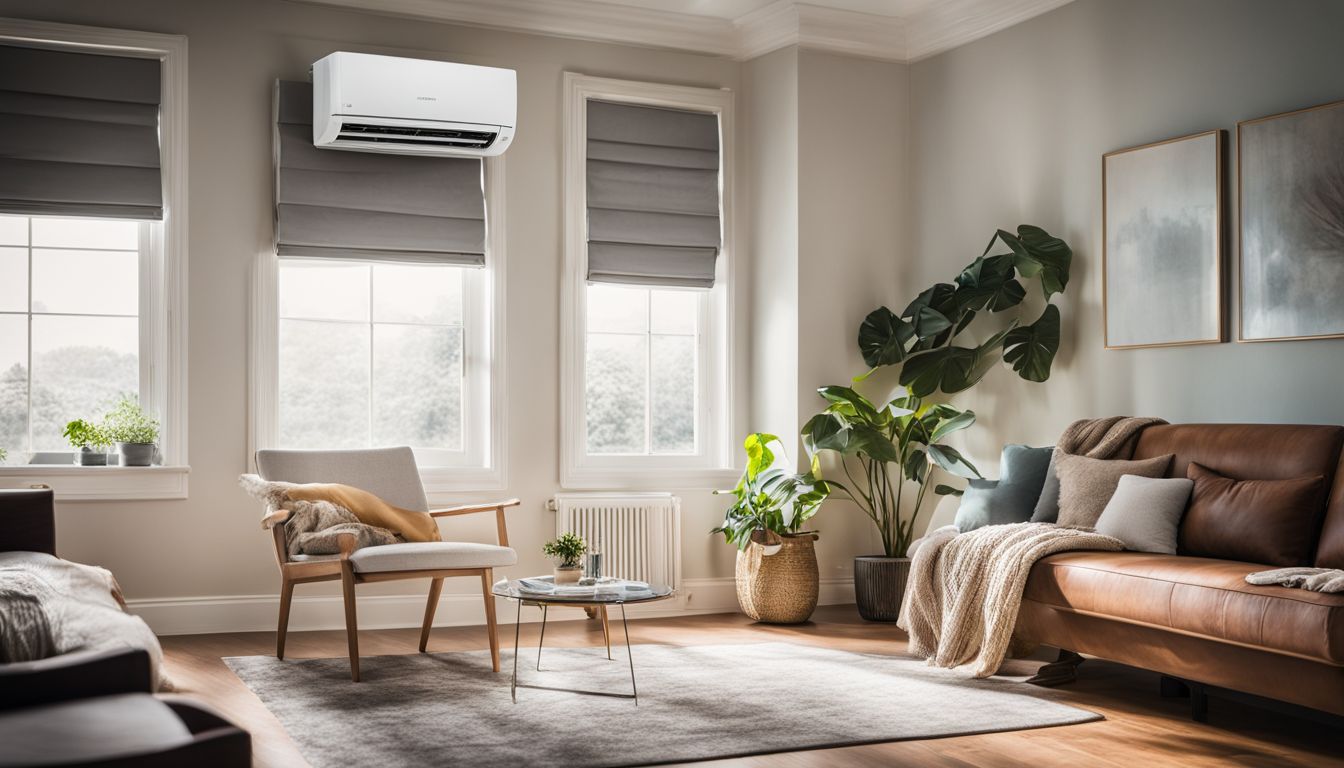
Choosing an air conditioner that’s the perfect fit for your room isn’t just about comfort—it’s a smart way to save energy. Before you pick one out, measure your space carefully. Every square foot counts in finding an AC with the right cooling capacity.
Look for units measured in British thermal units (BTUs) and match those numbers against your room size.
Keep in mind that an oversized AC won’t make you feel more comfortable during hot days. It can cycle on and off too quickly without properly reducing humidity or providing even cooling.
It’s all about balance—selecting an aircon that aligns with your room’s dimensions ensures efficient operation and helps keep utility bills low. So always check the specifications before installing your next cooling system; this prevents wasted energy and maintains a cool, consistent atmosphere at home.
Partially Opening Doors and Windows for Better Efficiency
Allowing a gentle breeze into the room can work wonders for your air conditioning efficiency. Cracking open doors and windows creates a balanced airflow, making it easier for your AC to regulate the temperature.
This simple tweak to your daily routine taps into natural ventilation and could lead to noticeable energy savings on your next bill.
Experiment with different window-opening patterns to find what works best for your space. Strategic venting helps maintain optimal indoor comfort while cutting down on excessive power use from overworked HVAC equipment.
It’s all about crafting that perfect environment where technology meets nature in harmony, ensuring fresh air circulates without compromising on coolness or rocketing up energy costs.
Impact of Air Conditioning on Health
Air conditioning can significantly boost recovery for individuals with health conditions. It stabilises vital signs, eases cardiac stress, and speeds up healing, contributing to overall physical health.
This is especially crucial in hot climates where AC provides a much-needed escape from oppressive heat, allowing the body to rest and recuperate.
However, continuous use of air conditioning might dry out the skin and irritate mucous membranes. Regular cleaning and maintenance of HVAC systems are essential to avoid the buildup of moulds that could affect indoor air quality.
Non-ducted heating like fan-coil units or mini-split air conditioners require frequent checks to ensure they don’t recirculate potentially harmful particles or contribute to virus spread.
Research suggests that well-maintained AC systems may decrease some health risks but neglecting simple upkeep steps could turn these helpful home appliances into hazards over time.
Interaction of Air Conditioning with Other Devices
Discover how your air conditioning system can seamlessly integrate with various household devices for enhanced comfort and convenience, delving into the smart interplay between cooling technology and home electronics.
Humidifiers
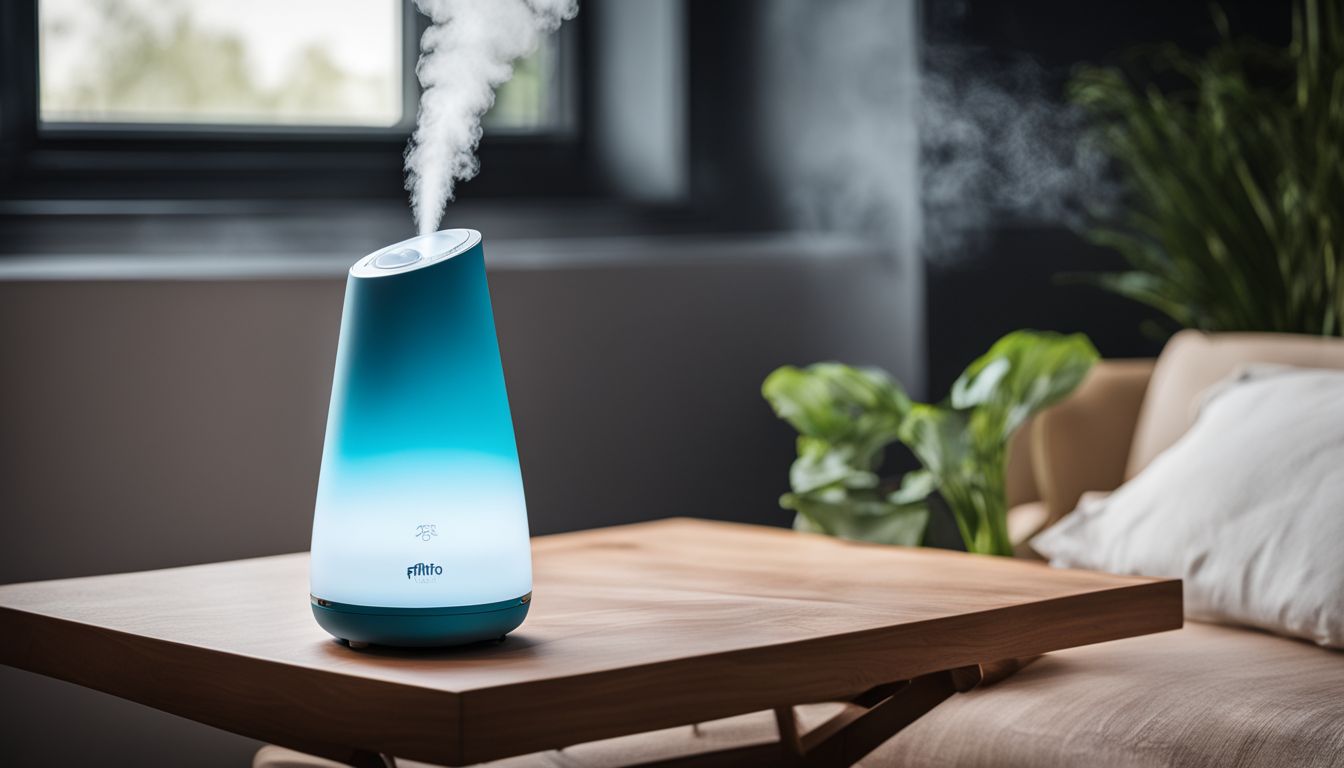
Humidifiers work hand in hand with air conditioners to create a comfortable environment in your home. By increasing the moisture levels, these devices prevent the dryness that often accompanies the cooled air of an AC unit.
Use them wisely and you’ll feel the benefit without a significant hike in electricity usage since they are more energy-efficient than air conditioning systems.
Ensure you clean and maintain your humidifier regularly to avoid mould or bacteria growth, which can harm indoor air quality. Proper storage is also essential when not in use; it ensures that your humidifier remains effective the next time you need it, providing relief from dry conditions created by constant AC activity.
Always follow manufacturer guidelines for care to extend the life of your device and make sure it’s safely adding just the right amount of moisture into your living space.
Smart TVs
Smart TVs have revolutionised the way we interact with our home entertainment systems. With their ability to connect to the internet, they offer access to a vast array of streaming services, and social media platforms like Twitter and Facebook, and even allow for the integration of advertising cookies.
Such connectivity transforms your TV into a central hub for both leisure and smart home management.
Linking your Smart TV with other IoT devices can lead to an efficient, interconnected household. Imagine giving voice commands through Alexa or another voice assistant to manage settings on your appliances while you enjoy your favourite series or movie.
These televisions are not just screens; they symbolise advanced information and communication technology (ICT) that makes everyday living smarter and air conditioning control more seamless from the comfort of your sofa.
Alexa
Air conditioners have come a long way, and now with the integration of Amazon Alexa, managing your home’s climate is easier than ever. Voice control lets you adjust the thermostat and set temperatures without lifting a finger.
Imagine walking into your room on a scorching summer day and simply saying “Alexa, set the air conditioner to 22 degrees,” ensuring immediate comfort.
These Alexa-enabled thermostats not only provide convenience but also help in enhancing energy efficiency. You can schedule cooling cycles to match your daily routine or even track temperature changes over time using Alexa skills.
They team up with air quality monitors to give you real-time updates about humidity and air purity levels in your house. This technology enables you to create an environment that’s just right for you while being mindful of energy usage.
Basic Troubleshooting for Common Aircon Issues
Understanding the basic troubleshooting for common aircon issues is key to maintaining a reliable and efficient cooling system. This section delves into simple diagnostic techniques that can help you identify and potentially resolve minor problems without the immediate need for professional AC repair service, ensuring your unit operates smoothly with minimal disruption.
AC Not Blowing Cold Air
If your AC is not blowing cold air, it could be due to a variety of issues. A common culprit is the thermostat; ensure it’s set correctly for cooling. Dirty air filters might be blocking the airflow, so check and replace them if necessary.
Refrigerant leaks are another potential problem that can cause your system to underperform.
Look into the evaporator coil or condenser as they may require cleaning or repair. Clogged drains can also restrict your AC’s ability to cool effectively. Regular maintenance checks can help prevent these issues from interfering with your comfort.
If troubleshooting doesn’t solve the problem, consider calling an AC repair service to diagnose and fix any complex faults in the system.
Your mini split air conditioner relies heavily on proper coolant levels for optimal performance. Low refrigerant is often a sign of leaks that need immediate attention. Ensuring that cables and power supply connections are secure can evade malfunctions relating to electrical problems in appliances like microwaves ovens or washing machines which share power sources within households.
Freezing Up During Winter
Regular maintenance is key to keeping your air conditioner from freezing up during the colder months. You should ensure that frozen AC lines are allowed to thaw, and you must clean any filters along with dirty evaporator coils as part of this upkeep.
This simple act can be critical in solving issues related to freezing.
Using your air conditioner during cold weather conditions may lead to its components freezing. If dirt and moisture gather, especially in exterior parts of the system, they can sustain damage due to repetitive freeze-and-thaw cycles throughout winter.
Keep an eye on these elements as cooler days approach, and take action early to prevent long-term harm.
Checking the Refrigerant Level
Keeping your air conditioner’s refrigerant at the correct level is vital for its performance. Low refrigerant not only hampers cooling but could also cause your compressor to fail, leading to expensive repairs.
Check this regularly, especially before the peak summer months hit. If you’re not sure how to do it yourself, get a licensed technician on board who can professionally assess and refill if necessary.
Performing routine checks on the refrigerant helps you avoid bigger issues down the line. It ensures that your unit runs efficiently and saves you from facing a sudden breakdown or surge in energy bills.
Remembering that maintaining optimal levels of coolant is key can extend the life of your AC system significantly and provide continuous comfort during hot days.
Diagnosing & Replacing Your AC Capacitor
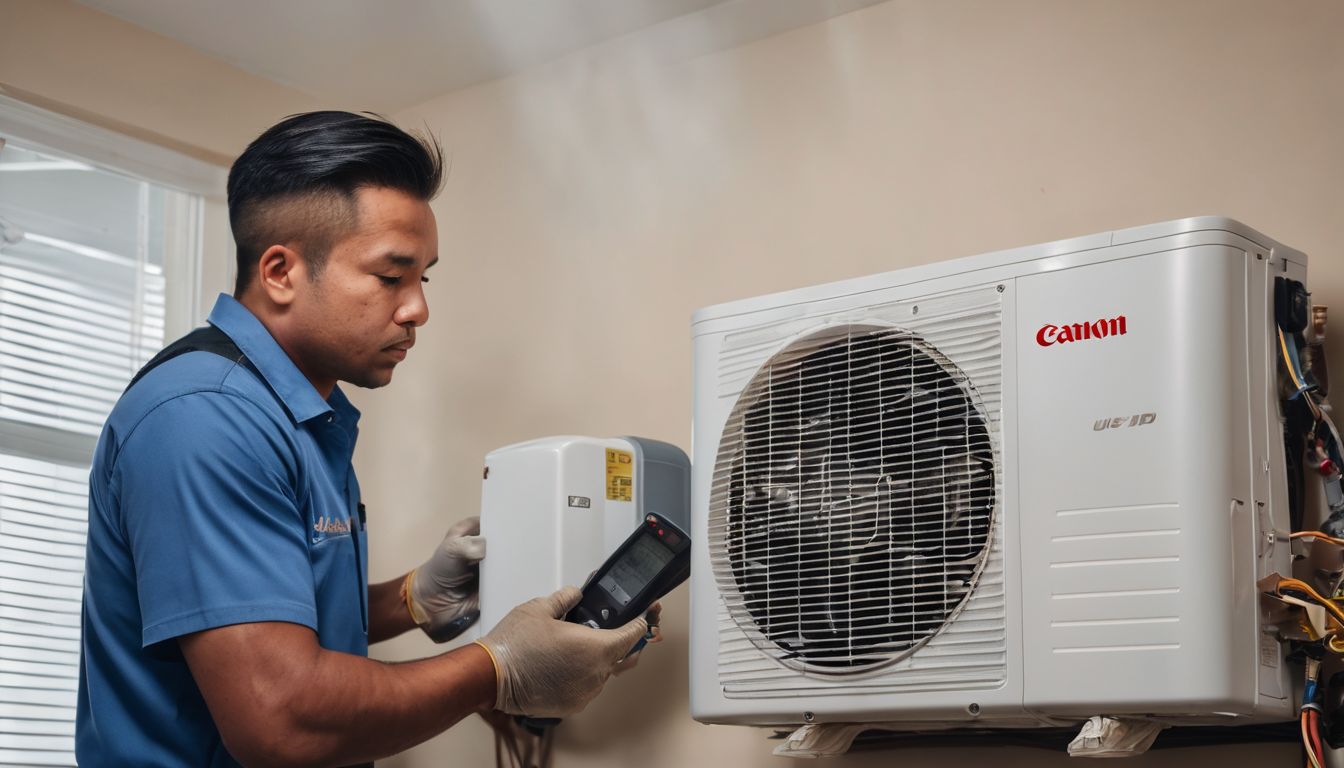
Identifying a faulty AC capacitor in your air conditioning unit is crucial for maintaining optimal performance. Look out for signs such as the AC not starting, humming noises from the unit, or the fan turning slower than usual.
These symptoms often point towards a failing capacitor. A multimeter can help confirm your suspicion by checking the capacitor’s electrical charge.
Replacing an old or damaged AC capacitor ensures your air conditioner runs efficiently and prevents further damage to other components. Make sure you’ve turned off all power to the unit before attempting any repairs and discharge the existing capacitor to avoid electric shocks.
Use hand tools and safety gear while carefully removing the faulty component and fitting in a new one of identical specifications—following manufacturer guidelines ensures the safe installation and operation of your AC system.
Advanced Aircon Features: A Look into the Future
Delving into advanced aircon features, we reveal cutting-edge developments that promise to redefine home cooling efficiency and comfort, inviting you to continue exploring what lies ahead in the realm of climate control technology.
Convertible Air Conditioners
Convertible air conditioners stand out with their superior energy efficiency, consuming around 10 per cent less energy than traditional window units. These innovative cooling devices also boast smart connectivity features, allowing users to control them conveniently through their smartphones or other Internet of Things (IoT) gadgets.
Their advanced technology doesn’t stop there; they feature variable speed fans and inverter compressors which adjust the cooling power based on room temperature.
Users benefit from a comfortable indoor climate while saving on electricity bills thanks to the convertible technology’s variable cooling capacity. This functionality not only makes them an environmentally friendly choice but also enhances the overall user experience with customisable settings that adapt to individual needs.
They represent a smart investment for those looking to upgrade their air conditioning system without compromising on performance or sustainability.
AC with PCB Technology
AC with PCB technology marks a significant leap forward in cooling efficiency and system control. Circuit boards inside the air conditioner act as the brain, making smart decisions that keep your home comfortable while conserving energy.
For instance, they precisely regulate fan speed and compressor activity to maintain desired temperature levels without unnecessary power use.
These advanced PCBs are especially important for outdoor units exposed to fluctuating voltages. Brands like Daikin have enhanced their AC systems with robust circuit boards capable of enduring voltage spikes from zero up to 440V.
This innovation not only improves reliability but also ensures your AC keeps running smoothly even when electricity supplies are unstable, giving you peace of mind during hot days or stormy weather.
Energy Efficiency in Air Conditioning
9. Energy Efficiency in Air Conditioning: Discover how smart usage and the latest technological advancements can transform your air conditioning system into a model of energy efficiency, providing comfort while reducing costs and supporting environmental sustainability.
Tips to Use Air Conditioning Efficiently
Keep your air conditioner’s filter clean by changing it every six months to ensure the unit works efficiently. Dust and dirt clog up filters, causing your AC to work harder and use more energy.
Consider installing a smart thermostat or using an AC controller; these devices help in optimising cooling times, and adjusting temperatures automatically, and can even learn your preferences for smarter energy consumption.
Set your air conditioner at a stable temperature that keeps you comfortable without overworking the system – extreme settings lead to unnecessary energy use.
Embrace natural light during cooler hours but draw blinds when it heats up to reduce indoor temps. This strategy helps minimise reliance on air conditioning during peak sun hours. Turn off the AC when leaving home or if not needed; many forget this simple step which leads to wasteful energy usage.
At night, engage in sleep mode as it gradually increases temperatures while you slumber for added savings without compromising comfort. Ensure the size of your air conditioner matches room dimensions; oversized units cycle on and off too frequently wasting power, and under-sized ones struggle and consume excess electricity trying to cool large spaces.
For rooms that are commonly used together, slightly open doors between them so cooled air flows freely — this balanced approach prevents isolated cold spots and promotes uniformity in temperature distribution throughout your home.
Seal any gaps in windows or doors with weather stripping as draughts can force an AC unit to work harder than necessary. By following these strategies thoughtfully, one stands poised not only to enhance their living conditions but also potentially save hundreds annually on utility bills by reducing their environmental footprint through mindful usage of household appliances like Air Conditioners.
Lowering Energy Bills with AC Use
Lowering your energy bills with air conditioner use involves a strategic approach to cooling. Start by setting your AC to the optimum temperature recommended for both comfort and efficiency; this balance ensures that you’re not overworking the system and racking up unnecessary costs.
Pairing your AC with a smart thermostat can make a significant difference as it adjusts temperatures based on your routines, potentially saving you about $441 annually if you opt for fans at certain times instead.
In addition, consider the size of the room when choosing an AC unit. A correctly sized air conditioner runs more efficiently than one too large or small for the space. Regular maintenance is crucial – replace or clean air filters every few months to prevent dust build-up which can hinder performance.
Also, switch off your AC when leaving home or utilise sleep mode overnight for further savings. These steps can sharply reduce energy usage from conventional ovens, water heaters, and other household appliances that contribute heavily to monthly bills.
Conclusion
Secure aircon usage stands at the forefront of maintaining a comfortable and energy-efficient home. By changing your air filter every six months, you ensure that your system runs optimally and avoids unnecessary strain or dust buildup.
Embrace the use of smart thermostats to keep control over your cooling needs while shaving off extra pounds from your electricity bills. Consider if turning off the AC when away can benefit not just your wallet but also the environment.
Reflect on whether upgrading to an inverter technology unit fits into your green lifestyle choices, potentially cutting costs further. Let’s commit to these essential measures, for they pave the way toward a sustainable, cool future in our own homes!
For a comprehensive examination of the diverse cooling systems available and how to select the one that’s right for your needs, please visit our detailed guide on Exploring AC Options.
FAQs
1. What steps should I take for safe AC installation?
Ensure your air conditioner is installed by a professional, and always check that switches and sockets meet safety standards set by the National Environment Agency.
2. How do inverter technology air conditioners improve safety?
Inverter technology in mini-split air conditioners regulates power use, reducing risks of overheating and ensuring lower power consumption which is safer for your home.
3. What is an earth leakage breaker and why do I need one for my aircon?
An earth leakage breaker is a device that cuts off electricity if it detects leaks or faults in conductors, making it vital for preventing accidents with appliances like your aircon.
4. Why should I regularly clean my air conditioner’s filters?
Cleaning the filters removes lint and dust that can cause blockages and lead to malfunctions or even fires, so regular maintenance keeps your usage secure.
5. Can light dimmers affect how safely I use my air conditioner?
Yes, improperly matched light dimmers may overload circuits when used with high-power devices like an aircon; ensure compatibility to avoid electrical issues.
6. Does standby power pose any risks when using my Air Conditioner?
Standby power does not typically pose direct risks but disconnecting your appliance from the socket when not in use saves energy and minimises wear on the system.