Are you struggling with high energy bills from your aircon? Smart home automation is turning houses into energy-efficient havens. Our guide dives into how linking your air conditioning to automation systems can slash costs and increase comfort.
Keep reading for clever climate control at your fingertips!
The Concept of Aircon with Home Automation
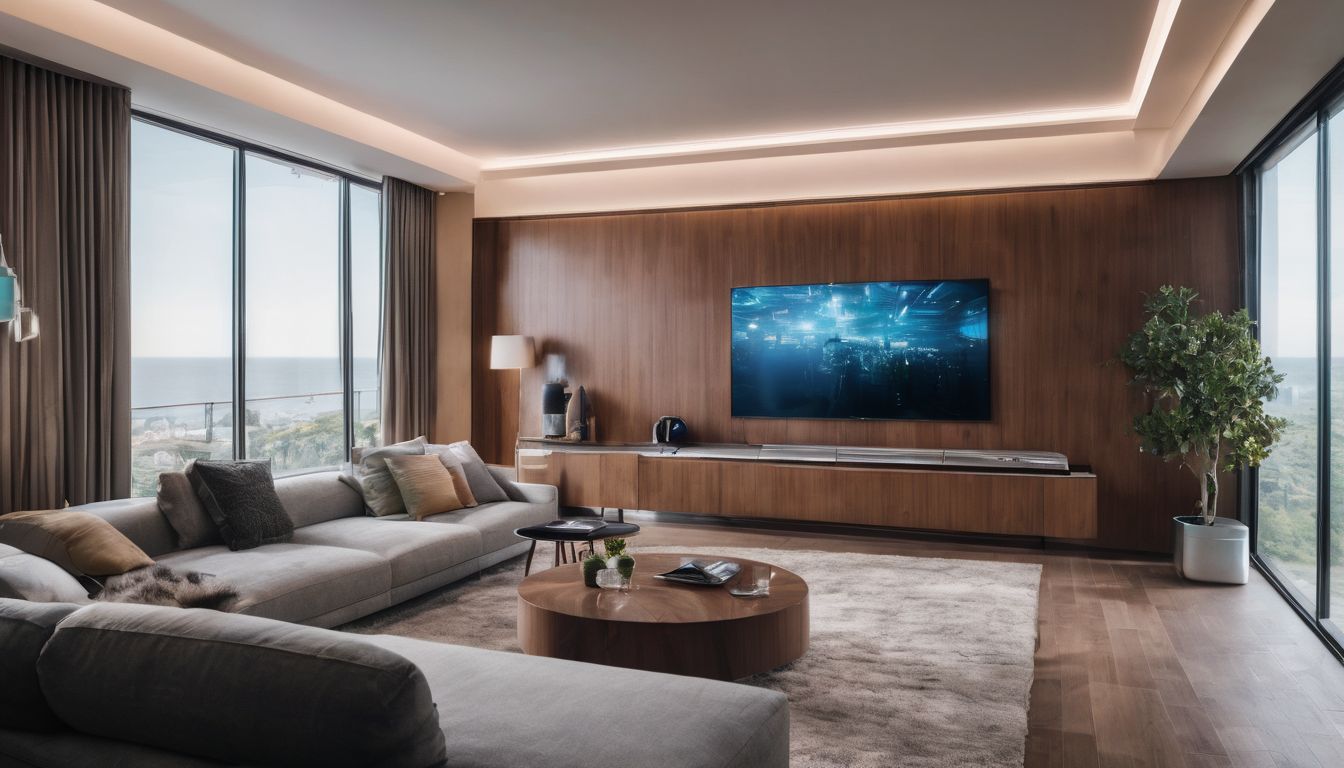
Home automation takes air conditioning to the next level by embedding artificial intelligence within your home’s cooling systems. Air conditioners can now learn from your habits, adjust settings automatically for optimal comfort, and even predict when you’ll be home to ensure a cool environment upon arrival.
With smart thermostats at its core, this system links your AC unit to the internet, turning it into an intelligent device that responds to voice commands or adjusts based on sensor readings.
You can control these high-tech aircon units through smartphones or tablets, making manual adjustments a thing of the past. The integration with other smart home devices means that lighting and heating work harmoniously with your air conditioning for enhanced energy efficiency.
This synergistic approach makes life easier and cuts down on energy consumption, leading to cost savings and environmental sustainability.
Power and Benefits of Thermostat Integration
Integrating your aircon with a smart thermostat unlocks the door to a seamlessly optimised home environment. This synergy not only tailors your indoor climate precisely but also streamlines energy use, cutting down on unnecessary consumption while keeping comfort consistently in check.
Improved Energy Efficiency
Smart thermostats are a game-changer for achieving improved energy efficiency in your home. Upgrading your air conditioning unit to one that can learn from your habits ensures that cooling power is applied only when necessary, significantly reducing energy wastage.
These intelligent devices can also adapt to real-time changes in the environment or personal schedules, cutting down electricity consumption by tailoring the indoor climate precisely to your needs.
Partnering with automated living systems takes energy conservation even further. The US Department of Energy highlights how smart HVAC technology can reduce home energy use by up to 25%.
This saves money on bills and aligns with global efforts to reduce greenhouse gas emissions. With modern aircon units equipped for predictive maintenance and responsive control, homeowners experience noteworthy reductions in their carbon footprint and embrace a more sustainable lifestyle without sacrificing comfort.
Enhanced Comfort and Convenience
Imagine walking into a room that’s already cooled to your preferred temperature without pressing a single button. Home automation and air conditioning systems work together to create this seamless experience, adjusting the indoor climate based on your habits and presence.
These smart technologies learn from your patterns, ensuring that comfort follows you wherever you go in your home.
Control over these systems doesn’t require complex steps either; voice commands or a few taps on a mobile device let you tweak settings effortlessly. Occupancy sensors enhance convenience by detecting whether someone is in the room and adjusting temperatures accordingly for immediate comfort upon entry.
This intelligent adaptation saves time, eliminates manual adjustments, and brings luxury living directly into modern homes.
Optimal AC Performance and Maintenance
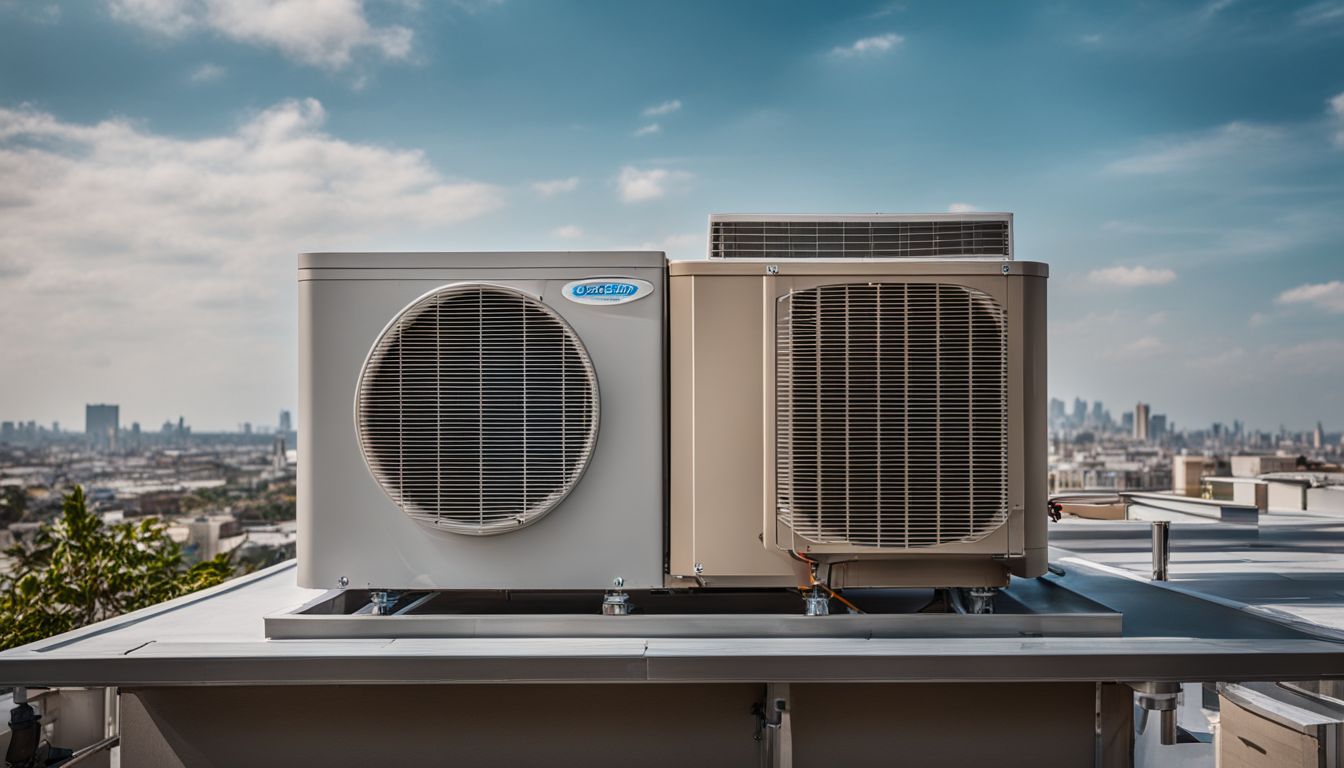
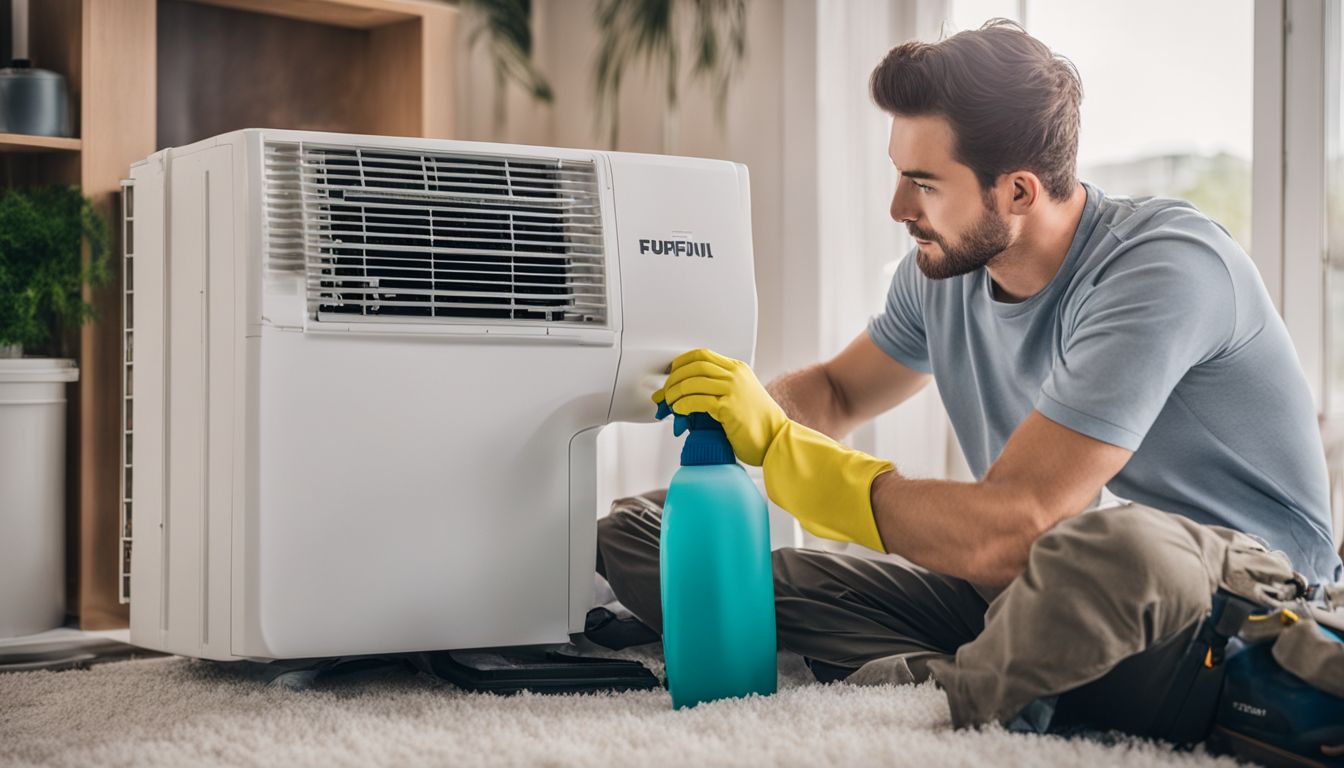
Regular maintenance is key to keeping your AC system running smoothly and efficiently. It ensures consistent temperature levels for comfort and contributes to energy savings by preventing unnecessary strain on the unit.
Proper care includes cleaning or replacing air filters, checking refrigerant levels, and inspecting electrical components to catch any potential issues early on.
The optimal performance of your HVAC system hinges on professional installation and periodic check-ups. These practices help extend the lifespan of automated air conditioning units, allowing you to enjoy a well-regulated indoor environment without frequent breakdowns or costly repairs.
Staying vigilant about your AC’s operation aids in maintaining its efficiency over time, making smart home technology work seamlessly for heating and cooling needs.
Air Purification Features in Modern Air Conditioning Systems
Modern air conditioning systems do much more than cool the air; they also work to improve indoor air quality. They come equipped with advanced filtration technologies like HEPA (High-Efficiency Particulate Air) filters that trap fine dust particles and allergens, making the air safer to breathe.
In addition to mechanical filtration, some units use activated charcoal filters, which are excellent at removing odours and volatile organic compounds (VOCs) from the indoor environment.
Today’s sophisticated AC units may incorporate UV-C light purification methods to tackle microscopic threats such as bacteria and viruses. This technology uses short-wave ultraviolet light to inactivate airborne pathogens by breaking down their DNA or RNA structure, purifying the air as it circulates through the system.
With these features integrated into HVAC systems, people can enjoy comfortable temperatures and peace of mind, knowing their living spaces have cleaner, healthier air.
Guide to Smart Air Conditioning Control
Navigating the smart air conditioning control world needn’t be a challenge; with a practical guide, you can seamlessly integrate cutting-edge technology into your home for unparalleled climate management.
This section offers essential insights to help you select and set up the ideal smart AC controller that aligns with your lifestyle preferences and tech capabilities.
Choosing the Right Smart AC Controller
Before purchasing a smart AC controller, ensure it aligns perfectly with your air conditioning system and smart home devices. Compatibility is key for seamless integration and optimum functionality.
Look for models that support various connectivity modes, such as Wi-Fi, Bluetooth or infrared, to match your setup at home. Brands like Sensibo Air offer versatile solutions that can turn traditional systems into intelligent climate-control centres.
Selecting a controller also involves considering user-friendly features like remote temperature control from mobile devices and geofencing technology. This ensures you can effortlessly manage your indoor climate even when you’re away from home.
Controllers facilitating real-time monitoring help reduce energy consumption by allowing adjustments based on actual usage patterns rather than guesses or fixed schedules. Smart choices contribute to both enhanced comfort and energy-saving goals within smart homes.
Installation and Setting Up of the Controller
- Choose a compatible smart AC controller that aligns with your air conditioner’s brand and specs. Look for one that can integrate with home automation platforms such as Homekit or Google Home to connect it with other smart devices.
- Purchase the Wi-Fi-enabled controller, ensuring it supports both Wi-Fi+Bluetooth modules key technologies for efficient remote control of air conditioners.
- Unbox the controller and read through the manual carefully. Familiarising yourself with the device’s features and installation process is crucial.
- Locate your air conditioner’s IR sensor, as most controllers use infrared signals to communicate with existing AC units.
- Mount the smart AC controller on a wall or place it in a stable position facing the IR sensor of your air conditioner for optimal signal transmission.
- Download the appropriate smartphone app that pairs with your chosen controller. This will give you access to all remote functions, including temperature settings, scheduling, and tracking usage.
- Connect your smartphone to the same Wi-Fi network as the smart AC controller for seamless setup and integration.
- Follow in-app instructions to connect the controller to your home network, allowing you to manage your heating, ventilation, and air conditioning from anywhere.
- Set up temperature preferences, schedules, and energy-saving modes using intuitive controls within the app.
- Test all functions extensively after installation to ensure everything operates correctly—adjust settings accordingly for personalised indoor climate control.
Advantages of Smart AC Control
Embrace a lifestyle where comfort meets technology, as smart AC control brings forth a seamless fusion of convenience and energy management within the palm of your hand. Leveraging such advancements allows for precision climate management in homes, fostering an environment tailored to personal preferences while prioritising sustainable living practices.
Remote Temperature Control
Harness the power of remote temperature control to transform your living space into a haven of comfort. With just a few taps on your smartphone, you can adjust the climate in your home from anywhere in the world.
Imagine stepping into a perfectly cooled or warmed room after a long day at work, all because you sent a command to your air conditioning system while on the move.
By adopting smart AC controllers with WiFi connectivity, you master your heating and cooling systems completely. No more fumbling with old-fashioned dials or rushing home to switch off an accidentally left-on unit.
This seamless integration enhances comfort and contributes significantly to reducing energy consumption by allowing precise temperature regulation that suits your schedule and needs.
AC Scheduling
AC scheduling takes the guesswork out of maintaining your ideal home temperature. Advanced smart AC controllers and thermostats allow you to turn your air conditioner on or off at specific times.
This smart feature ensures you walk into a cool environment without leaving the unit running all day, reducing energy consumption significantly.
You can control your home’s climate from anywhere using your smartphone, thanks to WiFi-connected air conditioners. Plan ahead for different parts of the day or week, and adjust settings on the go if plans change.
With this technology, homeowners enjoy convenience and efficiency, effortlessly managing their living space’s comfort while keeping energy bills in check.
Energy Conservation
Energy conservation is a pivotal feature of smart air conditioning control. With the integration of energy-efficient HVAC systems and home automation, homeowners can significantly reduce power usage.
Smart ACs have been proven to reduce energy consumption by as much as 25%. This slashes electricity bills and contributes to environmental protection by lowering carbon emissions.
Smart sensors are crucial in managing indoor temperatures effectively without wasting energy. They adjust air flows precisely, ensuring rooms are cooled or heated according to occupancy and preference.
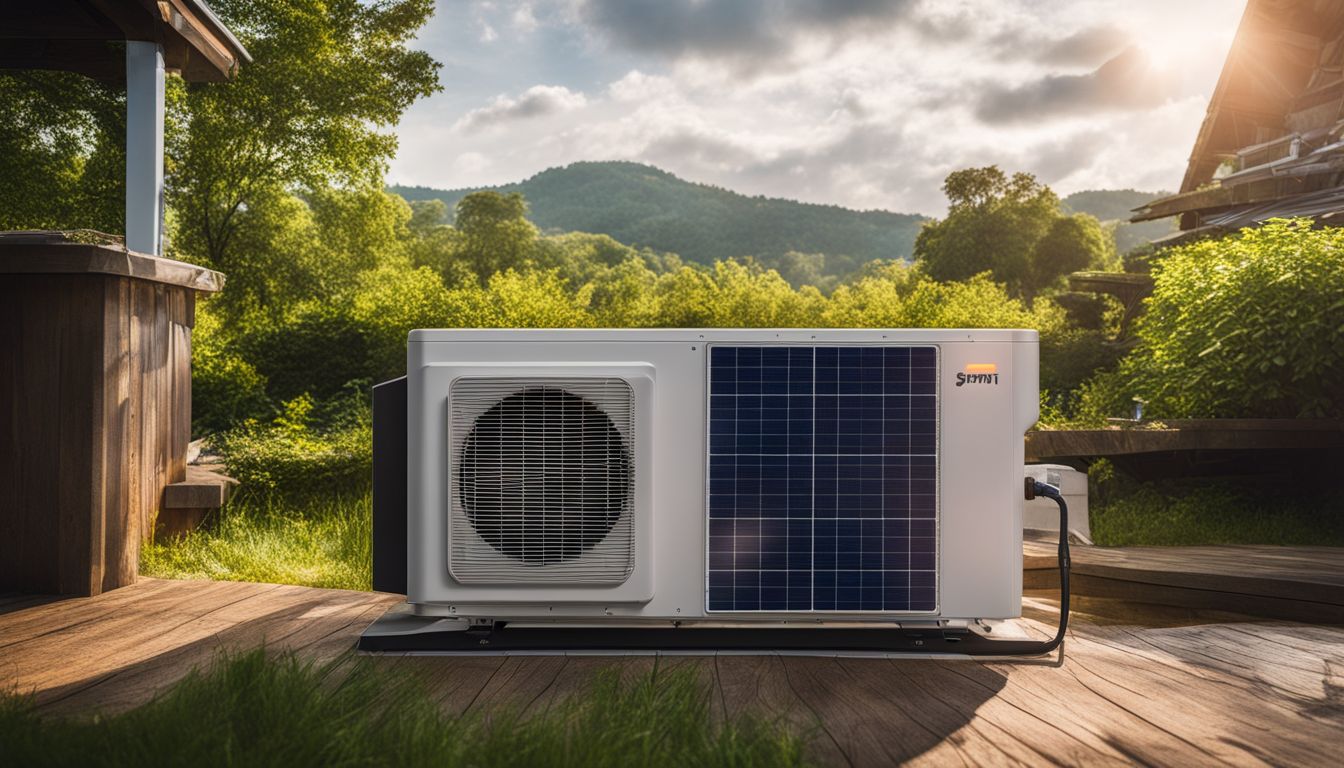
By harnessing renewable energy sources like solar panels, these intelligent systems offer sustainable cooling options that reduce reliance on non-renewable power. Opting for devices with an Energy Star rating maximises savings and underscores commitment to conserving resources for future generations.
Tracking Your AC Usage
Smart AC systems offer the function of tracking your air conditioning usage with detailed energy charting. This feature gives you a clear view of when and how much your AC is running, letting you pinpoint when you might be unnecessarily cooling your home.
By identifying these patterns, you can adjust settings for optimal efficiency, curtailing excessive use and slashing energy costs.
With usage insights at your fingertips, smart thermostats like the Nest Learning Thermostat enable better maintenance schedules. They predict when clean-ups are required, which helps prevent potential issues before they arise.
Consistent monitoring ensures that each part of your HVAC system operates smoothly and prevents future breakdowns or costly repairs.
Exploring Air Filtration in Modern Aircon Systems
Modern aircon systems have taken a giant leap forward with advanced air filtration technology. These systems are now critical in maintaining clean indoor environments, thanks to high-efficiency particulate absorbing (HEPA) filters and activated carbon integrations.
They capture airborne particles, including pollen, dust mites, and smoke, ensuring that the air circulating within homes is purified to a high standard.
Air purification features in today’s AC units also tackle microscopic contaminants like bacteria and viruses. With people spending more time indoors post-COVID, these innovations provide peace of mind by reducing health risks associated with poor air quality.
Innovations like UV lamps enhance these capabilities by neutralising airborne pathogens before they circulate through living spaces. As heating, ventilation, and air conditioning systems evolve into more sophisticated versions of their former selves, engaging smart home integration tools ensures control over comfort and cleanliness is never more than a voice command away.
Exploring Home Automation Interfaces for Air Conditioners
Dive into the seamless connectivity as we examine home automation interfaces tailored for air conditioners, transforming them into intelligent components of a smart ecosystem. Uncover how advancements like KNX and Intesis AC gateways revolutionise control, offering unparalleled integration that elevates functionality and user experience.
Universal IR Air Conditioner to Home Automation Interface
Transforming your air conditioner into a smart appliance is straightforward with the Universal IR Air Conditioner to Home Automation Interface. This innovative device connects any AC with an infrared receiver to sophisticated IP-based home automation systems, allowing you effortless control over your living environment.
It communicates key functions via infrared commands and has its own IR receiver for increased functionality.
Once integrated, this system puts full air conditioning management at your fingertips through a central interface. You can smoothly monitor all aspects of the AC unit’s performance, ensuring that comfort and energy efficiency are perfectly balanced within your automated home setup.
Whether adjusting temperatures or tracking usage, every change is simple and intuitive, enhancing both convenience and control in maintaining an ideal indoor climate.
Specific Brand Solutions
Many smart home systems shine when paired with specific brand solutions. Daikin AC systems have developed integration tools for a more tailored approach that allows air conditioners to work smoothly with advanced home automation platforms.
These tools include custom interfaces designed to take full advantage of the features and efficiency of Daikin units. Homeowners benefit from this compatibility as it streamlines installation and ensures they can manage every aspect of their cooling needs through a single gateway.
Brand-specific gateways for air conditioners are becoming increasingly popular due to their ability to preserve all functionality directly between the unit and the automation system.
This makes it easy for users to implement smart integration, even in complex setups involving variable refrigerant flow (VRF) technology or geothermal heat pumps. With these specialised solutions, property owners can enjoy enhanced control over their HVACs, leading to reduced energy consumption and an increase in overall property value.
Conclusion
In our fast-paced world, the melding of air conditioning and automated living stands as a testament to human ingenuity. Homeowners can now revel in unparalleled comfort, thanks to smart tech that tailors indoor climates precisely.
The future bodes well for those who embrace these innovations, as they promise more sustainable, effortless control over our environments. With each advancement, our homes become sanctuaries of ease, responding intelligently to our needs and whims.
Embrace this new era where convenience meets conservation; it’s reshaping our daily living spaces into high efficiency and relaxation hubs.
FAQs
1. What is the integration of aircon with automated living?
Integrating air conditioning with automated living means using smart technology to control your heating, ventilation and air conditioning systems for a comfortable and energy-efficient home.
2. Can I use voice commands to operate my portable air conditioner?
You can control many modern portable air conditioners through voice command systems like Siri by connecting them to smart home networks that use IoT devices.
3. How does building automation help with electric heating management?
Building automation systems allow for precise control over electric heating, ensuring rooms are heated efficiently according to occupancy and insulation levels, saving energy and cost.
4. Are Internet of things (IoT) devices important in HVACs’ future-proofing?
Indeed, integrating HVACs with IoT devices is crucial for future-proofing as they provide advanced functionality such as remote monitoring and automatic adjustments based on real-time data.
5. Does ASCII protocol relate to automated climate control in buildings?
Yes, ASCII protocol is often used in building automation for communication between different systems, including those controlling the environment inside buildings like Heating, Ventilation and Air Conditioning (HVAC) units.