Struggling with sky-high energy bills from your air conditioning? Regular maintenance is key to keeping your cooling costs down. Our blog post offers simple tips to enhance the efficiency and effectiveness of your air conditioner, ensuring comfortable temperatures without breaking the bank.
Dive in for cool savings!
Effective Tips for Using Air Conditioning
Maximise your air conditioner’s performance and efficiency with these practical strategies. Learn to navigate the nuances of optimal AC use, ensuring comfort while keeping energy consumption in check.
Regular Change of Air Filter
Changing your air conditioning system’s filter regularly is a simple yet effective step towards maintaining its efficiency. A fresh air filter can significantly reduce energy consumption – by as much as 5 to 15 per cent, according to studies.
This not only means less energy wastage but also translates into cost savings on your utility bills.
Make it a habit to check and replace the air filters in room conditioners or central air units frequently, especially during high-use seasons. Clogged and dirty filters obstruct normal airflow, forcing the HVAC system to work harder than necessary.
This extra strain can lead to more wear and tear on your equipment over time. By ensuring clean filters are always in place, you uphold optimal airflow and keep energy efficiency at its peak all year round.
Utilisation of Smart Thermostat or AC Controllers
Smart thermostats are transforming how we cool our homes. They connect to the internet, allowing you to control your air conditioning from anywhere using a smartphone or voice commands.
Imagine adjusting your home’s temperature while at work or on holiday, ensuring it’s just right when you walk through the door. These devices learn your schedule and preferences, making automatic adjustments that keep comfort high and energy bills low.
Installing a programmable thermostat could be one of the best decisions for both your wallet and comfort. Set it to lower the AC’s output when nobody is home and ramp it up just before arrival for optimal energy use.
You can also create custom schedules for different days of the week; no more fretting about forgetting to turn off the AC on cooler days or during unoccupied times! Smart thermostats offer a seamless way to manage climate control in your house, keeping it perfectly chilled without wasteful cooling.
Correct Temperature Setting
Setting your air conditioner to the right temperature can make a big difference in both comfort and energy savings. Aim for a cosy 22-24°C during hot summer days, as this range effectively balances the need to cool and dehumidify your home with sensible energy use.
For winter, adjust the setting slightly higher to between 23-25°C for optimal warmth without overworking your system.
Ensure that your thermostat isn’t set more than 8 degrees below the outdoor temperature if you want to keep costs down and efficiency up. Following guidelines from experts like those at the Department for Energy, who recommend a comfortable 26°C when you’re home, can lead to significant energy savings while maintaining a pleasant indoor climate with your HVAC systems.
Always choose settings that sustain comfort yet consider climate change impacts by reducing excessive cooling loads on central air conditioners and other ACs within household management practices.
Appropriate AC Size for Room
Choosing an air conditioner with the correct cooling capacity is essential for your room. If it’s too small, it won’t cool effectively; if it’s too large, it will waste energy and can create uncomfortable temperature fluctuations.
To find the ideal size, measure your room carefully. A quick way to get a precise BTU (British Thermal Unit) rating fitting for your space is by using a BTU Calculator online.
Consider various factors that affect cooling needs, such as ceiling height and window size. Rooms with higher ceilings require AC units with more power due to the larger volume of air inside.
Similarly, areas that receive lots of sunlight or regularly house multiple people might also need stronger air conditioning systems to maintain comfortable temperatures. Always opt for an AC unit whose capacity aligns with both the dimensions and unique characteristics of your space to ensure efficient operation and optimal comfort levels.
Use of Sleep Mode at Night

Switch on sleep mode in your air conditioner before you tuck in for the night. This smart feature adjusts the air temperature slowly as you doze off, making sure you stay comfortable and don’t wake up chilly.
Expect a gradual increase of 0.5 to 1 degree, which is just enough to maintain comfort without overheating.
Embrace this energy-saving setting to cut down on electricity usage during those long hours of rest. Thanks to this function, both your wallet and the planet will thank you for using less power while ensuring peaceful sleep at an ideal room temperature.
As it quietly operates, sleep mode keeps bedroom conditions optimal and prevents any sudden noise or temperature changes from disturbing your slumber.
Energy-Efficient Aircon Use and Tips
Maximise your aircon’s efficiency by setting it to a warmer temperature when you’re away from home or during cooler hours. This simple adjustment can lead to substantial savings on your energy bill, as every degree counts.
Install weatherstripping around windows and doors to prevent cool air from escaping, ensuring your unit doesn’t work harder than it needs to.
Clean air filters regularly and check that vents are not obstructed, allowing for optimal airflow and better performance of the unit. Consider investing in high SEER-rated room air conditioners; they use less energy for the same cooling effect.
Equip windows with tinted film or awnings to block out excess heat, effectively reducing the need for constant air conditioning while still keeping your space comfortable.
The Importance of Turning off the AC When Not in Use
Turning off your air conditioner when you leave the room can make a big difference in energy savings. Air conditioning units consume significant amounts of electricity, and unnecessary operation leads to higher utility bills.
Making a habit of switching off the AC helps reduce these costs and also extends the lifespan of your unit by preventing overuse.
Many modern air conditioners come with automatic settings that shut down or adjust the temperature when no one is present. Utilise these features to ensure your system isn’t working overtime for a space.
Keeping the AC turned off during times it’s not required contributes to lower energy usage overall, which is beneficial for both your wallet and the environment. Remembering this simple step makes for a more economically minded use of household appliances, aligning with savvy management of energy sources at home.
The Benefits of Keeping Doors and Windows Partially Open
Creating a steady airflow through your home is one of the key advantages of keeping doors and windows partially open. This practice helps replace stuffy, warm air with fresh, cool breezes, enhancing the overall efficiency of your air-conditioning system.
It also plays a significant role in moderating indoor temperatures without overworking the AC unit.
Maintaining slightly ajar doors and windows can lead to better air quality inside your rooms. It encourages the movement of air which can carry away potential pollutants or any lingering smell that could otherwise cause discomfort.
Additionally, it assists in balancing humidity levels by allowing excess moisture to escape – this can be especially beneficial if you don’t have a dehumidifier integrated into your HVAC system.
This method synergises well with evaporative cooling technologies and can save on energy costs by reducing reliance on mechanical cooling during milder weather conditions.
Diagnosing and Replacing Your AC Capacitor
If your air-conditioner starts showing signs of a failing capacitor, such as not blowing air or making unusual noises, it’s time to check under the hood. First off, ensure safety by carefully discharging the capacitor to avoid electrical shocks.
Then look for visible damage often caused by debris impacts or extreme weather conditions which can lead to AC malfunction.
Should you spot humming and buzzing noises or notice your energy bills climbing, these might be telltale symptoms that your AC unit’s capacitor requires attention. Utilise DIY guides available for HVAC maintenance to diagnose issues accurately.
They will walk you through each step if you’re considering a replacement. However, remember that while tricks like using a stick might temporarily confirm the problem with certain types of units, they won’t fix an underlying bad capacitor issue – replacement is usually the necessary course of action.
Watch out for diminished performance and if the AC fan still runs without cooling; this typically flags up a dud capacitor requiring prompt action.
How to Prevent Your AC from Freezing Up in Winter
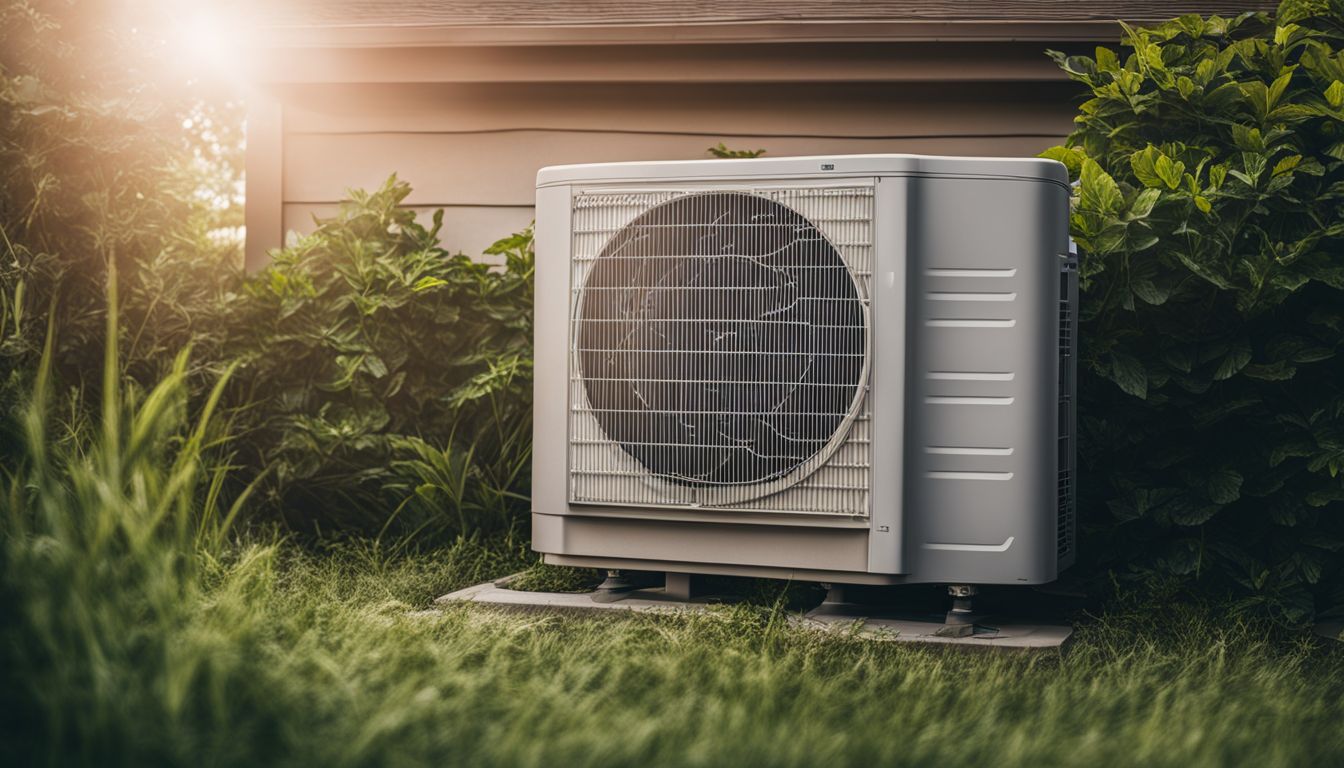
To protect your air conditioning system from the winter chill and prevent it from freezing, proper maintenance is key. Ensure regular checks on the TCL GentleCool Series which is ideally designed to withstand colder weather conditions.
Keeping your supply vents open can make a significant difference; resist the urge to close more than two as closed vents can restrict airflow and contribute to freezing up.
A clear area around your AC unit aids in avoiding ice buildup that could lead to freeze-ups. Remove any snow or debris promptly, maintaining a buffer zone for optimal operation. Make sure water doesn’t stand near your heat pump or air vents as this could turn into ice.
A little attentiveness goes a long way—inspect furniture placement for anything that might block warm air from reaching pipes and meters.
Regularly inspecting your vents also ensures they’re free of obstructions, fostering healthy airflow throughout the system. Blocked vents not only lead to inefficiency but also increase the risk of freeze-ups during cold spells.
By keeping an eye on these simple yet effective measures, you can enjoy a seamless performance from your air conditioning even when temperatures plummet outside.
Understanding the Concept of a Convertible Air Conditioner
A convertible air conditioner stands apart from traditional units by offering adaptable cooling capabilities. Unlike fixed-frequency counterparts, these innovative devices let users adjust the tonnage as per their cooling requirements, ensuring optimal energy consumption.
They respond to temperature changes and user inputs smartly, adapting their performance dynamically which can result in significant savings on electricity bills.
These ACs employ advanced control schemes that redefine home comfort with a focus on efficiency which is reflected in their seasonal energy efficiency ratio (SEER). With such technology at hand, you get the convenience of fine-tuning your environment while consuming less power than what’s typically expected from conventional air conditioners.
This not only makes for a more comfortable living space but also supports a greener lifestyle through reduced energy waste.
How to Check Your Air Conditioner’s Refrigerant Level
Turning off the air conditioner and locating the service valves is paramount before you commence checking refrigerant levels. Ensure that power to the unit is completely shut off for safety.
Once you’ve found the valves, attach pressure gauges to both suction and discharge lines. These gauges will help measure how much refrigerant your system contains by showing pressures which correspond with evaporation and condensation temperatures.
Look out for ice formation on refrigerant lines; this often implies there’s not enough refrigerant in the system. Knowing what type of refrigerant your air conditioner uses—such as R-22 or R-410A—is crucial since they require different maintenance approaches.
Another step involves measuring temperature differences across your heat exchanger using suction and discharge gauges, providing an insight into whether your system operates efficiently or if it might be time for a top-up.
Regularly inspecting the exterior component prevents potential environmental damage arising from outdated or harmful refrigerants leaking into our atmosphere. Hence, always make sure that any refill follows current regulations and uses substances safe for both your air-conditioned space and our planet.
Conclusion
Embrace the wisdom from these air conditioning insights for a cooler, more energy-efficient home. Keeping your AC running smoothly is simple with regular filter changes and smart thermostat use.
Properly size your unit and tweak settings to slash bills while boosting comfort. Open doors and windows slightly to balance indoor airflow when needed. Regular system checks prevent common issues like freezing or capacitor faults.
Make these easy practices part of your routine for a fresher, cost-effective living space every day.
For more detailed insights on maximising your air conditioning system’s efficiency, delve into our comprehensive guide on energy-efficient aircon use.
FAQs
1. How can a ceiling fan help improve air conditioning efficiency?
A ceiling fan helps circulate cool air more efficiently throughout your room, allowing you to slightly raise the thermostat setting and reduce energy consumption.
2. Can window film affect my home’s cooling needs?
Yes, applying tinted glass window film can block unwanted heat from the sun, keeping your rooms cooler without overworking the air conditioner.
3. Are mini-split air conditioners cost-effective compared to traditional AC units?
Mini-split air conditioners are often more economical as they allow for targeted cooling in specific areas and minimise energy waste, leading to lower electricity bills.
4. Is there a benefit of having both an air conditioner and a gas furnace in my home?
Having both systems ensures you have efficient heating with the gas furnace and effective cooling with the air conditioner for year-round comfort.