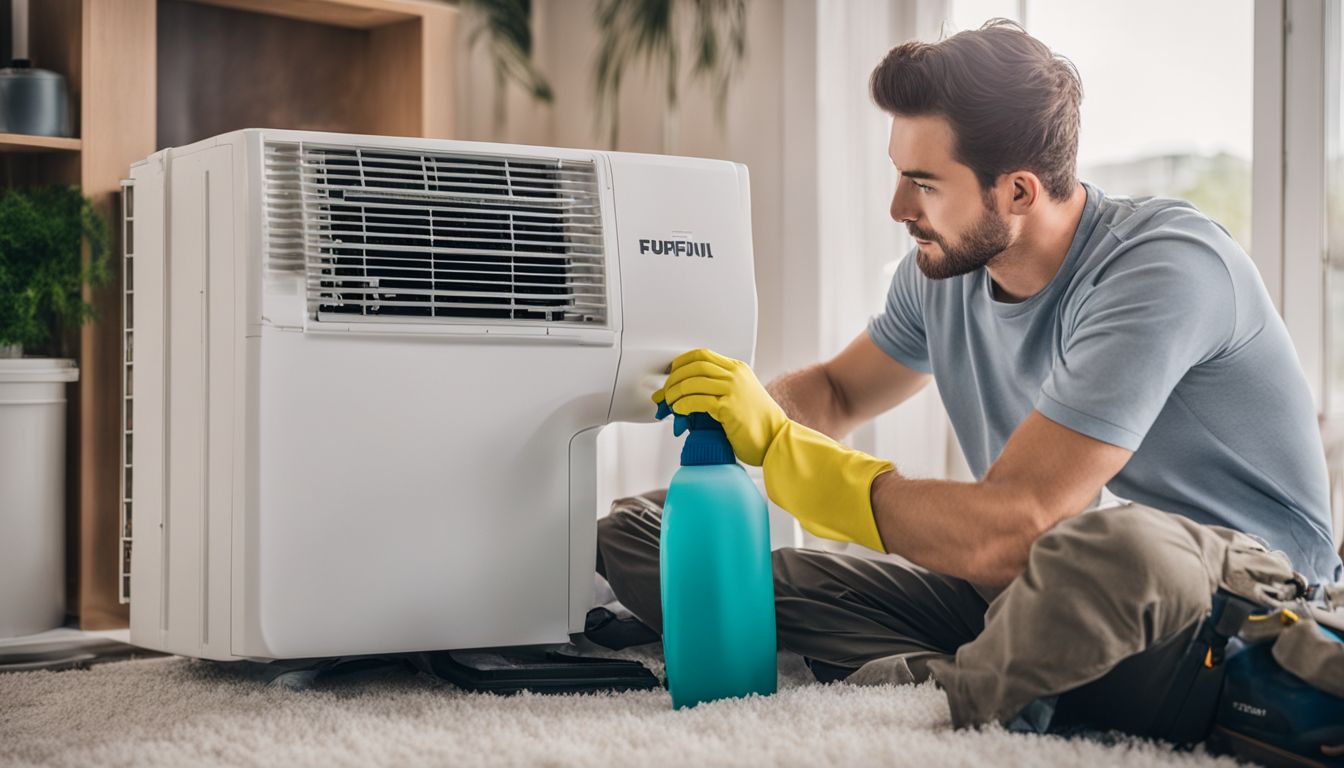
Are you sneezing more often at home or finding dust settling on your surfaces too quickly? An effective aircon filter is vital for cleaner indoor air and a healthy living space. This article will guide you through choosing the best aircon filter to suit your needs and ensure maximum comfort and clean air in your home.
Keep reading to breathe easier!
Understanding Different Types of Aircon Filters
Delve into the world of aircon filters, where each type plays a pivotal role in safeguarding your indoor air quality. From the compact filters of portable units to the expansive systems in ducted AC, learn how they function across various HVAC setups.
Split AC Systems
This separation helps manage interior temperatures without adding to indoor noise levels. Opting for these systems often means experiencing efficient heating and cooling as they can cover larger areas than window or portable units.
In choosing air filters for split AC systems, you’re looking at an array that provides cleaner air by trapping airborne particles before they circulate through your rooms. These filters nestle snugly within the indoor unit, effectively capturing dust, pollen, and other allergens when regularly maintained or replaced.
Various filter types fit into these HVAC systems – from HEPA filters that nab smaller particles to electrostatic ones that use static electricity to cling to pollutants passing through them.
It’s essential to match the right MERV rating with your needs for optimal air purification without hampering airflow in your space.
Window AC Units
Window AC units are compact air conditioning systems that fit snugly into windows, keeping rooms cool and comfortable. They need proper filters to function at their best, preventing dust, pollen, and other pollutants from entering your space.
Choosing the correct aircon filter for your window unit can enhance energy efficiency while ensuring clean indoor air.
Replacing the filter in these units is straightforward; you slide out the old one and insert a new one to keep up with regular maintenance. Selecting a size that matches your unit to maintain effective airflow is essential.
Pleated filters are often recommended for window AC units as they offer better filtration by trapping finer particles without obstructing airflow, helping you breathe easier, especially if allergies are a concern.
Portable ACs
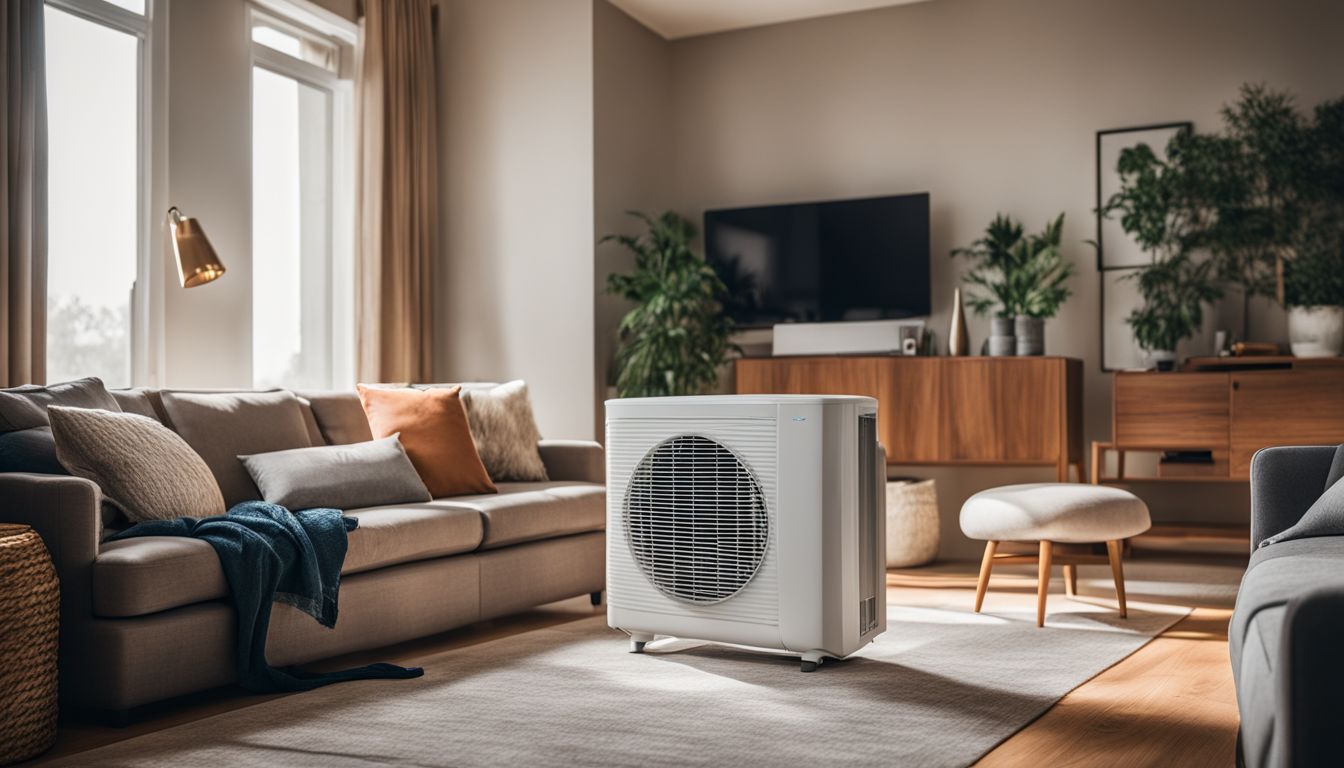
Portable air conditioners offer a flexible solution for cooling rooms without needing permanent installation. They often include standard filters to trap dust and pollen, ensuring clean circulating air.
Many models also feature extra filtering layers like activated carbon filters designed to reduce odours and absorb volatile organic compounds (VOCs). This makes them particularly useful in areas where air quality is a concern.
Selecting the right filter for your portable AC can drastically improve your indoor environment. It’s crucial to check compatibility with your specific model before purchasing new filters.
Look for MERV ratings to determine how effectively a filter can remove airborne particles from your living space. Higher energy efficiency means better filtration, but remember that this might require more frequent replacements or cleaning, depending on whether you choose disposable or washable options.
Regularly maintaining these filters ensures your portable air conditioner operates at peak performance, providing cool and cleaner indoor air.
Ducted AC Systems
Ducted AC systems offer a seamless cooling solution, hiding operational parts outdoors or in ceiling spaces. This setup delivers a quiet and consistent temperature throughout the building using concealed ductwork.
Homeowners enjoy an uncluttered look, as only the discreet air vents are visible. The core components work efficiently to circulate air, making them ideal for larger homes or offices where aesthetic and acoustic comfort are valued.
Choosing the right filter for these systems is crucial for maintaining air quality and ensuring efficient operation. Filters vary in efficiency; selecting one that can capture more impurities will greatly enhance indoor air purity.
With options ranging from basic fibreglass filters to advanced high-efficiency particulate air (HEPA) models, users can tailor their choice based on specific needs such as allergy concerns or energy savings goals.
Regular filter maintenance promotes effective heating, cooling, and ventilation performance while helping to prevent issues like mildew growth within the ducts due to trapped moisture.
Factors to Consider When Selecting an Aircon Filter
When exploring the vast selection of aircon filters, considering the specific demands of your home and air quality goals is crucial; dive deeper to identify which filter will boost your indoor climate.
MERV Ratings
MERV Ratings play a crucial role in determining the effectiveness of your aircon filter. These ratings measure how well filters can remove particles from your home air.
Think of MERV as a scale ranging from 1 to 16; the higher the number, the better it is at trapping various airborne pollutants like dust mites, pollen, and mould spores.
Choosing a filter with the appropriate MERV rating can make a significant difference to your indoor air quality. Higher-rated filters capture finer particles, which benefits those with allergies or respiratory issues.
However, they also restrict airflow more than lower-rated filters and could make your heating and cooling systems work harder – this might increase energy consumption. Typically, residential settings will find MERV ratings between 6-13 effective without excessively straining their HVAC equipment.
Filters within this range strike a balance by filtering out many common irritants while maintaining efficient airflow through your system.
Filter Size
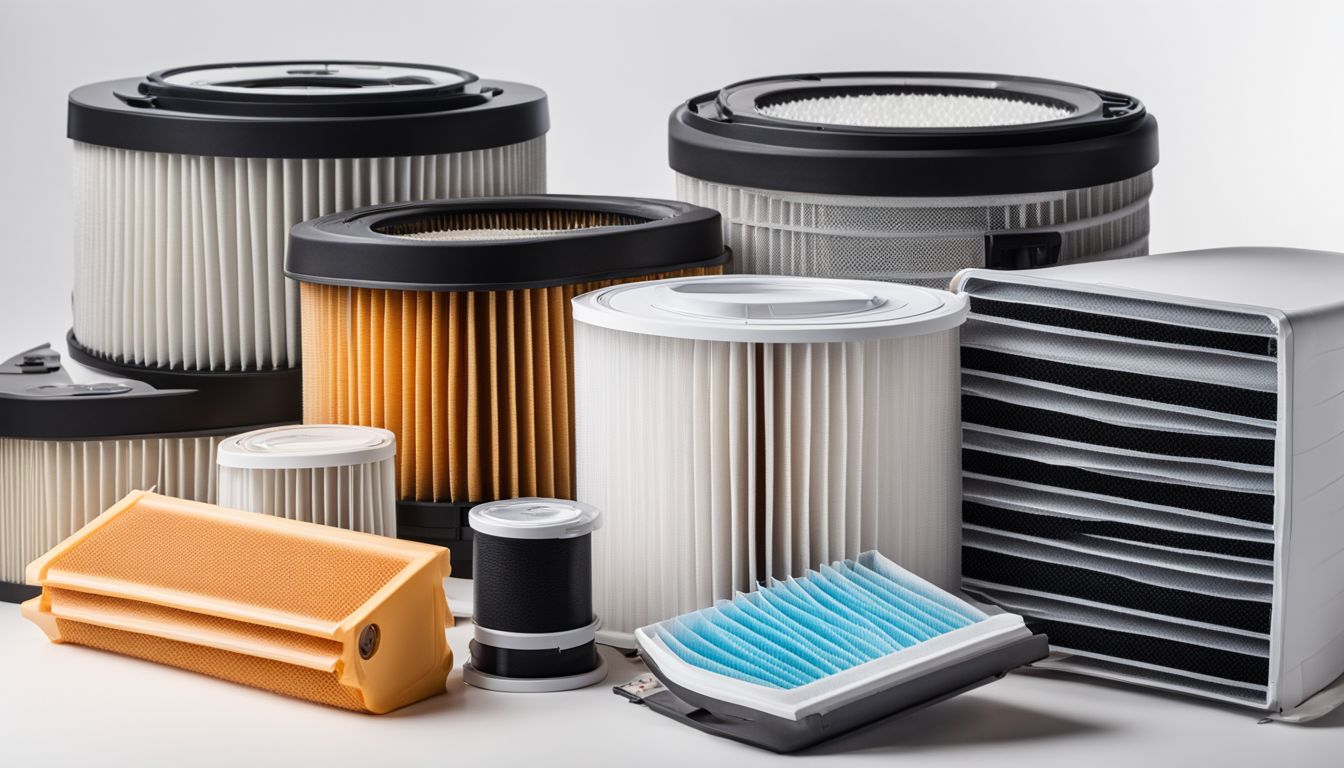
Getting the right filter size is critical for your air conditioner’s performance. An ill-fitting filter can allow dust and other particles to slip through, reducing air quality and potentially harming your system.
To avoid this, measure your current filter’s length, width, and depth or check the owner’s manual for specifications. These dimensions are typically in inches and must match those available on new filters.
Ensure you replace an old AC filter using the exact same dimensions to maintain effective air filtration. This keeps your living space free from unwanted airborne particulate matter while also helping your AC run more efficiently.
Checking the printed dimensions on your old filter simplifies this process, guiding you towards purchasing a perfect match without any guesswork involved.
Disposable vs. Washable Filters
Choosing between disposable and washable filters hinges on multiple factors, including cost, maintenance, and performance. Disposable filters are wallet-friendly, with a price tag of around $15 each; they’re simple to replace and eliminate the chore of cleaning.
They come in various minimum efficiency reporting values (MERV), some reaching as high as 12, meaning they can trap smaller particles effectively compared to their washable counterparts.
Washable filters offer an environmentally friendly alternative by reducing waste since you can clean and reuse them repeatedly. However, their MERV rating peaks at 4. While they capture dust and lint well enough for many homes, they fall short on finer particulates like pollen or mould spores.
Generally speaking, if maximum air purification isn’t crucial but sustainability is your priority, washable filters could be the better choice.
Signs of a Dirty Aircon Filter and How to Spot Them
A dirty aircon filter can cause several issues in your home. Spotting the signs early helps maintain a healthy and energy-efficient system.
- Reduced airflow in the room signals a clog in your filter, restricting the cold air circulation necessary for comfort.
- Strange smells from the air vents might indicate accumulated pollutants like dust or mould that thrive on a dirty filter.
- Unexplained spikes in your energy bills suggest that your aircon is working harder than usual due to obstructed filters reducing efficiency.
- Dust around the vents shows particles are escaping through because a filter is no longer performing its job correctly.
- An overall decline in indoor air quality could be a sign; if allergies or respiratory issues worsen, check if your aircon filter needs cleaning or replacement.
- The AC system starting and stopping more than normal is often caused by an overworked motor trying to push air through a blocked filter.
- When inspected, visible grey or black filters can highlight a build-up of dirt and require immediate attention for replacement or cleaning.
Maintenance and Replacement of Aircon Filters
Looking after your aircon filters is key for a healthy home environment. Proper maintenance improves performance and prolongs the life of your air conditioning unit.
- Check the filter every two weeks, especially during high usage periods. Dust and debris can quickly clog up filters, reducing airflow and efficiency.
- Clean or replace filters regularly to prevent unwanted allergens from circulating in your home. For most homes, a monthly check is sufficient; however, it might be more frequent if you have pets or live in a dusty area.
- Use the correct size filter to avoid gaps that let unfiltered air pass through. Measure the existing filter or consult your AC manual to find the dimensions needed.
- Consider MERV ratings when selecting a new filter. Filters with higher MERV ratings trap smaller particles, which can significantly improve indoor air quality.
- Washable filters offer a reusable option and can be cleaned with water. Ensure they are completely dry before reinstalling them to prevent mould growth.
- Media filters capture more dirt due to their larger surface area but need replacing less often – usually every 6 to 8 months.
- Keep track of when you perform maintenance and set reminders for future checks. This helps maintain consistent air quality and efficiency.
- Dispose of used disposable filters responsibly by checking local recycling options where available. Some materials within the filters may be recyclable, helping reduce waste.
- Install electrostatic filters if you’re looking for an option that attracts and holds onto particles through static electricity. These need careful handling during cleaning to avoid damaging their charge-retaining fibres.
- For those with forced – air systems, inspect ducts periodically for any signs of blockage that could affect filter performance. A blocked duct can cause strain on your system and decrease its efficiency.
Conclusion
Choosing the perfect aircon filter ensures your living space remains fresh and your system runs smoothly. Always match the filter to your unit’s requirements for optimal performance.
Remember that good maintenance will extend the life of both the filter and aircon unit. Stay informed. Make smart choices for a healthier, more efficient home environment.
For more detailed guidance on identifying a clogged aircon filter, please read our article on the signs of a dirty aircon filter and how to spot them.
FAQs
1. Why is choosing the right aircon filter important?
Selecting the correct aircon filter ensures the air purified by your ventilation systems or air purifiers remains clean, protecting you from pollution and harmful emissions.
2. What types of filters work best for those with allergies?
Filters labelled “High-Efficiency Particulate Air” (HEPA) are highly effective for allergy sufferers, trapping particles like pollen that vacuum cleaners might miss.
3. Can I reuse my aircon filters instead of replacing them?
Some filters are reusable and can be cleaned rather than disposed of; checking if yours is washable helps reduce waste and might save on costs in the long run.
4. How does a heat pump affect my choice of aircon filters?
When using a heat pump, picking an appropriate filter that supports efficient heat exchange while maintaining clean airflow through your heat pump system is vital.
5. Should I consider nonwoven material filters when I have pets at home?
Absolutely! Nonwoven material filters are excellent at capturing pet hair and dander, which may otherwise clog up your humidifier or other parts of your heating and cooling systems.