Struggling with high energy bills from your air conditioner? You’re not alone. Many households seek ways to boost their AC’s efficiency and cut costs. This article unveils practical strategies that can transform how you cool your home, slashing those hefty bills along the way.
Keep reading – a cooler, more cost-effective summer awaits!
Essential Strategies for an Efficient Air Conditioner
Implementing key strategies can significantly enhance the efficiency of your air conditioning unit, leading to reduced energy consumption and lower bills. These tactics range from simple adjustments to smart technology integrations that optimise heating and cooling performance while maintaining comfort levels in your space.
Regularly Change the Air Filter
Keeping your air conditioner’s filter fresh and clean is a simple yet effective way to boost performance. A clogged or dirty filter forces the system to work much harder, which can lead to increased energy consumption and higher utility bills.
By routinely replacing the old filter with a new one, you not only enhance airflow but also improve indoor air quality.
Ensure that checking and changing the air filter becomes part of your regular home maintenance routine. This practice will reduce energy use by 5% to 15%, according to studies. It’s an easy step towards more efficient heating and cooling, translating into savings on energy costs while prolonging the life of your air conditioning unit.
Utilise Smart Thermostat or AC Controllers
Upgrade your air conditioning system with a smart thermostat or AC controller to take command of your climate control and enhance energy efficiency. These innovative devices connect to WiFi, enabling you to adjust the temperature from virtually anywhere.
Whether you’re on the couch or halfway around the world, cooling your home is at your fingertips. They also adapt intelligently to your routine by learning preferences and crafting schedules that suit your lifestyle while conserving energy.
Equip your HVAC unit with these savvy solutions for a seamless way to reduce power consumption without sacrificing comfort. With features like occupancy sensing and adaptive learning, these thermostats can detect empty rooms, dial back on usage, or anticipate when to cool living spaces based on past behaviour.
Investing in this technology means benefitting from tailored comfort, and lower bills due to efficient energy use over time – providing immediate satisfaction and long-term savings.
Maintain Appropriate Air Circulation
Keeping your air conditioning unit free from obstructions is vital for maintaining optimum performance. Furniture, curtains, and plants can block vents and registers, forcing the system to work overtime.
Ensure these are well positioned to allow a clear path for cool air to circulate throughout the room.
Use ceiling fans in conjunction with your air conditioner to spread the cooled air more evenly. This simple step helps to distribute air conditioning more efficiently, making it feel cooler at higher thermostat settings.
Consequently, this can lead to significant energy savings without sacrificing comfort. Regular checks of your home’s ventilation pathways should be carried out too; this includes inspecting attic vents and exhaust systems to confirm they’re functioning properly and contributing effectively toward a balanced airflow within your living space.
Set the Correct Temperature
Adjusting your air conditioner to the ideal temperature is key for comfort and energy savings. Experts agree that setting your thermostat to 78 degrees Fahrenheit (about 25 degrees Celsius) strikes a balance between keeping cool and reducing energy usage.
This setting works well when you’re home and active. However, if you plan on being away for more than a few hours, consider raising the temperature by a few degrees to save even more on your energy bills.
Handling humidity is crucial in achieving optimal comfort from your air conditioning unit. Cooler temperatures might feel necessary in high humidity, but utilising dehumidifying functions can allow for higher settings while still maintaining comfort.
During the night, opt for warmer temperatures to enhance sleep quality without compromising on efficiency; this aligns with recommendations of slight increases for nighttime use. Program smart thermostats or AC controllers accordingly – these devices can remember preferences and adjust as needed to maintain efficiency round-the-clock without manual input every time.
Ensure Right-Sized AC for Room
 Getting the right-sized air conditioning unit for your room cannot be overstressed. It’s a crucial step towards energy efficiency and maintaining comfortable temperatures. Measure your space carefully because an AC that’s too small won’t cool effectively, and one that’s too large will cycle on and off more frequently, wasting energy and increasing wear on the system.
Choosing the perfect cooling capacity means looking at the square footage of your area first. The idea is to match this with an air conditioner’s power, measured in BTUs (British Thermal Units).
This ensures every corner of the room stays cool without racking up high electricity bills or overworking your unit. Properly sized AC units run longer but use less energy overall, making them kinder to your wallet and the environment.
Turn Off the AC When Not in Use
Turning off your air conditioner when you’re not at home helps slash energy consumption and can lead to considerable savings on your electricity bill. It’s a simple yet effective step in managing household energy use.
If you worry about coming back to a warm house, remember that it is more efficient to leave the AC on at a slightly higher temperature rather than turning it off entirely. This strategy avoids the extra energy required to cool down a completely warm house.
Make sure to switch off your air conditioning unit whenever you leave for extended periods. Doing so prevents unnecessary strain on the system and contributes towards prolonging its lifespan.
Also, consider using natural ventilation during cooler parts of the day or season; open windows can offer refreshing breezes that help maintain comfort without relying solely on artificial cooling methods.
These practices not only promote energy efficiency but also encourage responsible stewardship of resources, aligning with sustainable living principles.
Utilise Sleep Mode at Night
Make the most of your air conditioner’s sleep mode feature to enhance nighttime comfort and efficiency. This setting adjusts the temperature gradually as you sleep, reflecting your body’s natural tendency to cool down during the night.
It helps maintain a comfortable sleeping environment while preventing unnecessary cooling, which in turn can lead to significant energy savings.
Activate the sleep mode on your AC unit before bedtime to safeguard against overnight temperature drops that could disrupt your rest. By doing so, you not only ensure a steady and pleasant room climate but also contribute to reducing the risk of heat-related health issues such as dehydration or heatstroke.
Plus, making use of this intelligent function means your air conditioning system operates more effectively, cutting down on both energy consumption and utility bills without compromising on comfort.
Calibrating Your Thermostat for Optimal Results
Ensuring your thermostat is accurately calibrated plays a crucial role in maintaining comfort and managing energy costs. It reads the actual room temperature and adjusts the air conditioning accordingly, which means you can trust that your home will stay at the temperature you’ve set.
A wrongly calibrated thermostat could lead to excessive cooling or insufficient temperatures, causing discomfort and inflated energy bills.
Hiring a professional for calibration is often worthwhile as they come equipped with precise tools and expertise. They’ll fine-tune your thermostat sensors for peak performance, ensuring that every degree on the display matches real-world conditions.
This precision allows your HVAC system to respond more efficiently, triggering it only when necessary which conserves energy while extending the life of your air conditioning unit.
Remember that an accurately adjusted thermostat sustains optimal climate control without squandering electricity or overworking your system.
The Role of Regular Maintenance in AC Efficiency
Keeping a regular maintenance schedule is crucial to your air conditioner’s performance; it’s the backbone of ensuring your unit runs efficiently and effectively. Proactive upkeep not only prevents unexpected breakdowns but also prolongs the lifespan of your system, guaranteeing that cool comfort remains an unobtrusive facet of daily life.
Importance of Regular Servicing
Regular servicing plays a critical role in your air conditioner’s health and efficiency, much like regular check-ups support our well-being. Specialists inspect, clean, and replace components as needed during maintenance visits.
This careful attention ensures smooth operation and prevents minor issues from escalating into major malfunctions that could interrupt your cosy home climate.
Scheduling annual maintenance for your AC can save you money by staving off expensive repairs and reducing energy bills through heightened operational efficiency. Technicians tackle potential mould growth, improving indoor air quality significantly.
Their work extends the lifespan of your unit, affirming that HVAC maintenance is an investment towards durability, reliability, and consistent comfort in your living spaces.
Checking Your AC’s Refrigerant Level
Ensure your air conditioner’s refrigerant level is properly maintained for peak performance. An AC unit without enough refrigerant can’t cool your home effectively, causing it to work harder and increasing energy bills.
Schedule a service with a qualified HVAC technician who can check the levels and replenish them if necessary.
Handling refrigerant requires expertise as incorrect levels can damage your system or be environmentally harmful. Always trust professionals to manage this task. They’ll have the tools to accurately measure refrigerant levels and adjust according to manufacturer specifications, keeping your air conditioning system running smoothly and efficiently.
How to Diagnose and Replace Your AC Capacitor
Diagnosing a faulty AC capacitor starts with observing your air conditioning system for signs of trouble, such as the unit not turning on, or if it hums without the fan spinning. To safely check the capacitor, you must turn off the power supply to avoid any electrical accidents.
Locate the air conditioner’s service panel and find the capacitor; often it’s shaped like a tin can and sits next to the motor.
Replacing an aged or malfunctioning AC capacitor can breathe new life into your air conditioning unit but it is best left to skilled HVAC technicians due to potential safety hazards and the complexity of installation.
Regular maintenance checks, which include testing capacitors every two years, will catch early signs of wear before they cause more significant issues in your system. If you suspect a problem and don’t have experience handling electrical components, contact a professional who can ensure proper diagnosis and replacement for optimal efficiency of your central air conditioner.
Understanding High-Efficiency AC Models
Delve into the world of high-efficiency AC models to discover how innovative technologies and design improvements can significantly reduce your carbon footprint while enhancing indoor comfort.
Grasping these advanced systems is key to making informed decisions that align with eco-friendly practices and modern living standards.
What is a Convertible Air Conditioner?
A convertible air conditioner is a versatile cooling solution that adapts to your needs, offering both energy efficiency and flexibility in installation. Unlike traditional window units, these innovative air conditioners can switch between different capacities depending on the room size and cooling requirements, saving approximately 10 per cent more energy.
Their design emphasises energy conservation while delivering peak performance and comfort. Convertible models often feature sleek styles that blend seamlessly with modern interiors.
With their built-in adaptability, convertible air conditioners meet various space demands without compromising efficiency. They represent a smart choice for those seeking an economical way to stay cool during hot weather while managing their energy consumption effectively.
These units are particularly useful when room layouts or usage patterns frequently change, proving that staying comfortable doesn’t mean using more resources than necessary.
The Advantages of Using PCB in AC
PCBs revolutionise how air conditioning units operate by introducing unmatched control and efficiency. Imagine an AC system that intuitively adjusts settings, responds to environmental changes, and conserves energy without human intervention – PCBs make this possible.
They are smart ‘command centres’ that execute your desired temperature setting with precision.
Air conditioners rely on PCBs to change alternating current (AC) from electrical outlets into direct current (DC), powering essential components seamlessly. This not only ensures the aircon runs smoothly but also extends its lifespan by preventing damage caused by power fluctuations.
Moreover, if a fault arises or updates are needed, PCBs can be quickly modified, saving time and resources in maintaining your air-conditioning unit’s peak performance.
The Impact of Efficient AC Use on Energy Bills
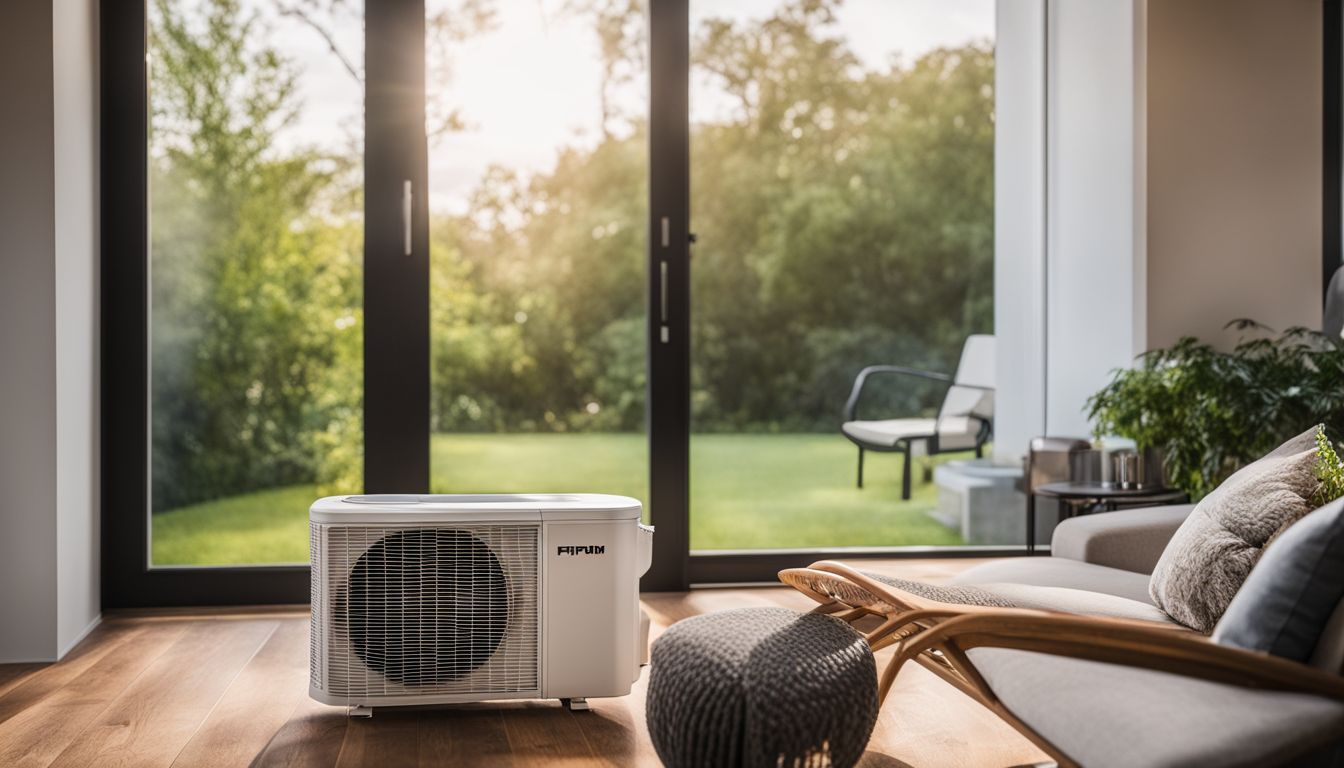
Embracing efficiency in your air conditioning habits can lead to a significant reduction in energy expenditure, offering not only cost savings but also an environmentally friendly approach to cooling your home.
Let’s explore how smart AC use transforms into tangible financial benefits without compromising comfort.
How Using AC Efficiently Lowers Energy Costs
Efficient air conditioning use can slash energy bills significantly. By adjusting the thermostat to a comfortable but slightly higher temperature, you reduce the workload on your AC unit.
Air conditioners running at full blast consume more electricity; therefore, setting it right will maintain comfort without overworking the system. Smart thermostats take this further by automatically adjusting temperatures based on your schedule, ensuring you’re only cooling your home when needed.
Proper maintenance also plays a crucial role in keeping costs down. A well-serviced air conditioner operates more efficiently than one that’s neglected, leading to lower energy consumption.
Cleaning or replacing air filters regularly prevents blockages that force the system to work harder – and use more power. When an AC runs smoothly with optimal airflow and refrigerant levels checked, it cools your space quickly without unnecessary energy spent, thus saving money on utility expenses over time.
Best AC Temperature for Comfort and Cost Saving
Setting your air conditioning unit to the right temperature makes a huge difference in comfort and electricity bills. Experts from the National Environment Agency point to 25°C as an optimal balance between keeping cool and conserving energy.
This setting allows for a comfortable environment while avoiding excessive energy use which can inflate bills. During hot weather, every degree below this can add substantially to your power consumption.
A programmable thermostat can be a game-changer in managing this balance effectively. It lets you set higher temperatures when you’re out of the house, and cooler settings for times when you need it most—like during sweltering afternoons or when winding down at home after work.
The Department of Energy backs this up by recommending 78°F (around 26°C) during these times for additional savings without sacrificing personal comfort. Adapting these simple adjustments ensures that your air conditioning system isn’t working overtime, leading to reduced wear and tear on the unit itself, further extending its lifespan and efficiency.
Conclusion
In wrapping up, adopting these energy-saving strategies can significantly boost your air conditioner’s efficiency. Keep your AC in top shape and experience comfort without excessive bills.
Embrace smart technology and regular upkeep to make a positive impact on both your wallet and the environment. Remember, every small action counts towards a cooler, more sustainable future.
This summer, take control of your cooling needs with the savvy use of efficient appliances.
FAQs
1. How can I make my air conditioning system more efficient?
You can boost your air-con efficiency by conducting preventative maintenance, using energy-efficient appliances, and installing programmable thermostats to control the temperature.
2. What are some energy-saving tips for air conditioners?
Some top energy-saving tips include cleaning the drain line regularly, installing weatherisation features like window films, and ensuring your unit has a high Seasonal Energy Efficiency Ratio (SEER).
3. Can humidity control improve my air conditioner’s performance?
Absolutely! By managing humidity levels with your air conditioning system, you’ll help maintain comfortable temperatures and reduce strain on the unit.
4. Why is it important to clean air ducts in my home?
Keeping air ducts clean helps maintain steady airflow through your space which means your furnace or room air conditioners don’t have to work extra hard.
5. Do natural refrigerants impact A/C efficiency?
Yes indeed! Air-conditioning units using natural refrigerants tend not only to be kinder to the environment but also contribute to new energy standards for enhanced efficiency.
6. Can updating my windows increase my A/C’s effectiveness?
Certainly; replacing old windows with ENERGYSTAR-rated energy-efficient windows or adding window film can significantly prevent heat gain and ease demand on your cooling systems.