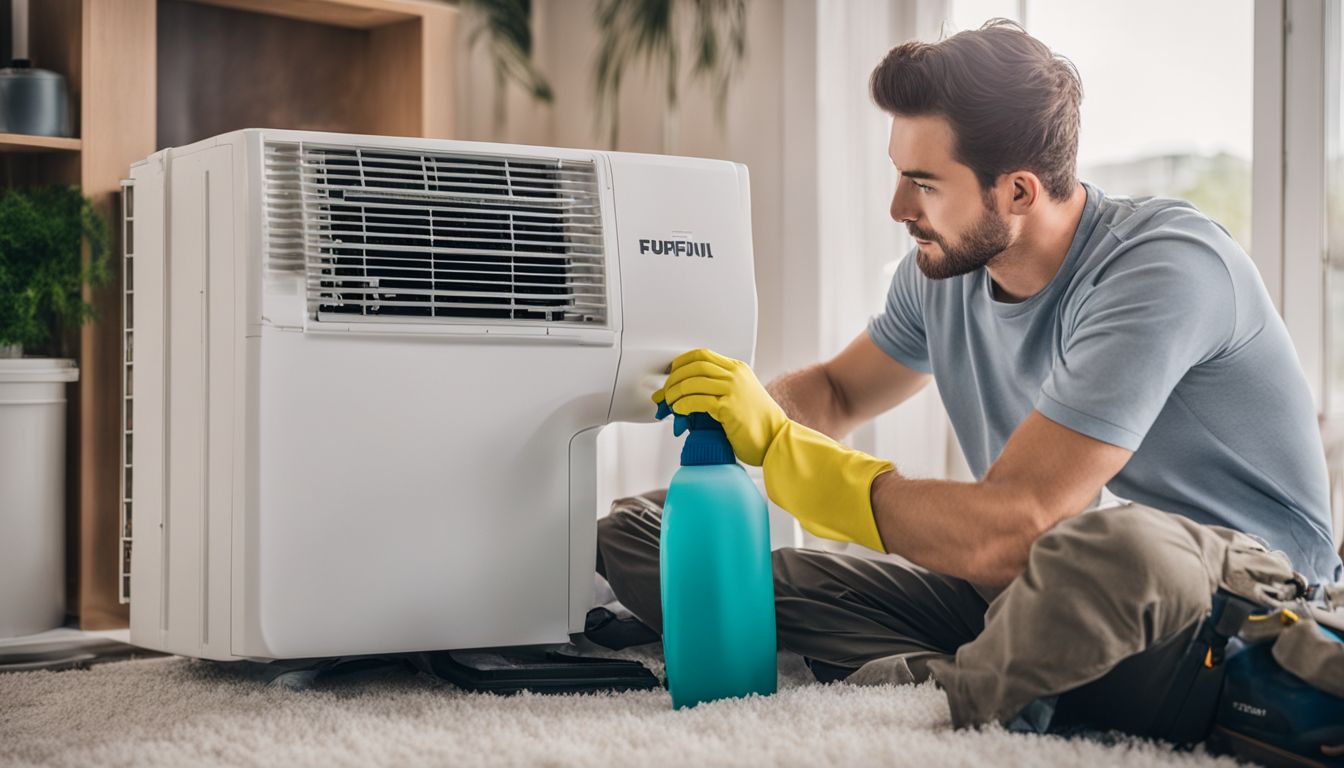
As summer heat intensifies, so does the pressure on our air conditioners and energy bills. One vital fact to note is that using a ceiling fan alongside your AC can lead to substantial savings.
This article offers practical tips to strike a balance between staying cool and keeping energy costs low. Keep reading for cooler days without financial dismay!
Importance of Energy Efficiency in Air Conditioning Use
Energy efficiency in air conditioning isn’t just about reducing energy bills, although that’s a significant benefit. It also plays a critical role in conserving energy resources and addressing climate change by lowering greenhouse gas emissions from power plants.
Efficient air conditioners require less electricity for operation, easing the strain on the electrical grid, especially during peak summer months.
Every kilowatt saved by an energy-efficient air conditioning unit translates to fewer fossil fuels burned at power stations, which means fewer carbon emissions choking up our atmosphere.
Smart choices in home appliances ensure we contribute to sustainability while enjoying comfortable indoor environments. Investing in efficient AC systems with features like sleep mode and programmable thermostat settings leads to long-term savings and a healthier planet.
Tips for Efficient Air Conditioning Use
Maximising the performance of your air conditioning system hinges on adopting energy-efficient practices that not only reduce power consumption but also extend the unit’s lifespan.
Embrace these strategies to keep cool while curbing energy costs and contributing to a more sustainable environment.
Correct Installation of AC Unit
To ensure your air conditioning system runs at peak efficiency, it’s critical to have the unit installed correctly. This means engaging a professional who can determine the optimum location for both indoor and outdoor components, guaranteeing that there are no obstructions to airflow and the system is levelled.
Professionals also make sure that ductwork is properly sealed and insulated, preventing energy losses which can occur due to leaks or poor insulation.
Selecting an air conditioner of the right size is crucial before installation begins; this avoids undue strain on the unit and excessive energy consumption. An oversized AC will cycle on and off too frequently, whereas one that’s too small won’t sufficiently cool your space.
A skilled technician will assess your area’s cooling requirements considering room size, window dimensions, and exposure to sunlight so you get a tailored solution that provides comfort without wasting energy.
Limiting Direct Exposure to Sunlight
Place your air conditioner in a spot where it’s shielded from the midday sun. A shaded AC unit doesn’t have to work as hard, which can lead to better performance and reduced energy bills.
Think about installing awnings or planting trees that provide natural shade, ensuring they don’t block the airflow around the unit.
Keep curtains or blinds closed during peak sunlight hours to prevent your home from heating up. This simple step maintains cooler indoor temperatures and allows your air conditioning system to operate more efficiently without extra strain from the blazing sun’s heat.
By doing this regularly, you ensure your living space stays comfortable while keeping energy usage in check.
Shading Your Outdoor AC Unit
Creating a shade for your outdoor air conditioning unit might seem like an effective way to boost its efficiency, but evidence suggests this isn’t the case. Despite a common belief that it reduces temperatures and cuts energy costs, experts have found no significant benefits.
The AC’s performance remains largely unaffected by structures that block direct sunlight.
Alternatively, focusing on ensuring ample airflow around the condenser is more beneficial than shading. Keep plants and debris clear from the unit so it can function without any obstructions.
This approach helps maintain your air conditioner’s effectiveness and reliability rather than relying on shade which has negligible effects on its operation or your electricity bill.
Rearranging Furniture for Optimal Air Flow
Clearing the path for your aircon’s airflow can make a significant difference in how well it cools your home. Check that sofas, chairs, and bookshelves aren’t blocking any vents or air passages.
Furniture that obstructs vents forces an air conditioning unit to work harder, which could lead to increased energy bills and a strain on the system. A simple adjustment of room layout ensures that cool air circulates freely, maintaining consistent temperatures throughout.
Position your furniture strategically so each room stays comfortable without putting an extra load on the AC. Ensure beds and desks are set away from direct line with air vents – this allows for even distribution of chilled air.
By considering where you place larger items like wardrobes or cabinets, you help maintain the efficient operation of your cooling system while keeping energy savings in check.
Avoiding Placement of AC Near Other Appliances
Keep your air conditioner away from appliances like televisions and lamps. These gadgets give off heat, causing the AC to work harder than necessary. Not only does this reduce the unit’s efficiency, but it can also lead to higher electricity bills.
Make sure there is enough space between your cooling system and other home electronics to prevent unnecessary energy wastage.
Carefully choose where to install your air conditioning unit. Avoid areas near kitchen appliances such as stoves or microwaves that emit heat during operation. By keeping a distance between heating sources and your AC, you help maintain optimal performance of the air conditioning unit, ensuring a cooler home without extra strain on the system or unwelcome spikes in your energy costs.
Using Ceiling Fans to Aid Cooling
Harness the power of ceiling fans to enhance your air conditioning system’s efficiency. These trusty household fixtures work wonders by swiftly circulating cool air throughout the room, ensuring that coldness reaches every corner.
Their swift blades create a breeze that touches your skin and amplifies the refreshing effect of the AC without significantly increasing energy consumption. It’s an easy way to feel cooler quickly and can make a noticeable difference in how comfortable you are in your home.
Turn on those fans while your air conditioner is running, and you may find yourself reaching for the thermostat less often. By fostering a partnership between your ceiling fan and air conditioning unit, you’re setting yourself up for reduced monthly bills—effortlessly saving cash while keeping temperatures down.
Not only does this dual approach combat sweltering heat effectively but also tackles humidity levels – making it ideal not just during summer but year-round as well. This strategy doesn’t just benefit personal comfort; it aids in cutting down greenhouse gas emissions tied to excessive AC use, offering a win-win situation for both homeowners and our planet’s climate.
Gradual Adjustment of Temperature
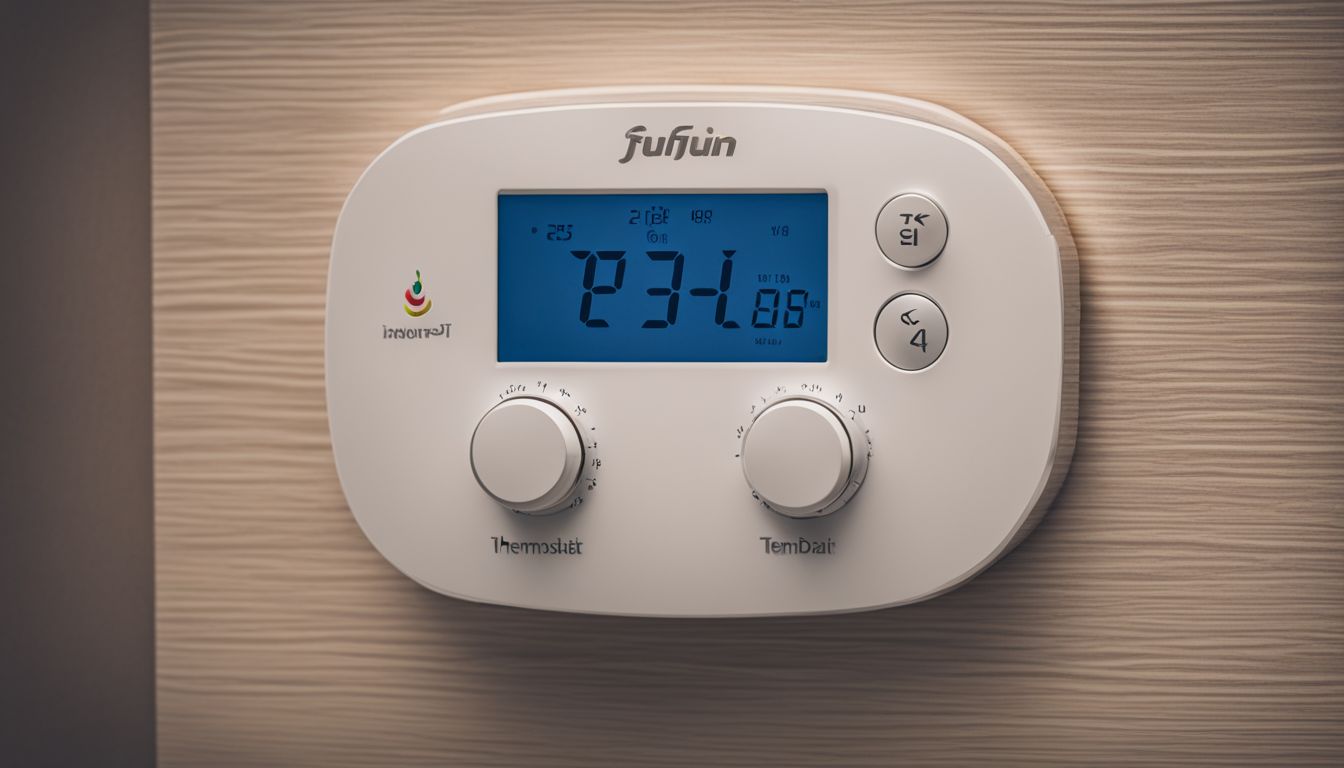
Gradually adjusting your air conditioner’s temperature can lead to significant energy savings. For every degree you raise the thermostat during hot weather, you reduce the unit’s energy consumption.
Start by setting it at a comfortable level and then increase it incrementally over time. This method helps maintain a steady indoor climate without overworking the system, leading to lower electricity bills.
Many people make the mistake of dramatically lowering their AC’s temperature hoping for a quick cool-down. However, this practice forces the air conditioning unit to work harder and use more power.
Instead, try raising your indoor temperature just enough so that it remains pleasant while still conserving energy. Keeping the setting within 8 degrees of the outdoor temperature is advisable for optimal efficiency and cost-effectiveness.
Turning Off the AC When Not in Use
Turning off the AC when you’re not around can lead to substantial energy savings. It’s an easy step that helps both your wallet and the environment without compromising indoor air quality or comfort.
Consider this simple habit as part of your daily routine, just like switching off lights in empty rooms. Doing so stops unnecessary energy use and reduces wear on your air conditioning unit, potentially extending its lifespan.
Make it a point to switch off the AC before leaving for work or going to bed at night if cooler weather permits. Utilise sleep mode settings when available during nighttime hours for additional efficiency gains.
This action alone cuts down on excessive cooling costs and contributes significantly towards achieving a more energy-efficient home. Be mindful of this practice; it ensures that your appliance doesn’t work harder than needed while also conserving energy for times when you truly need it.
Regular Cleaning of AC Filter
Keeping your AC filter clean is a straightforward but crucial task for ensuring your air conditioner runs efficiently. Clogged filters are not just a hindrance to airflow; they also force the system to work harder, which in turn uses more electricity and drives up your energy bill.
To prevent this, inspect your air filters regularly and give them a thorough cleaning or replace them as needed, typically every 30 to 60 days according to most manufacturers’ recommendations.
Consistent maintenance of the air filter enhances indoor air quality (IAQ) while keeping energy consumption low. Use high-quality filters and make sure they’re free from debris to optimise the performance of your cooling system.
This simple act helps maximise efficiency, contributing to environmental conservation by reducing greenhouse gas emissions from excess energy use.
Regular Servicing of Air Conditioner
Servicing your air conditioner on a regular schedule keeps it running smoothly and efficiently. Professionals who service AC units focus on crucial areas like the outdoor coils, which require cleaning to maintain optimal performance.
Dirt and debris can hinder an air conditioner’s ability to cool your home, leading to increased energy use and higher bills. A well-maintained unit not only performs better but also improves indoor air quality by preventing the circulation of contaminants.
Make sure you engage qualified technicians for your AC servicing needs at least once a year. This ensures that any potential issues are caught early, potentially saving you from costly repairs down the line.
Regular maintenance extends the lifespan of your air conditioning system, so it continues to provide comfort while keeping energy consumption in check. Remember, investing in professional servicing is an investment in efficient functionality and long-term savings on your energy bills.
Purchasing the Correct Size of Air Conditioner
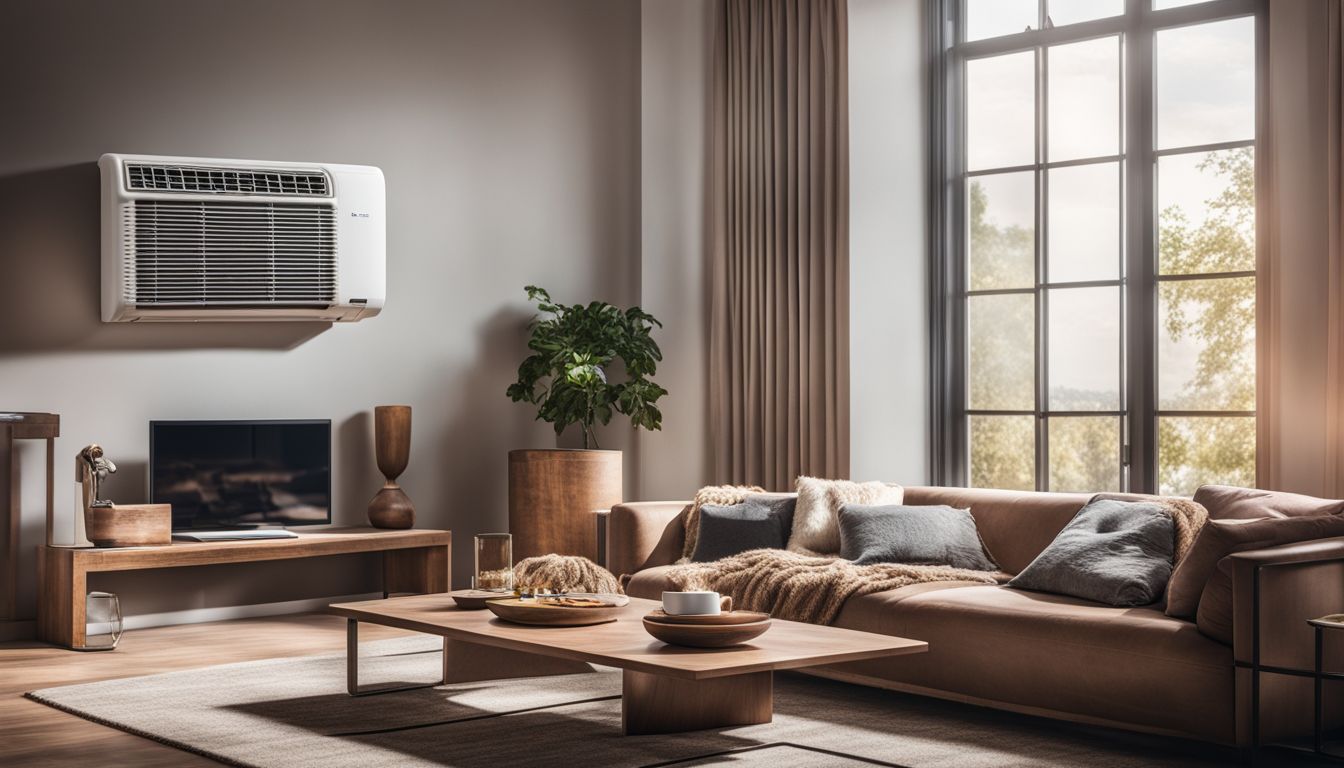
Choosing an air conditioner that’s too small will struggle to cool your space, leading to wasted energy and a less comfortable environment. On the other hand, selecting one that’s too large can cause it to frequently turn on and off, which isn’t efficient either.
Make sure you calculate the floor area of your room before heading out to buy an AC unit. This will give you a rough estimate of the required cooling capacity in British Thermal Units (BTUs) for optimal performance.
Understanding this balance is key; proper sizing ensures effective temperature control without excessive power consumption. Measure your rooms accurately and consult with professionals if needed – they can provide valuable guidance on the perfect-sized air conditioning system for your particular needs.
Remember, investing time in finding the right size pays off through reduced energy bills and improved overall comfort in your home or office.
Upgrading to an Inverter Air Conditioner
Switching to an inverter air conditioner could lead to significant energy savings at home. These modern units work smarter by adjusting power use based on the current temperature, which means they consume less energy than traditional models.
This smart technology ensures that you’re only using the amount of energy you need, cutting down your air conditioning bill.
Investing in an inverter air conditioner may have a higher initial cost, but it pays off with reduced electricity consumption and long-term savings. Such a unit not only saves money but also operates more quietly and maintains a consistent room temperature for enhanced comfort.
Energy-efficient appliances like these are essential for those looking to conserve energy and reduce their environmental footprint while enjoying effective cooling solutions at home.
Understanding the Art and Science of Humidity Control in Aircon Use
Controlling humidity is just as important as managing temperature to ensure your aircon operates at peak efficiency. High levels of humidity can make the air in your home feel warmer, causing you to lower the AC’s temperature and use more energy.
To prevent this, equip yourself with knowledge about the role of relative humidity (RH) and how it affects comfort and cooling costs.
Air conditioners not only cool but also remove moisture from the air, which helps control humidity levels. Make sure you regularly clean or replace your evaporator coils—this allows your unit to dehumidify effectively.
For optimal performance, consider using a smart thermostat that can adjust both temperature settings and manage indoor RH based on external conditions. This intelligent approach maximises comfort while minimising energy consumption.
Using Advanced Tech for Energy Efficiency
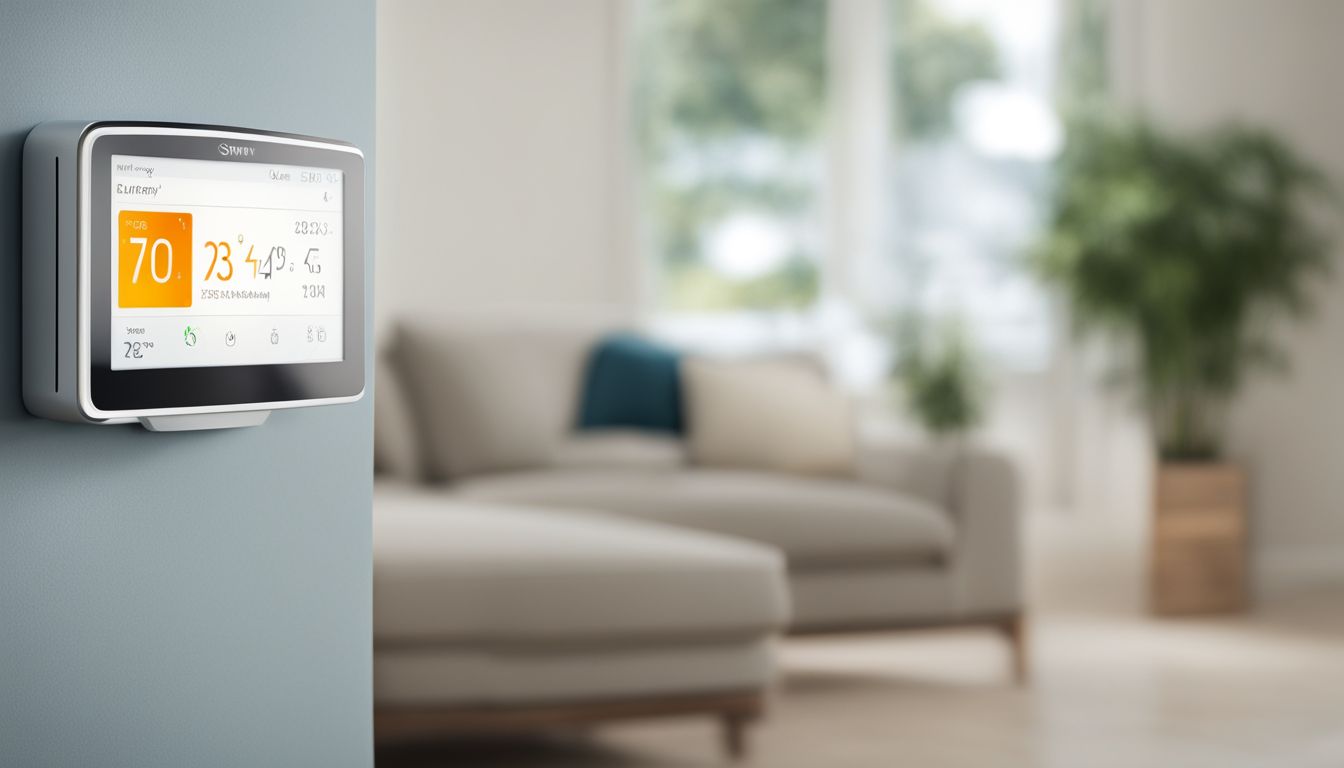
5. Using Advanced Tech for Energy Efficiency: Embrace the latest advancements in technology to significantly enhance the energy efficiency of your air conditioning system. Smart solutions such as programmable thermostats and AC controllers streamline cooling, reduce energy consumption, and offer unparalleled control over your indoor environment.
Changing the Air Filter Every 6 Months
Maintaining your air conditioner’s performance hinges on routine attention, particularly replacing the air filter every six months. This simple yet critical step ensures that dust and allergens are efficiently captured, safeguarding both your health and the system’s functionality.
Over time, a clogged filter strains the AC unit, leading to higher energy consumption as it works harder to circulate air.
Ensure you’re using the correct type of filter for your specific model and take note of how frequently it runs or if you have pets; these factors might necessitate more frequent changes.
Regular replacement not only keeps energy bills in check but also prolongs the lifespan of your cooling equipment by preventing overheating and unnecessary wear on its components.
Using Smart Thermostats or AC Controllers
Embrace smart thermostats and AC controllers to transform your home into a hub of energy efficiency. These high-tech devices learn your schedule and adjust the heating and cooling without you lifting a finger.
Imagine leaving for work, and they dial down the comfort settings to save energy, then prep your living space to the perfect temperature just before you return. You’ll also enjoy monitoring your usage through intuitive apps on smartphones, allowing for precise control over household temperatures from anywhere.
Smart technology in air conditioning doesn’t just stop at convenience; it’s about cost savings too. With this intelligent setup, you can cut down on unnecessary heating or cooling when no one’s home.
The ability to programme personalised schedules means slashing those bills has never been easier or more automated. Plus, getting alerts directly to your phone helps maintain the optimum performance of your HVAC system – turning energy efficiency into everyday simplicity.
Conclusion
Ensuring your air conditioner runs effectively starts with simple actions like correct installation and regular filter cleaning. These small steps lead to more efficient performance and can significantly lower your energy bills.
Don’t forget, integrating smart technology such as thermostats adds convenience while conserving energy. Every degree you save on cooling counts toward a lighter environmental footprint and cost savings.
Take control of your comfort at home by adopting these energy-efficient habits today.
To delve deeper into ensuring your air conditioning is optimally managing the moisture in the air, read our detailed guide on the art and science of humidity control in aircon use.
FAQs
1. How can I make my air-conditioning unit more energy-efficient?
To improve the energy efficiency of your air-conditioning units, regularly clean filters, use natural ventilation when possible, and set it at a moderate temperature to reduce power consumption.
2. What are some tips for using household appliances in an energy-saving way?
You can save energy with household appliances by opting for those with energy-saving features such as LED lights or triple-glazed windows and turning off sockets when not in use to minimise standby power usage.
3. Can smart technology help me save on my aircon costs?
Absolutely — IoT devices like smart thermostats can learn your schedule and adjust the cooling automatically while providing remote control for your ACs, leading to efficient use and cost savings.
4. Why should I avoid using my air conditioner all day?
Using an electric fan instead of constantly running your air conditioner helps promote better airflow without excessive energy use; moreover, leveraging cross-flow from open windows may eliminate stuffy air naturally.
5. Is there a benefit to adjusting my thermostat at different times of the day?
Certainly! Adjusting your thermostat higher when you’re away or asleep allows you to enjoy comfort whilst saving on bills since you’re consuming lower power during those times.
6. Are there any simple adjustments I can make that don’t involve buying new appliances?
Yes! Implement practices such as closing blinds during hot days to block heat transfer, hanging clothes on a clothesline instead of using a dryer, and boiling only the water you need rather than filling up kettles or pots completely.