As the summer heat spikes, so does our reliance on air conditioners to keep cool. Amidst the global push for sustainability, the AC industry is buzzing with innovative solutions to reduce energy consumption.
This article will explore cutting-edge trends revolutionising air conditioning technology, promising comfort, eco-friendliness, and cost savings. Dive in to discover how staying chilled can go hand-in-hand with saving the planet!
Top Trends in AC Technology for 2024
As we approach 2024, the air conditioning landscape evolves rapidly with innovations tailored to enhance efficiency and connectivity. From intelligent systems that predict maintenance needs to the seamless integration of renewable energy sources, these cutting-edge trends are poised to redefine comfort and sustainability in heating, ventilation, and air conditioning (HVAC) technology.
Connected HVAC
Connected HVAC systems are revolutionising the way we manage our indoor environments. They use IoT devices to give users total control over their heating and cooling from anywhere at any time.
These smart-systems can learn your habits, adjust temperature settings for optimal comfort, and even alert you to potential issues before they become big problems.
Companies integrating these technologies respond to a clear consumer call for greener, more energy-efficient solutions. With real-time data analytics, connected HVAC units reduce energy consumption and significantly lower buildings’ environmental impact.
Expect air conditioning units in 2024 to be smarter with seamless integration that simplifies user interaction while enhancing system performance and sustainability.
Predictive Maintenance
Predictive maintenance is transforming the way HVAC systems are cared for, navigating a shift towards a more reliable and efficiency-oriented approach. By harnessing data analysis, machine learning algorithms, and artificial intelligence, this proactive strategy anticipates repair needs before they become urgent.
It significantly reduces downtime and ensures air-conditioning systems operate at their best.
With digital tools and remote monitoring technology advancing rapidly, HVAC equipment can report its condition in real-time. This innovation helps businesses save on energy costs by maintaining optimal performance regularly.
The growth of the predictive maintenance market reflects its effectiveness; as reported in 2022, it reached $5.5 billion with expectations to expand even further at an annual rate of 17% until 2028.
These advancements enhance customer service and sustain the environment by promoting green energy practices within the industry.
Precision Indoor Climate Control
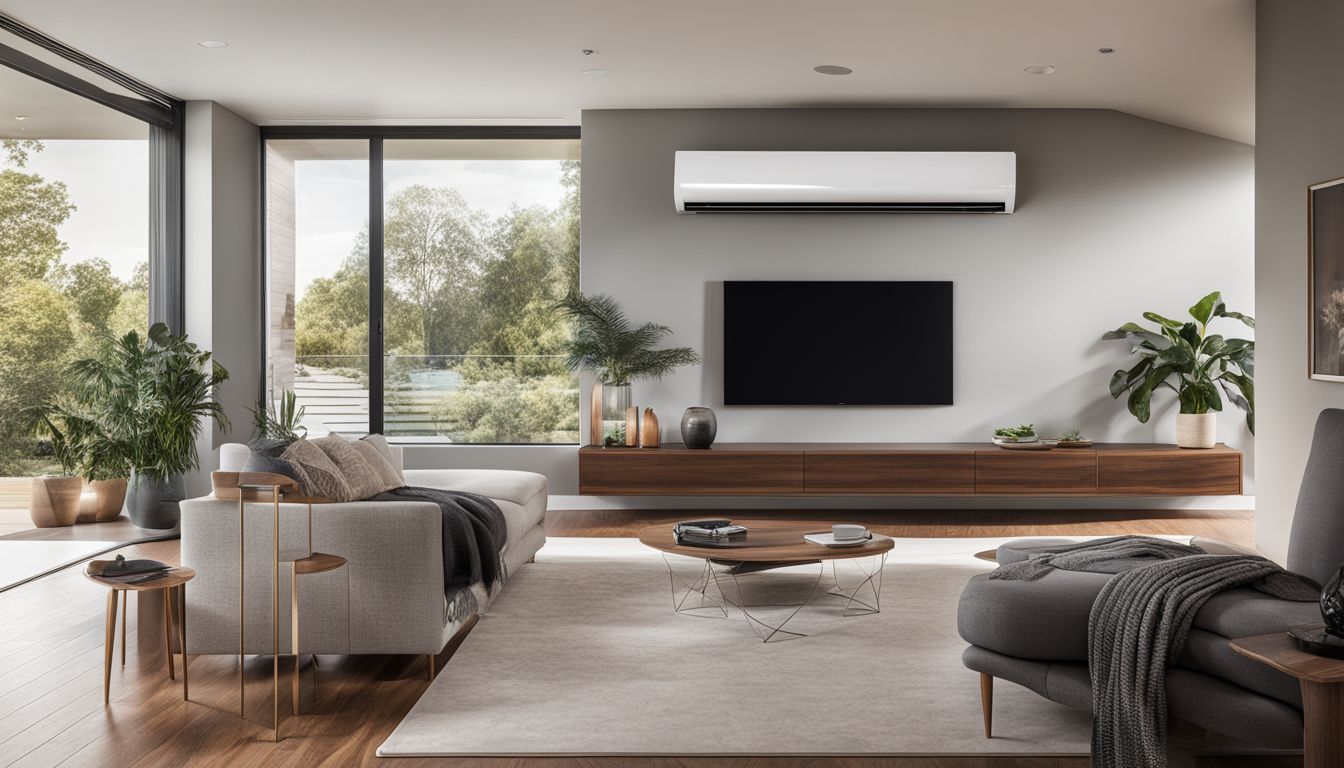
Precision Indoor Climate Control (PICC) is hitting the mark for consumers and businesses seeking ultimate comfort and energy efficiency. Precision Indoor Climate Control systems allow every room to maintain an ideal temperature and humidity level.
These high-tech setups pair with smart thermostats, allowing users to fine-tune their environment to personal preferences.
Market growth in areas like data centres spotlights the critical need for consistent and accurate climate management. Ducted Type Air Conditioning units are pivotal here, offering precise control and marked improvements in energy usage.
Homeowners and facility managers benefit from these advancements, enjoying enhanced indoor air quality without sacrificing sustainability or cost-effectiveness.
Renewable Integration
Renewable integration in AC technology transforms how we cool and dehumidify our living spaces. HVAC systems increasingly harness power from solar panels, geothermal heat pumps, and other renewable sources.
This shift towards using clean energy cuts down on emissions and drives energy savings for homeowners and businesses alike.
Geothermal heating and cooling tap into the earth’s stable temperature to regulate indoor climates more efficiently than traditional methods. Solar-powered air conditioning units convert sunlight directly into cooling power, reducing reliance on the grid and fossil fuels.
Together with thermal energy storage, these solutions offer a sustainable way to manage climate control, reflecting a strong commitment to environmental responsibility within the HVAC industry.
Ductless HVAC
Ductless HVAC systems are revolutionising home heating and air conditioning with their ease of installation and outstanding efficiency. Unlike traditional systems, they don’t rely on extensive ductwork, slashing installation times, or disrupting homes less during setup.
Innovative features like variable refrigerant flow (VRF) make these units adept at fine-tuning the temperatures in different building areas, delivering precise climate control alongside energy savings.
As drivers for sustainable building practices gather pace due to global warming concerns, ductless HVAC units stand out as eco-friendly solutions with lower carbon footprints. Homeowners benefit from reduced energy bills and contribute to a greener planet by choosing modern systems that align with emerging technologies in ventilation and dehumidification.
The commercial sector is taking note, too; businesses looking to integrate smart meters and IoT-capable devices find ductless options compatible with their strategies for energy management.
Demand for Eco-Friendly HVAC Systems
As environmental concerns take centre stage, there’s a surging demand for eco-friendly HVAC systems that promote sustainability while delivering superior performance. This shift is driving innovation across the industry as manufacturers scramble to meet the expectations of an increasingly eco-conscious market.
Energy Recovery Ventilation
Energy recovery ventilation is changing the face of sustainable air conditioning. These cutting-edge systems provide fresh air while capturing outgoing energy by integrating a heat exchanger with traditional ventilation.
This lets buildings maintain superior indoor air quality without wasting valuable warmth or coolness.
Businesses are turning to energy recovery ventilators (ERVs) to dramatically slash their heating and cooling costs. They work by transferring the outgoing temperature-controlled air’s energy to the incoming fresh air stream, reducing the load on HVAC systems.
This seamless exchange means ERVs ensure optimal comfort alongside remarkable energy savings in any season – whether blasting heat in winter or pumping out cool air in summer.
As heightened health and safety standards continue post-pandemic, these smart venting solutions stand at the forefront of market demand, propelling HVAC towards greener horizons.
Energy Analytics & Management
Energy Analytics & Management systems are transforming how air conditioning technologies operate. They use advanced algorithms to track and analyse energy consumption, pinpointing where HVAC units can work more efficiently.
This sharp focus on efficiency helps businesses and homeowners reduce power usage, leading to significant cost savings over time. With these analytics tools, users gain real-time insights into their systems’ performance and receive recommendations for optimal settings that align with energy-saving strategies.
HVAC managers now rely heavily on Energy Analytics & Management to foresee potential issues before they escalate into costly repairs. These smart-systems alert them about irregular patterns or inefficiencies within the HVAC units, taking proactive maintenance steps ahead of time.
The data collected also supports better project management decisions, optimising system operations in line with climate change concerns and stringent environmental regulations. Consequently, this approach contributes to a healthier planet and promotes sustainable business practices across various sectors.
Green Refrigeration
Green refrigeration is revolutionising the way we cool our homes and preserve food. It focuses on slashing harmful emissions using natural refrigerants like ammonia or carbon dioxide instead of traditional chemical coolants, which damage the ozone layer and contribute to global warming.
These sustainable systems are better for the planet and reduce electricity usage, leading to lower energy bills.
Manufacturers in the HVAC industry are swiftly moving towards these eco-friendly solutions, meeting consumer demand and tighter environmental regulations. Innovations in this field include harnessing renewable sources such as solar power to run refrigeration units and integrating advanced features that provide precise temperature control whilst conserving energy.
With green technology at its core, modern green refrigeration systems offer a reliable way to keep temperatures low without leaving a high carbon footprint behind.
The Role of Software Automation in HVAC
Software automation stands at the forefront of revolutionising how HVAC systems operate, injecting efficiency and precision into heating and cooling services like never before. This shift promises to streamline operations, reduce human error, and optimise comfort levels for occupants with minimal manual intervention.
Noise Reduction Technologies
Innovations in noise reduction technologies are changing the game for air conditioning systems. Manufacturers aim to reduce the din of machines by targeting the noise source, enhancing sound insulation, and installing effective sound control measures.
This focus stems from a drive to boost customer satisfaction and offer a more peaceful environment at home or work.
Sound control now ranks high on the priorities for HVAC systems as quieter operation becomes a key selling point. Recent advances have led to impressive breakthroughs; contemporary air conditioners are not just cool and energy-efficient but whisper-quiet.
Engineers are tirelessly working behind the scenes to develop cutting-edge methods that further mute the mechanical hum, ensuring that tranquillity remains undisturbed whether you’re cooling your living room or office space.
Immersive Assistance & Training
Immersive assistance and training revolutionise how HVAC professionals learn and refine their skills. Using augmented reality, trainees enter a virtual environment to interact with equipment in real-time scenarios.
This approach allows them to troubleshoot, perform preventive maintenance, and handle installation processes without the fear of causing actual damage to any systems.
Through this advanced training, technicians gain confidence by acquiring practical knowledge that directly translates to their daily tasks. The partnership between immersive technology and software automation equips these professionals with intelligent solutions that streamline their workflow.
They can access a wealth of information and data at their fingertips while on the job, making informed decisions quickly and efficiently.
The Rise of “Smart” HVAC Technologies
Stepping into an age where comfort meets efficiency, the emergent “Smart” HVAC technologies are set to redefine environmental management within buildings. This innovative leap forward harnesses the power of real-time data and seamless connectivity, ensuring that climate control is intuitive and significantly more energy-conscious.
Data and Connectivity for Improved Control
Smart HVAC systems harness the power of the Internet of Things (IoT) to communicate seamlessly with devices like sensors and thermostats, setting a new standard for building management.
This connectivity allows users to remotely adjust settings, monitor indoor climates, and predict maintenance needs. This level of control extends beyond just temperature regulation; it adapts various settings based on occupancy levels, weather forecasts and energy usage patterns.
Data plays a crucial role in fine-tuning climate control for efficiency and comfort. Sophisticated algorithms analyse information from connected devices to make real-time smart adjustments.
These systems reduce waste by preventing overcooling or overheating and significantly reducing energy costs. As these technologies evolve, they push boundaries, turning conventional buildings into intelligent environments that react proactively to external conditions and inhabitants’ preferences.
Envisioning the Future of Air Conditioning
Scientists and engineers are creating air conditioning systems that cool and reduce overall environmental footprints. They’re integrating renewable energy sources such as solar and geothermal energy into new designs to minimise reliance on fossil fuels.
Innovations like borehole thermal energy storage (BTES) promise to sustain comfortable indoor temperatures by storing heat underground during warmer months and retrieving it when needed.
As the sector expands, pioneering companies invent groundbreaking methods to deliver cooling with less electricity usage. Techniques like evaporative cooling and advanced heat recovery systems are part of this transformation, offering significant improvements in energy efficiency.
These developments could lead to AC units that operate at a fraction of the current cost while considerably lowering greenhouse gas emissions, aligning consumer expectations with urgent climate goals.
Future Growth Prospects in AC Technology
The shift towards energy-saving technologies in air conditioning systems is gaining momentum, focusing on reducing electricity consumption and embracing renewable energy sources.
Market dynamics show an increasing appetite for smart HVAC technologies that promise comfort, efficiency, and lower operating costs. These advancements suggest that the air conditioning industry will continue evolving rapidly, responding to consumer demands and environmental concerns.
In emerging countries, where temperatures can soar, the need for effective cooling solutions is especially pressing. This creates vast opportunities for companies specialising in advanced ventilation systems, humidity control, and wi-fi-connected software enabling remote management of HVAC operations.
With research and development into new materials and methods ramping up, businesses are positioning themselves to claim a larger market share by offering innovative products designed to meet the challenges of modern climate control requirements.
Conclusion
Air conditioning technology strides into the future, focusing on sustainability and efficiency. Innovations are transforming how we cool our spaces, making units smarter and greener.
Every new development brings us closer to a world where comfort aligns with eco-consciousness. As market demands soar, HVAC systems will continue to evolve, redefining our experience of indoor climates.
Watch this space – the next wave of AC tech promises to be groundbreaking.
Discover more about how these advancements are paving the way for a new era in air conditioning by visiting our detailed article, “Beyond Now: Envisioning the Future of Air Conditioning”.
FAQs
1. What new technological advancements are influencing AC technology?
Innovative technological advancements are reshaping AC technology by improving energy efficiency and finding ways to repurpose waste heat into a useful energy source.
2. How is the supply chain affecting AC technology trends?
Recent changes in the supply chain impact business strategies by influencing the availability and cost of materials for AC technology, particularly within market segments like the Middle East and Africa.
3. Are there any risks associated with new trends in AC technology?
While embracing new technologies can offer enormous benefits, businesses must consider potential risks, such as dependency on complex systems or choosing unproven innovations over established methods.
4. Can waste heat be beneficial in current AC technology trends?
Absolutely! Current trends focus on leveraging waste heat from air conditioning systems as a resourceful energy source, thus reducing inefficiency and promoting sustainable practices.