Are your energy bills soaring despite efforts to save? One important fact stands out: using variable-speed drives in HVAC systems can slash energy costs by up to 50%. This article dives into the world of variable-speed compressors and how they can be your ally in reducing stubborn energy expenses.
Keep reading, it’s time to uncover savings!
The Role of Compressed Air Systems in Energy Consumption
Compressed air systems are a critical component in many industrial processes, often called the ‘fourth utility’ after electricity, water, and natural gas. These systems consume a large amount of energy; in fact, the U.S. Department of Energy notes that compressed air accounts for about 10% of all industrial electricity usage.
This makes understanding and managing their efficiency vital for operations looking to cut costs and improve sustainability.
Manufacturers use compressed air for various tasks such as powering equipment and pneumatic conveying processes. However, these systems can be inefficient if not properly maintained or optimised, leading to higher energy consumption than necessary.
Leaks, artificial demand and poor system design contribute significantly to wasted energy in the form of excess electricity usage. Addressing these inefficiencies is key to reducing operational expenses and enhancing environmental performance through lower carbon emissions and reduced energy wastage.
Understanding Variable-Speed Compressors
Variable-speed compressors are a leap forward in technology that can match the output of compressed air systems with the actual demand. They use advanced brushless direct current (BLDC) motors which ramp up or down their speed based on the requirement for air.
This means no energy is wasted on generating pressure that isn’t needed, ensuring operational efficiency and reducing energy consumption significantly.
These compressors stand out from traditional fixed-speed types because they automatically adjust airflow to suit changing conditions within industrial operations. The built-in intelligence allows them to maintain consistently lower air pressure, avoiding excess energy use during production lulls without compromising performance when demand picks back up.
By eliminating unnecessary idling times, variable-speed compressors contribute substantially to energy conservation efforts in various sectors like manufacturing and HVAC (heating, ventilation, and air conditioning), making them an environmentally friendly choice for sustainable production practices.
The Impact of Variable-Speed Compressors on Energy Efficiency
Variable-speed compressors redefine energy optimisation, offering a leap in efficiency that promises substantial savings for industries reliant on compressed air. Continue reading to uncover how these innovative devices are revolutionising energy use and trimming costs across the board.
Reduced energy consumption
Variable speed compressors stand out as a game changer in slashing energy use. They adjust their output to match the demand, meaning they consume less power during lower usage periods.
This intelligent approach leads to impressive energy savings of up to 30% over traditional fixed-speed models. By precisely controlling the motor speed, these compressors avoid wasteful energy consumption and contribute significantly to greener production practices.
Switching to variable speed drives (VSDs) can cut industrial energy costs dramatically, often by as much as half. The reduced power consumption not only saves money but also lessens the environmental impact.
With every kilowatt-hour conserved, businesses lower their carbon footprint and take a step forward in combatting climate change. Energy-efficient equipment like VSDs ensures that operations are cost-effective and sustainable, securing a competitive edge in today’s market while promoting responsible use of resources.
Increased reliability and durability
Variable-speed drive (VSD) compressors outshine their fixed-speed counterparts with a robust design that withstands the rigours of daily use. This resilience translates into fewer breakdowns and maintenance sessions, saving businesses from costly downtimes and repairs.
Especially in demanding work environments, these compressors adapt to fluctuating demands without straining components, leading to a longer operational life.
With an intelligent approach to managing workflow, VSD compressors ensure optimal performance while reducing wear and tear on internal parts. Their ability to ramp up or down according to air demand means less energy waste and a more stable system overall.
Operators enjoy peace of mind knowing that their investment is protected by advanced technology designed for enduring service in even the toughest conditions.
The Cost Savings of Variable-Speed Compressors
Variable-speed compressors not only trim your energy bills but also serve as a savvy long-term investment for both commercial and residential spaces, delivering cost efficiency that merits further exploration.
Long-term savings
Investing in variable-speed compressors translates into considerable savings over time. With their ability to adjust according to demand, these innovative machines cut down on energy costs.
They optimise performance for varying CFM requirements, ensuring no power is wasted during low-demand periods. As energy bills decrease, the return on investment grows, making variable-speed technology a smart financial choice.
Maintenance costs plummet when you switch to these advanced compressors; their design means less wear and tear over years of use. This durability leads to fewer breakdowns and replacements—a welcome relief for any budget.
Over the compressor’s lifecycle, the combination of lower energy consumption and reduced maintenance adds up to substantial cost benefits, solidifying its role as a cornerstone in sustainable housing initiatives and green production practices.
Access to advanced features and technologies
Variable-speed compressors are not just about energy efficiency; they also bring a suite of advanced features and technologies that enhance overall system performance. These state-of-the-art machines include smart thermostats, variable frequency drives, and energy-efficient motors that team up to optimise operation.
They dynamically adjust the compression rate to match demand in real time, leading to reduced wear and tear on components.
Owners of these high-tech systems gain insights into their usage patterns through intelligent monitoring capabilities. This allows for proactive maintenance, preventing unexpected downtime and preserving indoor environments at optimal conditions.
With adjustable frequency drives ensuring precise control over heating and cooling processes, occupants experience improved comfort without unnecessary power consumption. Such innovations propel buildings towards sustainable living while contributing significantly to carbon reduction efforts.
Strategic Nighttime Cooling: Enhancing Energy Efficiency with Variable-Speed Compressors
Nighttime cooling strategies with variable-speed compressors transform how we save energy in buildings. These advanced compressor units adjust their output to match the cooling demand, which is generally lower at night due to reduced heat gain and human activity.
As darkness descends, they slow down, reducing electricity usage without compromising comfort or air quality.
Incorporating this technology offers a smart way to leverage natural temperature drops after sunset. HVAC systems equipped with variable-speed drives can dial down their energy consumption during these off-peak hours.
This not only cuts costs but also eases the burden on power grids when demand dips overnight, showcasing an intelligent approach to curbing energy consumption for greener construction and more energy-efficient buildings.
The Environmental Sustainability of Variable-Speed Compressors
Variable-speed compressors stand out as champions of environmental sustainability in the world of HVAC equipment. Their ability to adjust speeds according to demand means they don’t waste energy, cutting down on greenhouse gas emissions.
This technology aligns perfectly with efforts to combat climate change by reducing the carbon footprint of heating, ventilation, and air conditioning systems. The intelligent operation of these compressors ensures that only the necessary amount of power is used at any given time, contributing significantly to a sustainable future.
Switching to variable speed drives (VSD) allows organisations and homeowners alike to take an active role in water conservation and energy policy initiatives. These compressors are not just about immediate benefits; they also pave the way for long-term environmental health.
With features like humidity control and improved indoor air quality, VSDs go beyond energy savings—they enhance our living spaces while simultaneously safeguarding our planet’s resources.
Using such innovative solutions is a key step towards achieving Leadership in Energy and Environmental Design (LEED) certification for buildings, further emphasising their ecological importance.
The Role of Variable Speed Drives in HVAC Systems
Variable speed drives revolutionise HVAC systems, providing unmatched control over indoor climate while driving down energy costs. Their ability to fine-tune motor speeds optimises system performance, delivering comfort more efficiently than ever before.
Improved comfort and performance
Variable-speed drives (VSDs) in HVAC systems are changing the game for comfort and performance. These smart-systems dynamically adjust their speed to precisely match the heating or cooling demand precisely, ensuring a steady temperature without the abrupt starts and stops of traditional units.
This seamless operation not only enhances personal comfort but also contributes to a more consistent indoor environment.
Energy-efficient HVAC appliances equipped with VSD technology upgrade the user experience by promoting superior air quality and maintaining ideal humidity levels. Users enjoy an optimised atmosphere tailored to their preferences while benefiting from quieter operation, as fans and motors no longer need to run at full tilt, reducing noise pollution inside homes and workplaces alike.
Flexible and scalable solutions
Variable-speed drives (VSDs) in HVAC systems are revolutionising how we manage environmental comfort. These innovative solutions adjust motor speeds and output to match the precise requirements of a given space, ensuring that air conditioning and heating are not only responsive but also energy-efficient.
As market growth for energy-efficient appliances accelerates, VSD technology is at the forefront, offering compatibility with a wide array of equipment.
Scalability stands out as a key advantage of variable-speed drive installations. Facilities can start small when integrating VSDs into their HVAC systems and expand capacity seamlessly as needs grow or change.
This adaptability avoids the need for costly replacements or overhauls since adjustments can be made within the existing system framework. Such streamlined scalability supports businesses in keeping pace with evolving energy policies while bolstering competitiveness through advanced technologies designed to reduce energy consumption effectively.
The Future of Variable-Speed Technologies in Energy Conservation
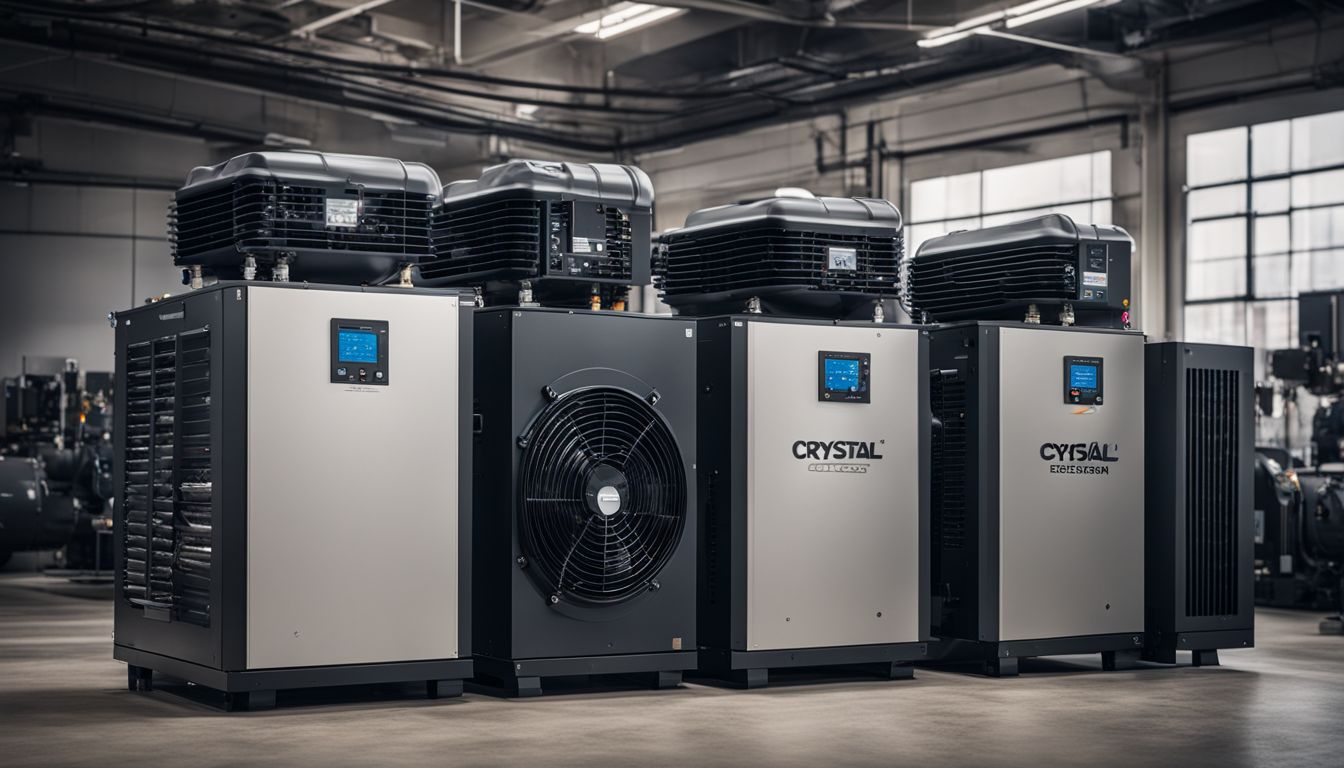
Variable-speed technologies are set to transform how we conserve energy in homes and businesses. As these systems become smarter and more integrated, they will be crucial in automating energy savings.
Factories that use large motors for pumps or electric drives can expect sizeable cuts in power consumption with variable speed applications adjusting output to demand. Households too will benefit as appliances like refrigerators, dishwashers, and HVAC systems operate more efficiently through precise speed control.
The push for greener, more sustainable practices is accelerating the adoption of these technologies. Government incentives often support renovations that include energy-efficient upgrades such as variable-speed compressors.
Companies are developing advanced electronically commutated motors tailored for domestic refrigeration and other household appliances with impressive growth rates predicted in renewable energy sectors.
This trend points towards an era where conserving power becomes effortless and seamlessly integrated into our daily lives – all thanks to the evolving landscape of variable-speed technology.
Conclusion
In the quest for a greener future, variable-speed compressors stand out as game-changers. They empower businesses to achieve remarkable energy savings and sustainability. With advanced technologies driving efficiency, these compressors are crucial in shaping an eco-friendlier industrial landscape.
Companies investing in such innovations reap not only environmental rewards but also significant financial benefits. Embracing this evolution in compressor technology is key to unlocking a more energy-conscious tomorrow.
Discover how strategic nighttime cooling can further optimise your energy savings with variable-speed compressors by reading our detailed article here.
FAQs
1. What is a variable-speed compressor and how does it save energy?
A variable-speed compressor can adjust its speed to match the demand for air or refrigeration, leading to greater energy efficiency in HVAC systems and lower electricity bills.
2. Can upgrading my air compressor to one with VSD technology improve my home’s energy use?
Yes, by installing a VSD (Variable Speed Drive) air compressor, you won’t waste energy like traditional compressors do, as it only uses power when needed.
3. Are there any laws encouraging using more efficient appliances like variable-speed compressors?
The Energy Policy Act of 2005 encourages using products that reduce energy inefficiency – like those with an ENERGY STAR label – which includes some types of variable-speed compressors.
4. How do I know if my household items are good for saving on electricity?
Energy-efficient items such as LED lighting, induction hobs over stovetops and modern freezers with better insulation help cut down your electricity usage significantly.
5. Besides changing appliances, how else can I discover ways to save on my home’s energy costs?
Conducting an energy audit can reveal areas where your home loses heat or wastes power, guiding you towards upgrades like adding inverters or recycling old electric motors for improved savings on your utility expenses.